 EN
EN

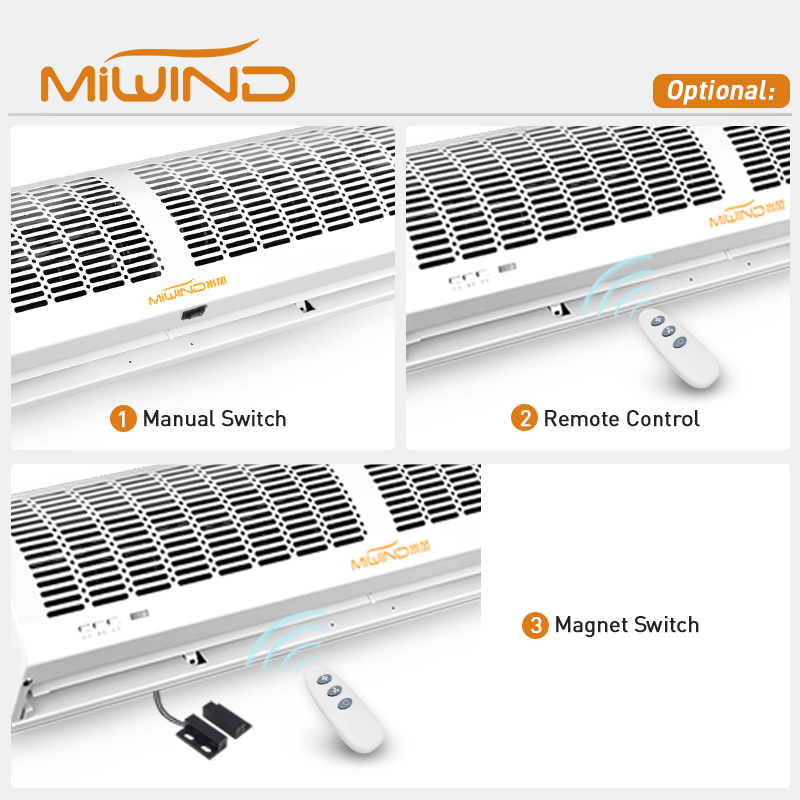
Գործարանների վարչավարները մեծացող ճնշման տակ են գտնվում՝ պահպանելով հաճախորդների համար հարմարավետ ներքին միջավայր առևտրային և արդյունաբերական շենքերում՝ միաժամանակ օպտիմալացնելով էներգային ծախսերը: Ջերմաստիճանի կարգավորման խնդիրները հատկապես սրվում են մուտքի կետերում, որտեղ վերամշակված օդը դուրս է թափվում, իսկ արտաքին օդը ներթափանցում է, ինչը հանգեցնում է էներգիայի վատնման և հարմարավետության խնդիրների, որոնք ուղղակիորեն ազդում են շահագործման արդյունավետության և շենքի օգտագործողների բավարարվածության վրա:
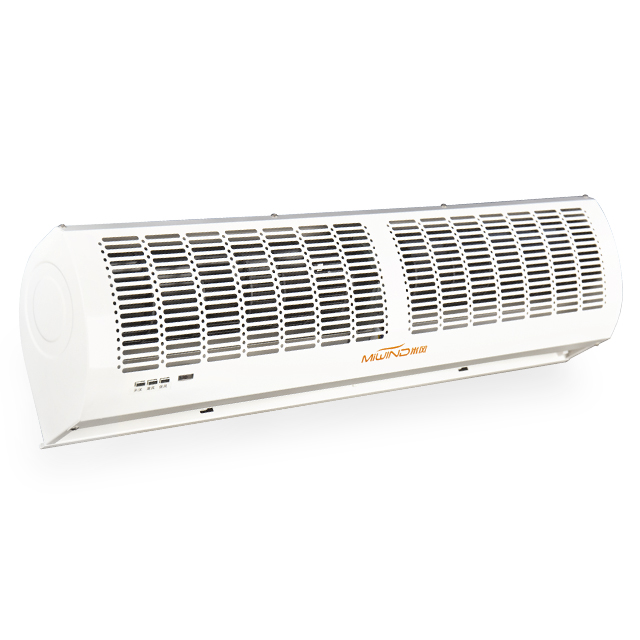
Կազմակերպության ռազմավարական իրականացումը օդային վարագույպ տեխնոլոգիան առաջացել է որպես բարդ լուծում, որը լուծում է այս ջերմային կառավարման խնդիրները՝ միաժամանակ ապահովելով չափելի ներդրումների վերադարձ: Գործարանների վարչավարները ավելի ու ավելի շատ են հասկանում, որ օդային վերապատերի համակարգերը ստեղծում են անտեսանելի արգելք, որը պահպանում է ներքին և արտաքին միջավայրերի միջև ջերմաստիճանային առանձնացումը, ապահովելով ինչպես անմիջապես զգացվող հարմարավետության առավելություններ, այնպես էլ երկարաժամկետ շահագործման առավելություններ, որոնք համապատասխանում են ժամանակակից շենքերի կառավարման նպատակներին:
Էներգային ծախսերի կառավարումը խթանում է օդային վերապատերի կիրառումը
Աճող էներգային ծախսերը ստեղծում են արդյունավետության լուծումների նկատմամբ արտակարգ անհրաժեշտություն
Առևտրային հաստատությունների վարչավարները դիմակայում են աճող էներգիայի ծախսերին, որոնք ուղղակիորեն ազդում են շահագործման բյուջեների և շահույթի ցուցանիշների վրա: Երբ մուտքի դռները հաճախ բաց են մնում, ավանդական տաքացման և սառեցման համակարգերը աշխատում են լրացուցիչ ժամանակ, ինչի արդյունքում պահպանվող օդը դուրս է գալիս, իսկ օդի տաքացման, սառեցման և օդի փոխանակման (HVAC) սարքավորումները ստիպված են հատուկ ջանքեր գործադրել ջերմաստիճանի կորուստների համար հատուկ հարմարվելու համար: Օդային վերապատյանը ստեղծում է արդյունավետ ջերմային արգելապատ, որը մինչև 80 % նվազեցնում է շենքերի մուտքերում այդ էներգիայի վատնումը:
Տնտեսական ազդեցությունը հատկապես մեծ է բարձր հաճախականությամբ շահագործվող հաստատություններում, ինչպես օրինակ՝ մանրածախ խանութներում, պահեստներում և արտադրական ձեռնարկություններում: Յուրաքանչյուր անգամ, երբ դռները բացվում են առանց օդային վերապատյանի պաշտպանության, արժեքավոր պահպանվող օդը դուրս է գալիս, իսկ արտաքին չպահպանված օդը ներխուժում է ներս, ինչի արդյունքում առաջանում են ջերմաստիճանի տատանումներ, որոնք պահանջում են անմիջապես HVAC համակարգի արձագանք: Այս անընդհատ հարմարվելու ցիկլը մեծացնում է էներգիայի սպառումը և արագացնում սարքավորումների մաշվելը:
Ժամանակակից շենքերի վարչավարները մոտիկից հետևում են էներգիայի օգտագործման ցուցանիշներին և հասկանում, որ օդային վերապատերի տեխնոլոգիան ապահովում է քանակական խնայողություններ, որոնք բարելավում են կազմակերպության ֆինանսական արդյունքները: Օդային վերապատերի համակարգերի սկզբնական ներդրումը սովորաբար վերադառնում է 12–18 ամսվա ընթացքում՝ նվազեցված տաքացման և սառեցման ծախսերի շնորհիվ, ինչը դարձնում է այն գրավիչ կապիտալ ծախս բյուջետային սահմանափակումներ ունեցող կազմակերպությունների համար:
Սառեցման և տաքացման համակարգերի պաշտպանություն և երկարատևության առավելություններ
Օդային վերապատերի տեղադրումը նվազեցնում է գոյություն ունեցող սառեցման և տաքացման համակարգերի շահագործման ծանրաբեռնվածությունը՝ ապահովելով ներսում ավելի կայուն ջերմաստիճաններ: Երբ տաքացման և սառեցման սարքավորումները աշխատում են կայուն ջերմաստիճանային սահմաններում՝ այլ ուղղությամբ չվերահսկվող ջերմային կորուստների համար անընդհատ հարմարվելու փոխարեն, մեխանիկական լարվածությունը նվազում է, իսկ համակարգի աշխատանքային ժամկետը երկարանում: Այս պաշտպանությունը հանգեցնում է նվազած սպասարկման ծախսերի և կապիտալ փոխարինման ծախսերի հետաձգման:
Օդային վերապատյանի կողմից ապահովված ջերմային բաժանումը թույլ է տալիս օդի կլիմայավորման և տաքացման համակարգերին ավելի արդյունավետ աշխատել՝ պահպանելով նախատեսված ջերմաստիճանի սահմանային արժեքները՝ առանց չափից շատ միացումների և անջատումների: Հաստատությունների վարչավարները գնահատում են այս շահագործման կայունությունը, քանի որ դա նվազեցնում է արտակարգ սպասարկման կանչերի քանակը և պլանավարված չլինող սպասարկման միջամտությունները, որոնք խաթարում են բիզնեսի գործունեությունը և լարում են սպասարկման բյուջեն:
Առևտրային նշանակության օդային վերապատյանի համակարգերի մասնագիտական տեղադրումը հանգեցնում է օդի կլիմայավորման և տաքացման համակարգերի աշխատանքի ցուցանիշների չափելի բարելավման: Հաստատությունների վարչավարները կարող են փաստաթղթավորել աշխատանքի ժամերի նվազումը, գագաթնային պահանջարկի վճարների իջեցումը և շենքի ամբողջ մակերեսով ջերմաստիճանի համասեռության բարելավումը, ինչը շենքի սեփականատերերին և գործադիր ստակհոլդերներին տրամաբանական ապացույցներ է տրամադրում շահագործման բարելավման մասին:
Բնակեցվածների հարմարավետության պահանջները ազդում են տեխնոլոգիայի ընտրության վրա
Աշխատակիցների արտադրողականության և բավարարվածության հարցեր
Աշխատավայրի հարմարավետությունը ուղղակիորեն ազդում է աշխատակիցների արտադրողականության, առկայության և աշխատանքի նկատմամբ բավարարվածության մակարդակի վրա, որոնք շենքերի վարչավարները պետք է պահպանեն՝ աջակցելու կազմակերպության նպատակներին: Շենքի մուտքերի մոտ ջերմաստիճանի անհամաստիճանությունները ստեղծում են անհարմար աշխատանքային պայմաններ, որոնք կարող են հանգեցնել աշխատակիցների բողոքների և հարակից աշխատանքային գոտիներում արդյունավետության նվազման: Օդային վերապատյանը վերացնում է այս ջերմային հարմարավետության խնդիրները՝ պահպանելով համաստիճան ջերմաստիճաններ նույնիսկ բարձր հաճախականությամբ շարժման ժամանակ:
Ժամանակակից օդային պատնեշի տեխնոլոգիան աշխատում է անձայն՝ միաժամանակ ապահովելով արդյունավետ ջերմաստիճանային բաժանում, որը երաշխավորում է, որ հարմարավետության բարելավումները չեն ներմուծում աղմուկի խոչընդոտներ, որոնք կարող են բացասաբար ազդել աշխատանքային միջավայրերի վրա: Նախագծային կառավարիչները գնահատում են ֆունկցիոնալ արդյունավետության և օգտագործողների ընդունելիության միջև այս հավասարակշռությունը՝ ընտրելով կլիմայական կառավարման լուծումներ գրասենյակային շենքերի և արդյունաբերական օբյեկտների համար:
Սառը հոսանքների և տաք գոտիների վերացումը մուտքի մոտ ստեղծում է ավելի շահագործելի տարածք շենքերի ներսում, ինչը թույլ է տալիս շենքերի կառավարիչներին օպտիմալացնել հարկային պլանները և աշխատատեղերի օգտագործումը: Այն տարածքները, որոնք նախկինում անհարմար էին ջերմաստիճանի տատանումների պատճառով, դառնում են հնարավոր աշխատատեղերի, պահեստավորման կամ հաճախորդների սպասարկման ֆունկցիաների համար, ինչը մաքսիմալացնում է հասանելի քառակուսի մետրերի արժեքը:
Հաճախորդների փորձառությունը և բիզնեսի գործողությունների ազդեցությունը
Մանրածախ և հյուրանոցային շենքերի կառավարիչները գիտակցում են, որ հաճախորդների հարմարավետությունը ուղղակիորեն ազդում է վաճառքների ցուցանիշների և բրենդի ընկալման վրա: Օդային վերապատերի համակարգերը պահպանում են հյուրընկալող մուտքի միջավայրեր, որոնք խթանում են հաճախորդների մուտքը՝ միաժամանակ պաշտպանելով ներքին միկրոկլիմայի պայմանները: Այս անտեսանելի արգելքը կանխում է անհարմար ջերմաստիճանային փոփոխությունները, որոնք կարող են խանգարել հաճախորդների մուտքը կամ ստիպել նրանց վաղաժամկետ լքել շենքը:
Ռեստորանների և սննդի մատակարարման հաստատությունների վարչության ղեկավարները շահում են օդային վերապատման տեխնոլոգիայից, որը պահպանում է սեղանավորման տարածքներում հաստատուն ջերմաստիճանը՝ միաժամանակ հնարավորություն տալով հաճախակի դռների բացումների համար առաքումների և հաճախորդների շարժման համար: Այս ջերմաստիճանային կայունությունը բարելավում է սեղանավորման փորձառությունը՝ միաժամանակ աջակցելով սննդի անվտանգության պահանջներին, որոնք կախված են ճիշտ միջավայրի վերահսկման վրա:
Ժամանակակից օդային վերապատման համակարգերի մասնագիտական տեսքը և լռությամբ աշխատելու հնարավորությունը լավ են համատեղվում շենքի էստետիկայի հետ՝ առանց ստեղծելու տեսողական կամ լսողական խանգարումներ, որոնք կարող են վատացնել հաճախորդների փորձը: Համալիրների վարչավարները կարող են իրականացնել արդյունավետ ջերմաստիճանային վերահսկման լուծումներ, որոնք գրեթե անտեսանելի են շենքի օգտագործողների և այցելուների համար:
Կարգավորող մարմինների համապատասխանությունը և շենքերի կառուցման կանոնակարգերի պահանջները
Էներգախնայողության ստանդարտները և կանաչ շենքերի սերտիֆիկացման համակարգերը
Շենքերի կառուցման կանոնակարգերը ավելի ու ավելի շեշտադրում են էներգախնայողության պահանջները, որոնք շենքերի շահագործման թույլտվությունները պահպանելու և «կանաչ» շենքերի սերտիֆիկացիա ստանալու համար պետք է բավարարի շենքերի կառավարիչները: Օդային վերապատման տեխնոլոգիան օգնում է շենքերին համապատասխանել ASHRAE-ի ստանդարտներին և LEED-ի պահանջներին՝ ցուցադրելով չափելի էներգախնայողական միջոցառումներ, որոնք նվազեցնում են շենքի ընդհանուր էներգասպառումը:
Ժամանակակից օդային վարագույպ համակարգերի փաստաթղթավորման հնարավորությունները շենքերի կառավարիչներին տրամադրում են համապատասխանության մասին զեկուցումներ կազմելու և սերտիֆիկացիայի հայտեր ներկայացնելու համար անհրաժեշտ էներգասպառման տվյալները: Այս համակարգերը հաճախ ներառում են մոնիտորինգի հնարավորություններ, որոնք հետևում են էներգախնայողությանը և շահագործման արդյունավետությանը՝ աջակցելով տարբեր շրջակա միջավայրի ստանդարտների համար նախատեսված փաստաթղթավորման պահանջների կատարմանը:
Նետ-զրո էներգիայի նպատակների հասնելու ձգտմամբ աշխատող շենքերի վարչավարները գնահատում են օդային վերապատերի համակարգերի ներդրումը շենքի ընդհանուր արդյունավետության մեջ՝ առանց մեծ կառուցվածքային փոփոխությունների կամ օդային կլիմայավարման համակարգերի փոխարինման անհրաժեշտության։ Այս տեխնոլոգիան ապահովում է իրագործելի ճանապարհ էներգիայի վերաբերյալ գնահատականների բարելավման համար, որոնք բավարարում են ինչպես կարգավորող պահանջները, այնպես էլ կորպորատիվ կայուն զարգացման նպատակները։
Ներքին օդի որակը և առողջապահական կոդերի պահպանումը
Ժամանակակից շենքերի վարչավարումը ներառում է ներքին օդի որակի ստանդարտները պահպանելու պարտականությունը՝ շենքի օգտագործողների առողջությունը պաշտպանելու և կարգավորող պահանջները բավարարելու նպատակով։ Օդային վերապատերի համակարգերը օգնում են պահպանել շենքի շրջապատի ամբողջականությունը, որը աջակցում է ճիշտ օդափոխման և օդի մաքրման համակարգերի արդյունավետությանը։ Անվերահսկելի օդի ներթափանցման կանխարգելմամբ այս համակարգերը թույլ են տալիս օդային կլիմայավարման սարքավորումներին ավելի արդյունավետ պահպանել նախագծված օդի որակի մակարդակները։
Բժշկական և լաբորատորիայի համալիրների վարչությունները հենվում են օդային վերապատման տեխնոլոգիայի վրա՝ սպասարկելու վարակների կանխարգելման և աղտոտման վերահսկման համար անհրաժեշտ մասնագիտացված միջավայրի վերահսկման համար: Այս համակարգերի կողմից ապահովվող ջերմային առանձնացումը լ допլեմենտար է այլ օդի որակի միջոցներին՝ պահպանելով ճնշման տարբերությունները և կանխելով անցանկալի օդի տեղափոխումը տարբեր մաքրության պահանջներ ունեցող տարածքների միջև:
Սննդամթերքի մշակման և դեղագործական համալիրների վարչությունները օգտագործում են օդային վերապատման համակարգեր՝ աջակցելու մաքուր սենյակների սահմանադրություններին և պահպանելու FDA-ի և այլ կարգավորող մարմինների կողմից սահմանված միջավայրային առանձնացումը: Այս կիրառումները պահանջում են ճշգրիտ միջավայրային վերահսկում, որը օդային վերապատման տեխնոլոգիան օգնում է պահպանել՝ միաժամանակ հաշվի առնելով անհրաժեշտ անձնակազմի և նյութերի տեղափոխումը վերահսկվող գոտիների միջև:
Տեղադրման ճկունություն և սպասարկման առավելություններ
Առանց կարևոր փոփոխությունների առկա շենքերի վերակառուցում
Գործարանների վարչավարները գնահատում են այն փաստը, որ օդային վերապատերը կարող են տեղադրվել գոյություն ունեցող շենքերում՝ առանց կառուցվածքային փոփոխությունների կամ երկարատև անջատումների, որոնք կխաթարեին բիզնես-գործունեությունը: Շատ առևտրային օդային վերապատերը հեշտությամբ մountվում են դռների վերևում՝ օգտագործելով ստանդարտ էլեկտրական միացումներ և նվազագույն կառուցվածքային աջակցություն, ինչը դարձնում է դրանց տեղադրումը հեշտ, նաև հին շենքերում, որտեղ առկա է սահմանափակ առաստաղի տարածք:
Օդային վերապատերի տեղադրման տարբերակների ճկունությունը հնարավորություն է տալիս գործարանների վարչավարներին լուծել ջերմաստիճանի կարգավորման խնդիրները տարբեր ճարտարապետական կառուցվածքներում, այդ թվում՝ ստանդարտ դռներում, բեռնաթափման վայրերում և մեծ բացվածքներում, ինչպես օրինակ՝ ինքնաթիռների համար նախատեսված շეնքերում կամ պահեստների մուտքներում: Այս հարմարվողականությունը օդային վերապատերի տեխնոլոգիան հարմարեցնում է տարբեր տեսակի գործարանների և շահագործման պահանջների համար:
Մասնագիտական տեղադրման թիմերը սովորաբար կարող են ավարտել օդային վերապատերի նախագծերը աշխատաժամերից դուրս կամ շաբաթավերջերին, ինչը նվազագույնի է հասցնում բիզնեսի սովորական գործունեության վրա ունեցած խաթարումը: Շենքերի վարչավարները գնահատում են այս իրականացման մոտեցումը, քանի որ այն նրանց հնարավորություն է տալիս անմիջապես ստանալ էներգիայի խնայողություն՝ առանց ազդելու արտադրողականության կամ հաճախորդներին մատուցվող սպասարկման վրա բարձր բեռնվածության ժամանակ:
Ցածր սպասարկման պահանջներ և շահագործման հավաստիություն
Ժամանակակից օդային վերապատերի համակարգերը համեմատաբար փոքր սպասարկում են պահանջում բարդ մեխանիկական համակարգերի համեմատ, ինչը դրանք գրավիչ է դարձնում շենքերի վարչավարների համար, ովքեր ստիպված են առավելագույնի հասցնել սարքավորումների աշխատաժամերը՝ միաժամանակ վերահսկելով սպասարկման ծախսերը: Պարբերական սպասարկումը սովորաբար ներառում է պարզ ֆիլտրների մաքրում կամ փոխարինում և օդափոխիչի մասերի պարբերական ստուգում, որոնք կարող են կատարվել ներքին սպասարկման աշխատակիցների կողմից՝ առանց մասնագիտական վերապատրաստման:
Առևտրային նշանակության օդային վերապատերի հզոր կառուցվածքը ապահովում է հուսալի գործառույթ բարդ պայմաններում, այդ թվում՝ արտադրական համալիրներում, սառնարանային պահեստներում և բարձր հաճախականությամբ առևտրային օբյեկտներում: Շենքերի վարչավարները շահում են այն սարքավորումներից, որոնք նախագծված են անընդհատ աշխատելու համար՝ առանց հաճախակի սպասարկման ընդհատումների կամ արդյունքների վատացման, որոնք կվտանգեին ջերմաստիճանի վերահսկման արդյունավետությունը:
Համարյա օդային վերապատերի արտադրողների երաշխիքային ծածկույթը և սպասարկման աջակցությունը շենքերի վարչավարներին տալիս են վստահություն երկարաժամկետ համակարգի հուսալիության և արդյունքների վերաբերյալ: Մասնագիտական սպասարկման ցանցերը երաշխավորում են, որ տեխնիկական աջակցությունը և փոխարինման մասերը հասանելի կլինեն սարքավորումների ամբողջ օգտագործման ժամանակահատվածում, ինչը աջակցում է կանխատեսելի սպասարկման պլանավորմանը և բյուջետային կանխատեսումներին:
Հաճախադեպ տրվող հարցեր
Որքա՞ն էներգիա կարող է խնայել օդային վերապատը՝ համեմատած դռները մշտապես փակ պահելու հետ:
Օդային վերապատերը սովորաբար նվազեցնում են էներգիայի կորուստը 70–80 %-ով՝ համեմատած բաց դռների հետ, սակայն չեն կարող համեմատվել մշտապես փակ դռների էֆեկտիվության հետ: Այնուամենայնիվ, այն օբյեկտների համար, որտեղ անհրաժեշտ է հաճախակի մուտք գործել, օդային վերապատերը ապահովում են գործառնական հասանելիության և էներգախնայողության միջև օպտիմալ հավասարակշռություն: Էներգախնայողությունը տատանվում է՝ կախված եղանակային պայմաններից, դռների օգտագործման հաճախականությունից և շենքի բնութագրերից, սակայն մեծամասնության շենքերի վարչավարները պաշտպանված մուտքերում տեսնում են տաքացման և սառեցման ծախսերի 15–30 %-անոց նվազեցում:
Ի՞նչ չափսի օդային վերապատ եմ պետք ունենա տարբեր տեսակի առևտրային դռների համար:
Օդային վերապատերակի չափսերը կախված են դռան բարձրությունից, լայնությունից և սպասվող օդի ներհոսման ճնշումից: Ստանդարտ առևտրային մուտքերը սովորաբար պահանջում են սարքեր, որոնց օդի արագությունը 500–1000 ոտն/րոպե է, իսկ ծածկման լայնությունը համապատասխանում է դռան բացվածքին: Բեռնաթափման վայրերի կիրառման համար անհրաժեշտ են ավելի հզոր սարքեր՝ բարձրության և քամու ազդեցության պատճառով, իսկ կլիմայական գոտիների միջև տեղակայված ներքին դռների համար կարող են օգտագործվել ավելի փոքր բնակարանային կարգի սարքեր: Մասնագիտական գնահատականը հաշվի է առնում շենքի ճնշումը, արտաքին քամու պայմանները և ջերմաստիճանային տարբերության պահանջները:
Կարո՞ղ են օդային վերապատերակները արդյունավետ աշխատել ծայրահեղ եղանակային պայմաններում:
Բարձր կատարողականությամբ օդային վերապատերը արդյունավետ են աշխատում -40°F–ից մինչև 120°F ջերմաստիճանային միջակայքում, ինչը դրանք հարմարեցնում է մեծամասնության առևտրային կիրառումների համար, այդ թվում՝ սառը պահեստավորման համալիրների և անապատային կլիմայական գոտիների համար: Ջերմացված օդային վերապատերի մոդելները ձմեռային պայմաններում ավելացված ջերմային պաշտպանություն են ապահովում՝ տաքացնելով օդային արգելքը: 15 մղ/ժ-ից բարձր քամու պայմանները կարող են նվազեցնել արդյունավետությունը, սակայն ճիշտ տեղադրումը և սարքի ընտրությունը կարող են ապահովել արդյունավետ աշխատանք դժվար եղանակային պայմաններում:
Ինչքա՞ն ժամանակ են առևտրային օդային վերապատերը սովորաբար աշխատում մինչև փոխարինման անհրաժեշտությունը:
Բարձրորակ առևտրային օդային վերապատերը հուսալիորեն են աշխատում 10–15 տարի, եթե ապահովվի ճիշտ սպասարկում, ինչը համեմատելի է այլ առևտրային օդա conditioning և ջերմային սարքավորումների հետ: Պտտիչների շարժիչները և էլեկտրական բաղադրիչները կարող են պահանջել սպասարկում կամ փոխարինում այդ ժամանակահատվածում, սակայն ամբողջ համակարգի կառուցվածքը և կապսուլը սովորաբար տևում են տասնամյակներ: Շենքի վարչավարները կարող են երկարացնել սարքավորումների ծառայության ժամկետը՝ կատարելով կանոնավոր ֆիլտրների սպասարկում, տարեկան ստուգումներ և արագ արձագանքելով ցանկացած աշխատանքային խնդրի:
Բովանդակության ցուցակ
- Էներգային ծախսերի կառավարումը խթանում է օդային վերապատերի կիրառումը
- Բնակեցվածների հարմարավետության պահանջները ազդում են տեխնոլոգիայի ընտրության վրա
- Կարգավորող մարմինների համապատասխանությունը և շենքերի կառուցման կանոնակարգերի պահանջները
- Տեղադրման ճկունություն և սպասարկման առավելություններ
-
Հաճախադեպ տրվող հարցեր
- Որքա՞ն էներգիա կարող է խնայել օդային վերապատը՝ համեմատած դռները մշտապես փակ պահելու հետ:
- Ի՞նչ չափսի օդային վերապատ եմ պետք ունենա տարբեր տեսակի առևտրային դռների համար:
- Կարո՞ղ են օդային վերապատերակները արդյունավետ աշխատել ծայրահեղ եղանակային պայմաններում:
- Ինչքա՞ն ժամանակ են առևտրային օդային վերապատերը սովորաբար աշխատում մինչև փոխարինման անհրաժեշտությունը: