 EN
EN

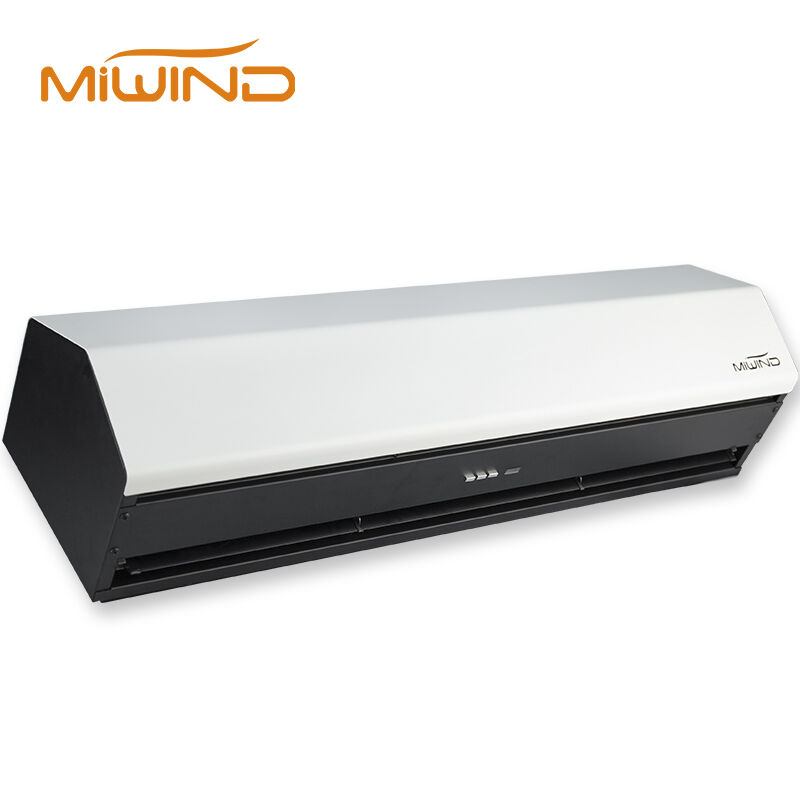
Industrial and logistics facilities require sophisticated environmental control systems to maintain operational efficiency, protect inventory, and ensure worker safety. Air curtain solutions have become essential equipment in these environments, creating invisible barriers that control airflow, temperature, and contamination while maintaining accessibility for personnel and equipment movement. These systems operate by generating high-velocity air streams that form protective barriers across openings, effectively separating different environmental zones without physical obstructions.
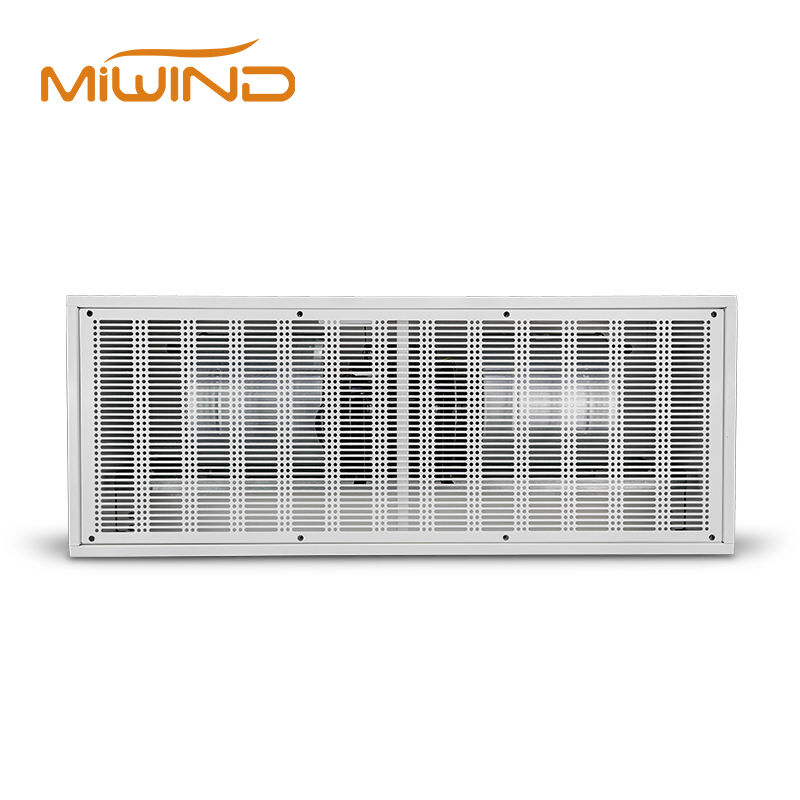
The deployment of air curtain technology in industrial and logistics settings addresses multiple operational challenges simultaneously. From maintaining temperature-controlled environments in cold storage facilities to preventing contamination in pharmaceutical warehouses, these systems provide versatile solutions that adapt to diverse facility requirements. Understanding how air curtain applications function across different industrial contexts helps facility managers optimize their environmental control strategies while reducing energy costs and improving overall operational efficiency.
Primary Environmental Control Applications
Temperature Separation and Energy Conservation
Air curtain systems excel at maintaining temperature differentials between adjacent spaces in industrial facilities. When installed at doorways connecting heated warehouses to loading docks, these systems prevent heated air from escaping during frequent door openings. The air curtain creates a thermal barrier that significantly reduces heat loss, allowing facilities to maintain comfortable working conditions while minimizing energy consumption for heating systems.
In refrigerated storage and cold chain logistics facilities, air curtain technology provides critical temperature maintenance capabilities. These systems prevent warm air infiltration when personnel enter or exit cold storage areas, helping maintain product integrity and reducing the workload on refrigeration equipment. The continuous air barrier ensures that temperature-sensitive goods remain within specified ranges even during high-traffic periods.
Manufacturing facilities with multiple climate zones benefit from air curtain installations that separate production areas with different temperature requirements. For example, facilities producing temperature-sensitive electronics can use air curtain systems to isolate clean rooms from adjacent manufacturing floors, maintaining precise environmental conditions without impeding workflow or accessibility.
Contamination Prevention and Air Quality Management
Industrial facilities handling sensitive materials or products require stringent contamination control measures. Air curtain systems provide effective barriers against dust, debris, and airborne contaminants that could compromise product quality or worker health. These systems create positive air pressure differentials that prevent unwanted particles from entering clean production areas or storage zones.
Food processing and pharmaceutical logistics facilities utilize air curtain technology to maintain hygienically controlled environments. The systems prevent insects, dust, and other contaminants from entering processing or storage areas while maintaining easy access for personnel and equipment. This application proves particularly valuable in facilities requiring frequent cleaning and sanitization procedures.
Chemical processing and hazardous material handling facilities deploy air curtain systems to contain potentially harmful vapors or particles within designated areas. These installations help maintain worker safety by preventing the spread of airborne contaminants to adjacent work zones, supporting overall facility safety protocols and regulatory compliance requirements.
Logistics and Distribution Center Integration
Loading Dock Optimization
Loading dock areas represent critical transition points in logistics facilities where external environmental conditions directly impact internal operations. Air curtain installations at dock doors create effective barriers against weather elements, preventing rain, snow, and wind from entering the facility during loading and unloading operations. This protection helps maintain dry storage conditions and prevents weather-related delays in shipping schedules.
High-volume distribution centers benefit from air curtain systems that maintain consistent internal temperatures despite frequent dock door operations. These systems reduce the thermal shock experienced by workers transitioning between outdoor and indoor environments, improving worker comfort and productivity during peak shipping periods.
Automated sorting and packaging facilities require dust-free environments to ensure proper equipment operation and package integrity. Air curtain systems installed at critical transition points prevent dust and debris from contaminating automated systems, reducing maintenance requirements and minimizing packaging errors that could affect customer satisfaction.
Cross-Docking and Material Flow Control
Cross-docking operations require seamless material flow between incoming and outgoing shipments while maintaining environmental control. Air curtain systems facilitate this process by creating invisible barriers that separate different operational zones without impeding the movement of forklifts, conveyor systems, or personnel. This capability proves essential in facilities handling time-sensitive shipments or temperature-controlled products.
Multi-tenant logistics facilities use air curtain technology to create distinct environmental zones for different clients or product categories. These systems allow facilities to maintain separate climate conditions for various tenants while sharing common infrastructure and access routes, maximizing facility utilization and operational flexibility.
Just-in-time manufacturing support requires precise coordination between logistics and production areas. Air curtain installations enable smooth material flow between warehouses and production floors while maintaining the environmental conditions necessary for quality manufacturing processes, supporting lean production methodologies and inventory management strategies.
Industrial Manufacturing Integration
Production Floor Environmental Management
Manufacturing facilities with multiple production lines often require different environmental conditions for various processes. Air curtain systems enable facilities to create distinct climate zones without constructing permanent barriers that would impede material flow or equipment movement. These systems support flexible manufacturing layouts while maintaining precise environmental control for quality-sensitive production processes.
Paint booths, coating operations, and other finishing processes benefit from air curtain installations that prevent overspray and fumes from contaminating adjacent work areas. These systems create containment zones that improve worker safety and product quality while maintaining accessibility for material handling and quality inspection activities.
Heat-generating manufacturing processes require effective thermal management to maintain worker comfort and equipment performance. Air curtain systems help isolate heat sources from general work areas, allowing facilities to provide targeted cooling where needed while maintaining overall energy efficiency throughout the manufacturing floor.
Clean Room and Controlled Environment Applications
Semiconductor manufacturing, biotechnology production, and precision assembly operations require ultra-clean environments with strict contamination control. Air curtain systems provide additional layers of protection at entry points to clean rooms and controlled environments, working in conjunction with existing HVAC systems to maintain specified cleanliness levels and environmental conditions.
Research and development facilities utilize air curtain technology to isolate experimental areas from general laboratory spaces. These systems prevent cross-contamination between different research projects while maintaining the accessibility required for equipment installation and sample transportation activities.
Quality control and testing laboratories deploy air curtain systems to maintain stable environmental conditions during sensitive measurement and analysis procedures. These installations prevent external air movements from affecting precision instruments while allowing normal facility operations to continue without disruption to testing protocols.
Energy Efficiency and Operational Benefits
HVAC System Integration and Load Reduction
Air curtain systems significantly reduce the workload on primary HVAC equipment by minimizing unwanted air exchange between different zones. This integration allows facility managers to optimize heating and cooling system operation, reducing energy consumption while maintaining desired environmental conditions throughout the facility. The systems work synergistically with existing climate control infrastructure to improve overall energy efficiency.
Facilities with high door traffic benefit from substantial energy savings when air curtain systems reduce the thermal losses associated with frequent openings. These savings compound over time, particularly in facilities operating around-the-clock or during extreme weather conditions. The systems pay for themselves through reduced utility costs while improving operational comfort and productivity.
Peak demand reduction represents another significant benefit of air curtain integration. By reducing the sudden thermal loads created by door openings, these systems help facilities avoid peak demand charges and reduce strain on electrical systems during high-traffic periods. This capability proves particularly valuable for facilities operating under time-of-use utility rate structures.
Maintenance and Operational Flexibility
Air curtain systems require minimal maintenance compared to alternative environmental control solutions such as vestibules or physical barriers. The systems operate continuously without moving parts that contact personnel or equipment, reducing wear and maintenance requirements while providing consistent performance over extended operational periods. This reliability supports predictable maintenance scheduling and operational planning.
Installation flexibility allows facilities to retrofit air curtain systems into existing operations without major structural modifications. The systems mount above doorways and openings, preserving valuable floor space while providing immediate environmental control benefits. This capability enables facilities to upgrade their environmental control capabilities without disrupting ongoing operations or requiring extensive facility modifications.
Operational adjustability ensures that air curtain systems can adapt to changing facility requirements or seasonal variations. Most industrial air curtain units include variable speed controls and directional adjustments that allow facility managers to optimize performance for specific operating conditions, weather patterns, or workflow changes throughout the facility operational cycle.
FAQ
What types of industrial facilities benefit most from air curtain installations?
Food processing plants, pharmaceutical facilities, cold storage warehouses, and manufacturing facilities with clean room requirements benefit most from air curtain installations. These facilities require strict environmental control while maintaining high traffic flow through doorways and openings. Distribution centers with loading docks and cross-docking operations also see significant benefits from air curtain technology in maintaining temperature control and preventing contamination during material handling activities.
How do air curtain systems integrate with existing HVAC equipment in industrial facilities?
Air curtain systems work complementarily with existing HVAC equipment by reducing the load on primary heating and cooling systems. They create barriers that prevent conditioned air from escaping through openings, allowing HVAC systems to operate more efficiently. Most air curtain units can be integrated with building management systems for coordinated operation, and some models include heating elements that work with facility heating systems to provide additional climate control capabilities.
What are the typical energy savings achieved by implementing air curtain solutions in logistics facilities?
Energy savings from air curtain installations typically range from 20% to 40% in heating costs and 15% to 30% in cooling costs, depending on facility size, door traffic frequency, and climate conditions. Loading dock installations often achieve the highest savings due to frequent door operations and direct exposure to external weather conditions. The actual savings depend on factors such as local climate, facility insulation, existing HVAC efficiency, and operational patterns throughout the year.
How are air curtain systems sized and selected for specific industrial applications?
Air curtain system sizing depends on opening dimensions, mounting height, expected wind conditions, and required air velocity to maintain effective barrier performance. Industrial applications typically require high-velocity units with sufficient air volume to overcome pressure differentials and external wind forces. Professional sizing calculations consider factors such as building height, door traffic frequency, temperature differentials, and specific contamination control requirements to ensure optimal system performance and energy efficiency.
Table of Contents
- Primary Environmental Control Applications
- Logistics and Distribution Center Integration
- Industrial Manufacturing Integration
- Energy Efficiency and Operational Benefits
-
FAQ
- What types of industrial facilities benefit most from air curtain installations?
- How do air curtain systems integrate with existing HVAC equipment in industrial facilities?
- What are the typical energy savings achieved by implementing air curtain solutions in logistics facilities?
- How are air curtain systems sized and selected for specific industrial applications?