 EN
EN

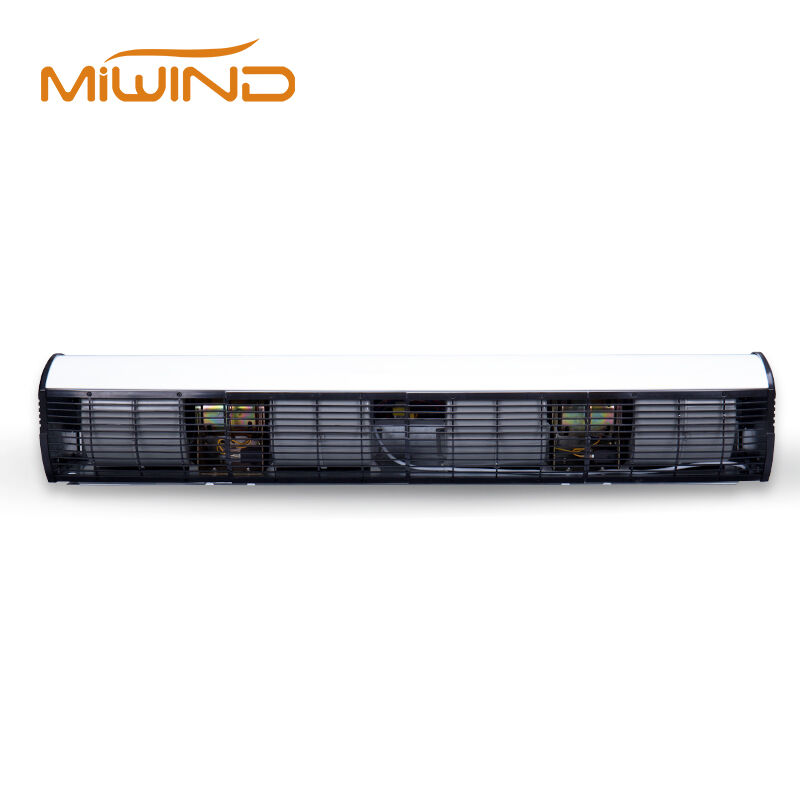
Air curtain systems have become increasingly popular in commercial facilities as building operators seek effective solutions to improve energy efficiency while maintaining comfortable indoor environments. These specialized devices create invisible barriers of moving air that separate different environmental zones, offering significant potential for reducing heating and cooling costs in retail stores, restaurants, warehouses, and office buildings.
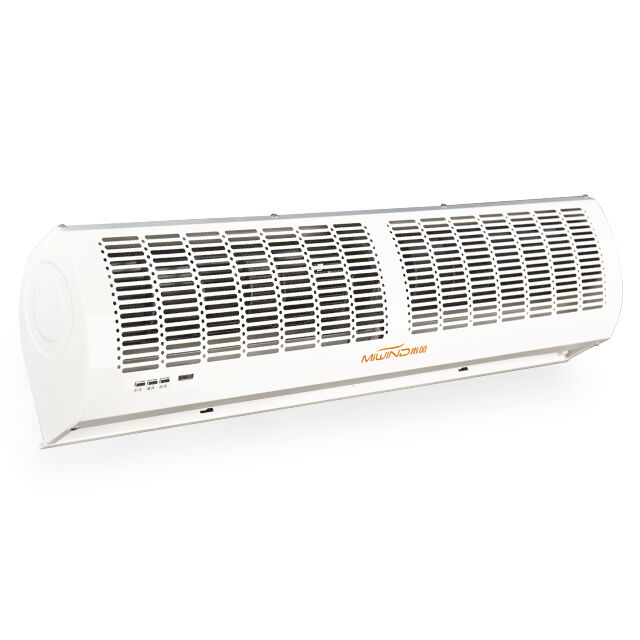
The answer is definitively yes - properly installed and operated air curtain systems can substantially improve energy efficiency in commercial spaces, with documented energy savings ranging from 15% to 40% depending on the application, climate conditions, and building characteristics. Understanding how these systems achieve these results requires examining their operational mechanisms, installation considerations, and real-world performance data across different commercial environments.
How Air Curtain Systems Create Energy Savings
Thermal Barrier Formation
An air curtain creates energy savings primarily by forming an effective thermal barrier at building entrances and openings. When positioned correctly above doorways or openings, the system generates a continuous stream of controlled air that acts as an invisible door, preventing conditioned indoor air from escaping and unconditioned outdoor air from entering. This thermal separation reduces the workload on heating, ventilation, and air conditioning systems.
The effectiveness of this thermal barrier depends on the velocity and volume of air discharged by the air curtain unit. High-performance systems can achieve air velocities of 1,000 to 2,000 feet per minute, creating sufficient momentum to maintain separation between indoor and outdoor environments even during high-traffic periods. This consistent barrier formation allows HVAC systems to operate more efficiently by maintaining stable indoor temperatures.
Infiltration Reduction Mechanisms
Air infiltration through open doorways represents one of the largest sources of energy loss in commercial buildings. During winter months, cold outdoor air entering through doorways forces heating systems to work harder to maintain comfortable indoor temperatures. Conversely, during summer months, hot humid air infiltration increases cooling loads and energy consumption.
A properly sized air curtain can reduce air infiltration by 60% to 80% compared to unprotected openings. This dramatic reduction occurs because the air curtain disrupts natural convection currents and pressure differentials that normally drive air exchange through doorways. The result is more stable indoor conditions and reduced demand on climate control systems throughout operating hours.
Commercial Applications and Energy Performance
Retail Store Environments
Retail establishments experience significant energy benefits from air curtain installations, particularly those with frequent customer traffic and multiple entrances. Large format stores, shopping centers, and convenience stores typically see the most substantial energy savings because their high-volume entrances create constant opportunities for conditioned air loss without proper protection.
Case studies from major retail chains demonstrate energy cost reductions of 20% to 35% following air curtain installations. These savings result from reduced HVAC runtime, more consistent indoor temperatures, and improved system efficiency. Additionally, retail environments benefit from improved customer comfort near entrances, which can positively impact shopping experiences and dwell times.
Restaurant and Food Service Operations
Restaurants and food service facilities face unique energy challenges due to kitchen heat loads, frequent door openings, and strict temperature control requirements for food safety. Air curtain systems provide particular value in these environments by helping maintain separate climate zones between dining areas, kitchens, and external spaces.
Food service operations typically achieve energy savings of 15% to 25% through strategic air curtain deployment. The systems help contain heated or cooled air in specific zones, reducing cross-contamination between different temperature environments. This zoning capability is especially valuable for establishments with both indoor dining areas and outdoor patios or delivery access points.
Installation and Sizing Considerations for Maximum Efficiency
Proper Unit Selection and Mounting
Achieving optimal energy efficiency from an air curtain system requires careful attention to unit selection and installation parameters. The air curtain must be properly sized for the specific opening dimensions, with coverage width matching or slightly exceeding the door opening width. Inadequate coverage creates gaps that allow air infiltration, while oversized units may consume unnecessary energy without proportional benefits.
Mounting height and angle also critically affect performance and energy efficiency. Most commercial air curtain installations require mounting heights between 8 and 12 feet above the floor, with the discharge angle adjusted to create optimal air flow patterns. Incorrect mounting can result in air flow that misses the target area or creates turbulence that reduces barrier effectiveness.
Integration with Building HVAC Systems
Energy efficiency improvements are maximized when air curtain operation is properly integrated with existing HVAC control systems. Advanced installations include temperature sensors and automatic activation controls that operate the air curtain only when doors are open or when temperature differentials exceed predetermined thresholds. This smart operation prevents unnecessary energy consumption during periods when protection is not needed.
Some commercial facilities achieve additional efficiency gains by connecting air curtain controls to building automation systems. This integration allows for coordinated operation with other energy management strategies, such as adjusting HVAC setpoints when air curtains are actively protecting openings. The result is a more comprehensive approach to building energy optimization.
Measurable Energy Savings and Return on Investment
Quantified Performance Data
Energy audits and performance monitoring studies consistently demonstrate measurable efficiency improvements from air curtain installations in commercial spaces. Independent testing by organizations such as the Air Movement and Control Association has documented energy savings that translate directly to reduced utility costs for building operators.
Typical energy savings vary by climate zone and building type, but commercial facilities in moderate climates often achieve annual energy cost reductions of $500 to $2,000 per protected opening. Buildings in extreme climates with significant heating or cooling loads may see even greater savings. These documented results provide concrete evidence that air curtain systems deliver genuine efficiency improvements rather than theoretical benefits.
Payback Period Analysis
The return on investment for commercial air curtain installations typically ranges from 12 to 36 months, depending on energy costs, climate conditions, and usage patterns. Facilities with high traffic volumes, extreme climate conditions, or elevated energy costs generally experience faster payback periods due to greater absolute savings.
Long-term financial benefits extend beyond immediate energy savings to include reduced HVAC maintenance costs, extended equipment life, and improved indoor air quality. These secondary benefits contribute to the overall economic case for air curtain implementation in commercial environments, making them attractive investments for facility managers focused on operational efficiency.
FAQ
Do air curtains work effectively in all climate conditions?
Air curtains provide energy benefits in all climate conditions, but their effectiveness varies based on temperature differentials and weather patterns. They perform exceptionally well in moderate climates and provide substantial benefits in extreme hot or cold conditions where temperature differences between indoor and outdoor environments are significant. However, proper sizing and installation become more critical in challenging climate conditions.
How much energy can a typical commercial building save with air curtains?
Commercial buildings typically achieve energy savings of 15% to 40% on heating and cooling costs related to entrance areas where air curtains are installed. The actual savings depend on factors including building size, traffic patterns, climate conditions, and existing HVAC efficiency. Larger facilities with multiple entrances and high traffic volumes generally see the greatest absolute energy reductions.
What maintenance requirements affect the energy efficiency of air curtain systems?
Regular maintenance is essential for maintaining peak energy efficiency from air curtain systems. Key maintenance tasks include cleaning air filters monthly, checking fan motor performance quarterly, and verifying proper air flow patterns annually. Neglected maintenance can reduce efficiency by 10% to 20% as restricted air flow and motor inefficiencies develop over time.
Can air curtains be retrofitted into existing commercial buildings?
Yes, air curtains are well-suited for retrofit applications in existing commercial buildings. Most installations require minimal structural modifications, typically involving mounting brackets and electrical connections. Retrofit projects often provide excellent returns on investment because they can address existing energy loss problems without requiring major building renovations or HVAC system replacements.