 EN
EN

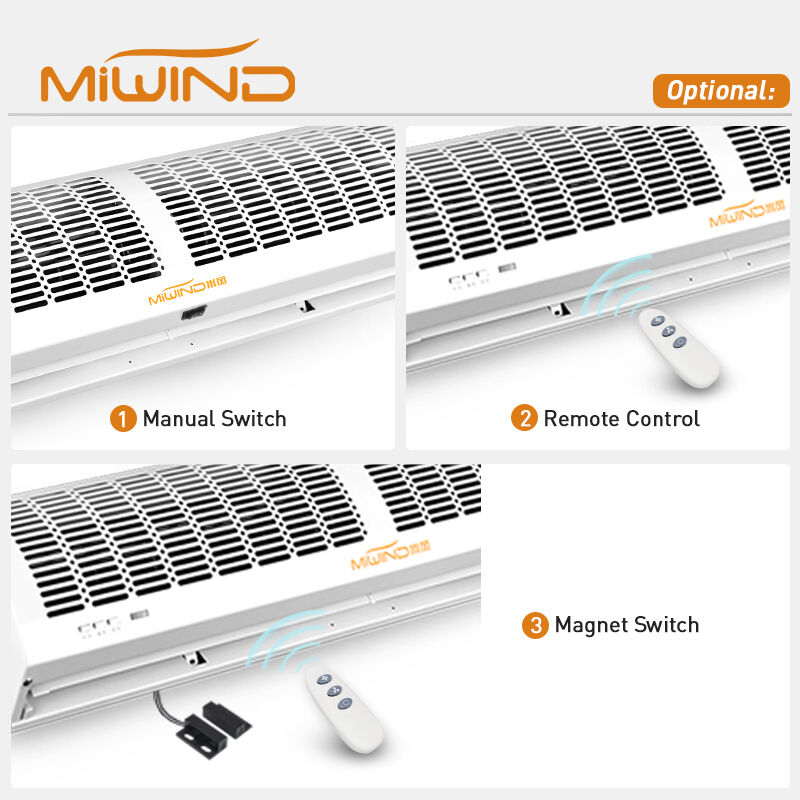
High traffic entrances present unique challenges that require specialized solutions to maintain indoor environmental quality while facilitating seamless pedestrian flow. Commercial buildings, retail centers, hospitals, and manufacturing facilities all face the critical task of balancing accessibility with energy efficiency and environmental control. Understanding the specific role that air curtain technology plays in these demanding applications becomes essential for facility managers, architects, and building engineers seeking optimal performance solutions.
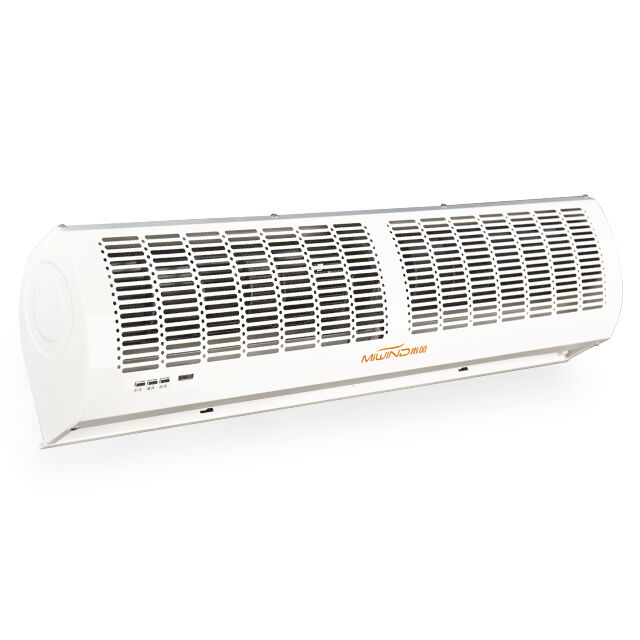
The strategic implementation of air curtain systems in high traffic environments serves multiple critical functions that extend far beyond simple air movement. These sophisticated devices create invisible barriers that protect interior spaces from external contaminants, regulate temperature differentials, and maintain pressure relationships while allowing unrestricted human passage. The technology's ability to operate continuously during peak traffic periods makes it particularly valuable in applications where traditional door systems would prove impractical or insufficient for maintaining environmental separation.
Environmental Separation and Protection Functions
Creating Invisible Thermal Barriers
Air curtain technology establishes invisible thermal barriers that prevent unwanted heat transfer between interior and exterior environments. In high traffic entrances, these systems generate controlled airflows that effectively block hot or cold air infiltration while maintaining comfortable indoor conditions. The thermal separation function becomes particularly critical in retail environments where frequent door openings would otherwise result in significant energy losses and temperature fluctuations that could affect customer comfort and merchandise integrity.
The effectiveness of thermal barrier creation depends on proper air velocity calculations and installation positioning. Professional air curtain installations consider factors such as ceiling height, door width, wind pressure differentials, and expected traffic patterns to ensure optimal thermal performance. Advanced air curtain units incorporate variable speed controls and temperature sensors that automatically adjust airflow characteristics based on real-time environmental conditions, maximizing energy efficiency while maintaining consistent barrier effectiveness.
Temperature differential management through air curtain technology reduces HVAC system workload by minimizing conditioned air loss during peak traffic periods. This thermal protection function proves especially valuable in climate-controlled environments such as server rooms, clean manufacturing areas, and temperature-sensitive storage facilities where maintaining precise environmental conditions remains critical for operational success.
Contaminant and Pest Exclusion
High-velocity air streams generated by air curtain systems serve as effective barriers against airborne contaminants, dust particles, and flying insects that commonly enter through busy doorways. This protective function proves particularly important in food service establishments, healthcare facilities, and clean manufacturing environments where contamination control directly impacts product quality and safety compliance. The continuous airflow creates a pressurized zone that prevents external pollutants from penetrating interior spaces during door opening cycles.
Industrial applications benefit significantly from the contaminant exclusion capabilities of air curtain technology, especially in environments where outdoor dust, fumes, or particulates could compromise product quality or worker safety. Manufacturing facilities processing sensitive materials rely on air curtain systems to maintain clean room standards while accommodating necessary personnel and equipment movement through designated entry points.
The pest exclusion function of air curtain installations provides an additional layer of protection against flying insects that might otherwise enter through frequently opened doors. This benefit proves especially valuable in food processing facilities, restaurants, and grocery stores where pest control regulations require comprehensive barrier systems to prevent contamination and maintain health department compliance.
Energy Efficiency and Climate Control Benefits
Reducing HVAC System Load
Strategic air curtain deployment significantly reduces heating and cooling system workload by minimizing conditioned air loss through high traffic entrances. These systems prevent the stack effect that typically draws warm air out through upper openings while pulling cold air in through lower entrances, helping maintain more stable indoor temperatures with less energy consumption. The reduced HVAC load translates directly into lower operational costs and extended equipment lifespan for building climate control systems.
Energy savings achieved through proper air curtain implementation often justify initial installation costs within the first operational year, particularly in facilities with high door usage frequency. Commercial buildings experiencing hundreds or thousands of daily entry events benefit most dramatically from the energy conservation provided by these barrier systems, as traditional door solutions cannot effectively seal entrances during continuous traffic flow periods.
Advanced air curtain models incorporate intelligent controls that modulate airflow based on door position, outdoor temperature, and traffic patterns, optimizing energy efficiency while maintaining effective environmental separation. These smart systems automatically adjust operation parameters to provide maximum barrier effectiveness with minimal energy consumption, supporting building sustainability goals and operational cost reduction objectives.
Maintaining Pressure Differentials
Air curtain technology helps maintain critical pressure differentials between interior and exterior spaces, supporting proper building ventilation system performance and preventing unwanted air exchange during traffic periods. Positive pressure maintenance becomes especially important in healthcare facilities, clean rooms, and laboratory environments where controlled air movement patterns ensure proper contamination control and safety protocol compliance.
The pressure stabilization function of air curtain systems supports overall building envelope performance by reducing infiltration loads on mechanical ventilation equipment. This benefit proves particularly valuable in large commercial facilities where maintaining consistent pressure relationships across multiple zones requires careful air movement control at primary entrance points.
Industrial applications requiring specific pressure differentials for process control or safety purposes rely on air curtain installations to maintain these conditions while accommodating necessary personnel access. The technology enables facilities to achieve required pressure specifications without compromising operational accessibility or workflow efficiency.
Traffic Flow and Accessibility Considerations
Enabling Continuous Access
Air curtain systems provide environmental protection without physical barriers that could impede high-volume pedestrian flow, making them ideal solutions for entrances experiencing continuous traffic throughout operational hours. Unlike traditional door systems that require opening and closing actions, air curtain technology allows unrestricted passage while maintaining effective separation between interior and exterior environments. This characteristic proves essential in emergency egress situations where rapid evacuation requires unobstructed doorway access.
The continuous access capability of air curtain installations supports Americans with Disabilities Act compliance by eliminating physical barriers that might pose challenges for individuals using mobility assistance devices. Wheelchair users, individuals with walkers, and people carrying large items benefit from the unobstructed passage provided by air curtain systems, while the facility still maintains environmental control and energy efficiency.
High traffic commercial applications such as shopping centers, airports, and conference facilities require entrance solutions that accommodate peak flow periods without creating bottlenecks or access restrictions. Air curtain technology enables these facilities to maintain comfortable interior conditions while supporting smooth traffic movement during busy periods when traditional door systems would prove inadequate.
Integration with Automatic Door Systems
Modern air curtain installations frequently integrate with automatic sliding or revolving door systems to provide comprehensive entrance solutions for high traffic applications. These integrated systems combine the convenience of automatic door operation with the environmental protection benefits of air curtain technology, creating optimal entrance performance for demanding commercial environments.
The synchronization between air curtain operation and automatic door cycles optimizes energy efficiency while maintaining effective barrier performance throughout varying traffic patterns. Advanced control systems coordinate air curtain activation with door position sensors, ensuring maximum barrier effectiveness when doors remain open for extended periods during peak traffic flow.
Integration capabilities extend to building automation systems that can coordinate air curtain operation with HVAC schedules, occupancy sensors, and security protocols. This comprehensive integration approach maximizes operational efficiency while ensuring that air curtain systems contribute effectively to overall building performance objectives.
Application-Specific Performance Requirements
Retail and Commercial Environments
Retail establishments require air curtain solutions that balance environmental control with customer comfort and aesthetic considerations. Shopping centers, department stores, and specialty retailers benefit from air curtain technology that maintains comfortable interior temperatures while preventing energy losses through frequently opened entrance doors. The invisible barrier function allows retailers to keep doors open for customer attraction while protecting merchandise from temperature fluctuations and dust infiltration.
Commercial office buildings utilize air curtain systems to maintain professional interior environments while accommodating high volumes of employee and visitor traffic. These installations must operate quietly to avoid disrupting business activities while providing effective protection against outdoor contaminants and temperature variations that could affect workspace comfort and productivity.
Restaurant and food service applications require air curtain systems that meet health department requirements for pest exclusion while maintaining customer comfort near entrance areas. The technology must provide effective barriers against flying insects and airborne contaminants without creating uncomfortable air currents that might affect dining experiences or food presentation.
Industrial and Manufacturing Facilities
Manufacturing environments often require robust air curtain systems capable of handling challenging conditions including temperature extremes, dust exposure, and heavy traffic from personnel and equipment movement. Industrial air curtain installations must provide reliable operation in demanding environments while protecting sensitive production processes from external contamination and environmental variations.
Warehouse and distribution facilities benefit from air curtain technology that accommodates forklift traffic and large door openings while maintaining temperature control for stored products. These applications require powerful air curtain units with sufficient capacity to create effective barriers across wide openings that might remain open for extended periods during loading and unloading operations.
Clean room applications in pharmaceutical, electronics, and precision manufacturing industries rely on specialized air curtain systems that support contamination control protocols while enabling necessary personnel access. These installations must integrate with facility air handling systems to maintain required cleanliness standards and pressure differentials throughout production areas.
Installation and Performance Optimization
Proper Sizing and Configuration
Effective air curtain performance in high traffic applications requires careful sizing calculations that consider door dimensions, ceiling height, expected traffic patterns, and environmental conditions. Professional installation teams conduct detailed site assessments to determine optimal air curtain specifications that will provide effective barrier performance under actual operating conditions. Undersized units fail to create adequate protection, while oversized installations waste energy and may create uncomfortable air currents.
Configuration considerations include mounting height, air discharge angle, and control system integration requirements that optimize air curtain effectiveness for specific traffic patterns and building characteristics. Multiple unit installations may be required for wide openings, requiring careful coordination to ensure uniform air coverage without gaps that could compromise barrier effectiveness.
Advanced air curtain models offer adjustable performance parameters that enable fine-tuning for optimal operation under varying conditions. Variable speed controls, temperature compensation, and traffic-sensing capabilities allow facility managers to optimize air curtain performance for changing seasonal conditions and traffic patterns throughout the operational day.
Maintenance and Operational Considerations
Regular maintenance protocols ensure continued air curtain effectiveness in high traffic environments where dust accumulation and component wear require systematic attention. Preventive maintenance schedules typically include filter cleaning or replacement, fan assembly inspection, and control system calibration to maintain optimal performance throughout the equipment service life.
Operational monitoring systems provide facility managers with real-time performance data that enables proactive maintenance scheduling and performance optimization. Advanced air curtain installations incorporate diagnostic capabilities that identify potential issues before they affect barrier effectiveness or energy efficiency.
Training programs for facility maintenance staff ensure proper air curtain operation and basic troubleshooting capabilities that minimize downtime and maintain consistent environmental protection. Understanding proper operation procedures and maintenance requirements helps maximize the return on investment for air curtain installations in demanding high traffic applications.
FAQ
How does an air curtain work in high traffic entrances?
An air curtain creates a controlled stream of air across a doorway opening that forms an invisible barrier between interior and exterior environments. In high traffic entrances, the system operates continuously, generating sufficient air velocity to prevent air exchange while allowing unrestricted pedestrian passage. The technology uses strategically positioned fans to discharge air downward or across the opening at calculated velocities that effectively block unwanted air infiltration without impeding traffic flow.
Can air curtains handle very wide commercial entrances?
Yes, air curtain systems can effectively protect wide commercial entrances through multiple unit configurations or specialized wide-coverage models designed for large openings. Professional installations calculate required air coverage and deploy multiple coordinated units to ensure complete barrier protection across the entire opening width. Advanced control systems synchronize multiple air curtain units to provide seamless protection without gaps that could compromise environmental separation effectiveness.
Do air curtains work effectively in windy outdoor conditions?
Air curtain effectiveness in windy conditions depends on proper sizing and installation that accounts for expected wind pressure differentials. High-performance units designed for challenging environmental conditions incorporate variable speed controls and wind sensors that automatically adjust airflow to maintain barrier effectiveness during varying weather conditions. Professional installation teams calculate wind load factors and specify appropriate air curtain capacity to ensure reliable operation throughout seasonal weather variations.
What maintenance is required for air curtains in high traffic applications?
Air curtain maintenance in high traffic environments typically includes regular filter cleaning, fan assembly inspection, and control system calibration to ensure continued effectiveness. Monthly visual inspections check for dust accumulation, unusual noise, or airflow irregularities that might indicate maintenance needs. Annual professional service includes thorough cleaning, lubrication of moving parts, electrical connection inspection, and performance verification to maintain optimal barrier effectiveness throughout the equipment service life.