 EN
EN

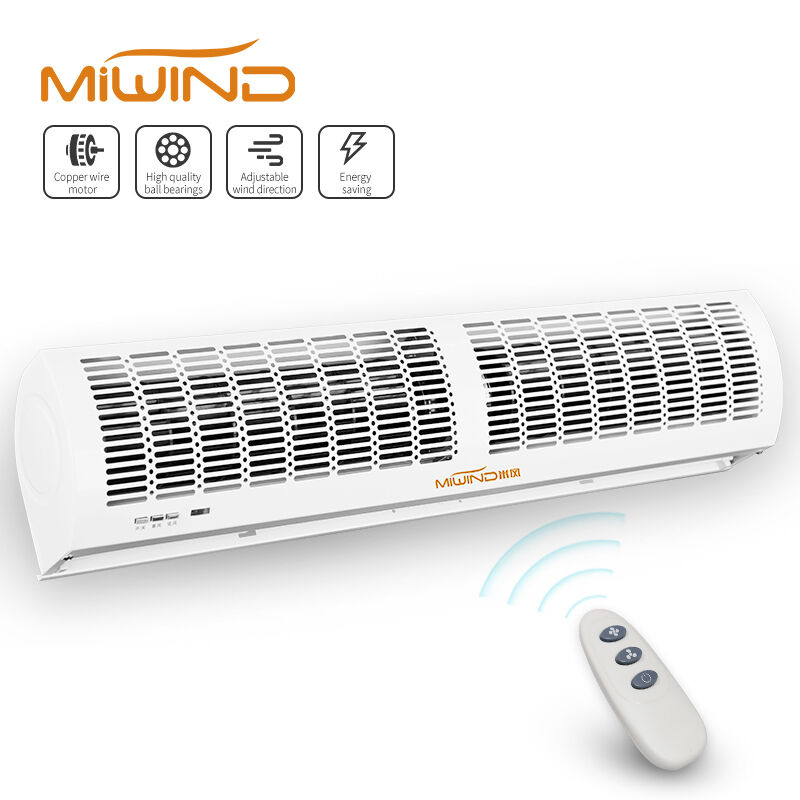
Modern building entrances face increasing challenges from energy efficiency demands, climate control requirements, and enhanced user comfort expectations. As commercial and industrial facilities strive to meet stringent environmental standards while maintaining optimal indoor conditions, traditional door systems alone are proving insufficient. The growing adoption of air curtain technology represents a fundamental shift in how building designers and facility managers approach entrance solutions, driven by both regulatory pressures and operational cost considerations.
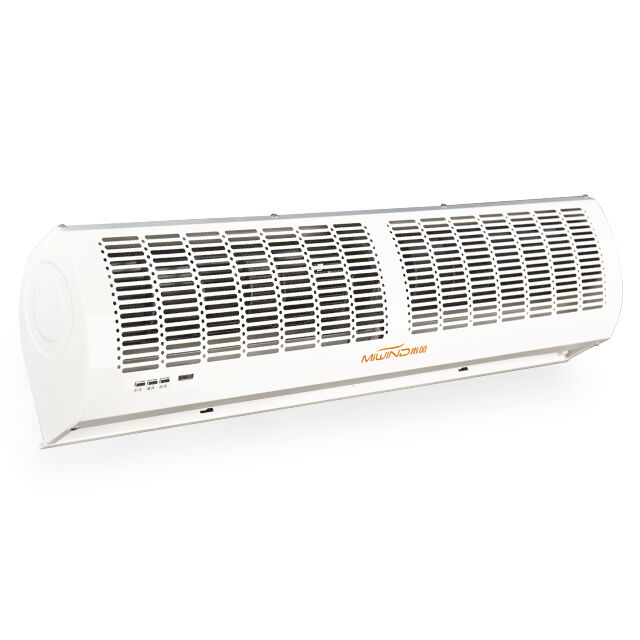
The essential nature of air curtain systems in contemporary building design stems from their ability to address multiple operational challenges simultaneously. These invisible barriers create a controlled airflow that separates indoor and outdoor environments without physical obstruction, enabling seamless traffic flow while maintaining environmental integrity. This capability has become particularly crucial as buildings face increased foot traffic, stricter energy codes, and heightened awareness of indoor air quality impacts on occupant health and productivity.
Energy Efficiency Drivers Behind Air Curtain Adoption
Rising Energy Costs and Regulatory Compliance
Energy efficiency regulations continue to tighten across commercial building sectors, creating compelling financial incentives for air curtain installation. Building codes now increasingly recognize the thermal barrier function of properly installed air curtain systems, allowing them to contribute toward overall building energy performance ratings. Facilities implementing air curtain technology typically report 20-40% reductions in heating and cooling costs associated with entrance areas, directly impacting operational budgets and carbon footprint metrics.
The economic pressure extends beyond utility costs to encompass building certification requirements and green building standards. LEED and similar certification programs now factor air curtain efficiency into their scoring systems, making these devices essential components for achieving desired sustainability ratings. This regulatory recognition has transformed air curtain systems from optional comfort features to necessary infrastructure investments for compliance-driven building projects.
HVAC System Protection and Longevity
Air curtain installation significantly reduces the thermal load on primary HVAC systems by preventing unconditioned air infiltration at building entrances. This protection extends equipment life cycles and reduces maintenance frequency, as heating and cooling systems operate within designed parameters rather than compensating for constant thermal disruption. The reduced cycling frequency and more stable operating conditions translate directly into lower maintenance costs and deferred equipment replacement expenses.
Professional HVAC contractors increasingly recommend air curtain integration during system design phases to optimize overall building climate control efficiency. The symbiotic relationship between air curtain barriers and central climate systems creates operational synergies that improve both individual component performance and system-wide energy utilization. This integration approach has become standard practice in high-performance building design, where every component must contribute to overall efficiency targets.
Indoor Air Quality and Health Considerations
Contaminant Exclusion and Air Purity
Modern buildings face unprecedented challenges from outdoor air pollution, allergens, and airborne contaminants that directly impact indoor environmental quality. Air curtain systems create effective barriers against particulate matter, exhaust fumes, and biological contaminants while maintaining natural ventilation opportunities. This protection has become essential in urban environments where outdoor air quality fluctuates dramatically and traditional filtration systems require constant maintenance and energy consumption.
The health implications of poor indoor air quality have gained significant attention following increased understanding of airborne disease transmission and workplace wellness impacts. Air curtain installations provide measurable improvements in indoor air quality metrics, including reduced particulate concentrations and improved air exchange efficiency. These health benefits translate into reduced absenteeism, improved occupant satisfaction, and potential liability reduction for building owners and operators.
Pest and Insect Control Benefits
Commercial facilities increasingly rely on air curtain technology for effective pest exclusion without compromising accessibility or operational efficiency. The controlled airflow creates an invisible barrier that deters flying insects and prevents pest infiltration while allowing unrestricted human traffic flow. This natural pest control method reduces dependency on chemical treatments and supports integrated pest management strategies required by food service, healthcare, and clean manufacturing environments.
Food safety regulations and sanitation requirements have elevated air curtain systems from convenience features to essential compliance tools in commercial kitchens, food processing facilities, and retail environments. The ability to maintain hygienic barriers without physical obstruction supports both regulatory compliance and operational efficiency in spaces where contamination control is paramount. This dual functionality makes air curtain installation a necessary investment rather than an optional upgrade in many commercial applications.
Operational Efficiency and User Experience Enhancement
Traffic Flow Optimization
High-traffic building entrances require solutions that balance environmental control with unrestricted pedestrian movement, making air curtain systems essential for optimal traffic flow management. Unlike traditional vestibules or revolving doors that create bottlenecks during peak usage periods, air curtain barriers maintain continuous passage while providing environmental separation. This capability has become particularly important in retail, healthcare, and transportation facilities where traffic congestion directly impacts operational efficiency and user satisfaction.
The seamless operation of air curtain systems supports accessibility requirements and emergency egress protocols while maintaining climate control effectiveness. Building codes increasingly recognize the importance of barrier-free design, making physical door systems less desirable in many applications. Air curtain technology addresses these conflicting requirements by providing environmental control without physical impediments, supporting both universal design principles and operational efficiency goals.
Maintenance and Operational Simplicity
Modern air curtain systems offer significantly reduced maintenance requirements compared to traditional mechanical door systems, automatic doors, and complex vestibule arrangements. The elimination of moving parts, seals, and mechanical components reduces maintenance frequency and associated labor costs while improving system reliability. This operational advantage has made air curtain installation particularly attractive for facilities with limited maintenance resources or remote locations where service accessibility is challenging.
The integration of smart controls and monitoring systems in contemporary air curtain designs further enhances operational efficiency through automated performance optimization and predictive maintenance capabilities. These advanced features allow facility managers to monitor system performance remotely and adjust operation parameters based on real-time conditions. This technological evolution has transformed air curtain systems from simple blower units to sophisticated building automation components that contribute to overall facility management efficiency.
Commercial and Industrial Application Expansion
Retail and Hospitality Sector Adoption
Retail environments have increasingly adopted air curtain technology to enhance customer comfort while maintaining energy efficiency and merchandise protection. Shopping centers, restaurants, and hospitality venues utilize air curtain systems to create welcoming entrances that encourage customer traffic while protecting interior environments from external weather conditions. This application has become essential for businesses seeking to optimize customer experience while controlling operational costs associated with climate control and product preservation.
The aesthetic benefits of air curtain installation complement the functional advantages, allowing architectural designers to create dramatic entrance designs without compromising environmental performance. The invisible nature of air curtain barriers supports contemporary design trends that emphasize transparency and open space concepts while maintaining practical building performance requirements. This design flexibility has made air curtain systems standard specifications in modern commercial architecture where visual impact and functional performance must coexist.
Industrial and Manufacturing Implementation
Industrial facilities have embraced air curtain technology for applications ranging from loading dock climate control to clean room protection and process area isolation. Manufacturing environments require precise environmental control while maintaining operational accessibility, making air curtain barriers ideal solutions for separating different climate zones without impeding workflow. The ability to maintain specific temperature, humidity, and cleanliness standards while allowing equipment and personnel movement has made air curtain installation essential for modern industrial operations.
Warehouse and distribution facilities utilize air curtain systems to protect conditioned storage environments while accommodating frequent door openings for material handling operations. The energy savings achieved through reduced thermal loss during loading and unloading operations provide rapid return on investment while supporting sustainable operation goals. This application has become particularly important as e-commerce growth drives increased warehouse activity and energy efficiency becomes a competitive advantage in logistics operations.
FAQ
What makes air curtain systems more effective than traditional door systems?
Air curtain systems provide continuous environmental separation without physical barriers, allowing unrestricted traffic flow while maintaining climate control effectiveness. Unlike traditional doors that create thermal bridges when opened, air curtain technology maintains consistent barrier performance regardless of usage frequency, making them superior for high-traffic applications where conventional door systems would compromise environmental control.
How do air curtain systems contribute to building energy certification programs?
Modern building certification programs like LEED recognize air curtain systems as contributing components to overall building energy performance ratings. Properly specified and installed air curtain units can earn points toward certification requirements while providing measurable energy savings that support building efficiency targets. Documentation of thermal barrier performance and energy reduction calculations allows air curtain installations to contribute meaningfully to green building certification achievements.
What maintenance requirements do commercial air curtain systems have?
Commercial air curtain systems require minimal maintenance compared to mechanical door systems, typically involving periodic filter cleaning, fan motor inspection, and control system verification. Most modern units feature accessible components and diagnostic systems that simplify routine maintenance tasks while providing operational feedback to facility management systems. The absence of moving parts like hinges, seals, and mechanical actuators significantly reduces maintenance frequency and associated costs.
Can air curtain systems work effectively in extreme climate conditions?
Advanced air curtain systems are specifically designed to perform effectively in extreme temperature differentials and challenging weather conditions. High-performance units incorporate heated air delivery, variable speed controls, and enhanced airflow patterns that maintain barrier effectiveness even during severe weather events. Proper sizing and installation ensure reliable performance across the full range of anticipated operating conditions, making air curtain technology suitable for diverse geographic and climatic applications.