 EN
EN

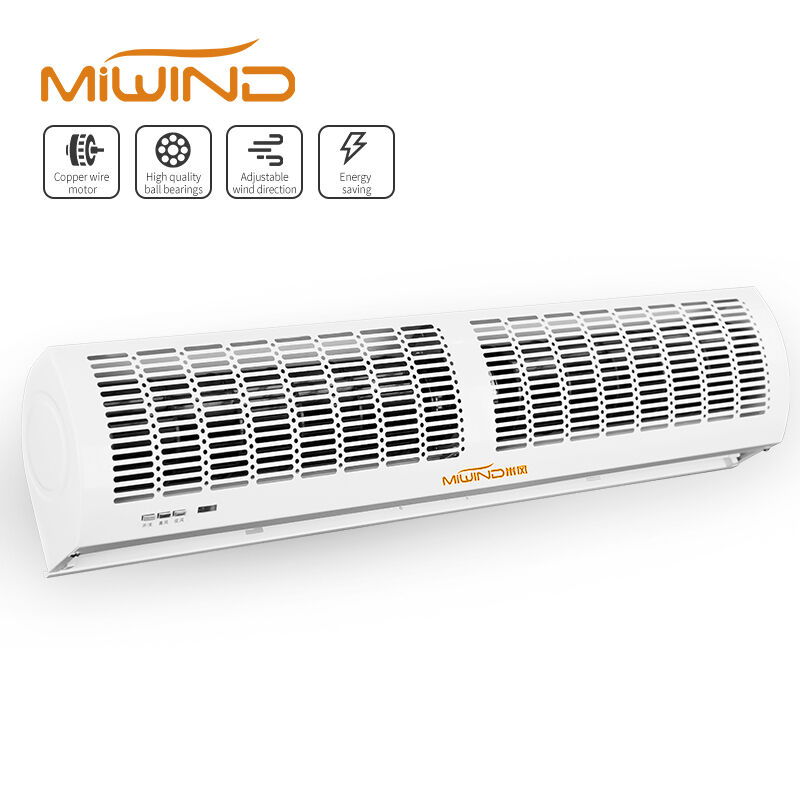
Installing an air curtain requires careful evaluation of multiple design factors to ensure optimal performance and energy efficiency. These invisible barriers of moving air serve critical functions in commercial and industrial facilities, but their effectiveness depends heavily on proper selection and installation planning. Understanding the key design considerations before purchasing an air curtain can prevent costly mistakes and ensure the system meets your specific operational requirements.
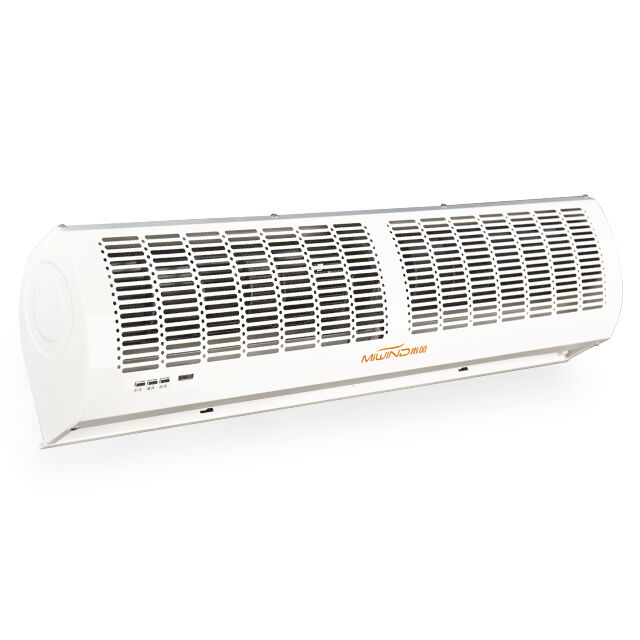
The design evaluation process for air curtain installation encompasses technical specifications, environmental conditions, and operational constraints that directly impact system performance. From door dimensions and ceiling height to ambient temperature differentials and traffic patterns, each factor influences the air curtain's ability to maintain temperature separation and prevent contamination transfer. Proper assessment of these design elements ensures long-term reliability and maximizes return on investment.
Physical Space Requirements and Dimensional Considerations
Door Opening Specifications and Coverage Area
The primary design factor for any air curtain installation centers on accurate measurement of the door opening or entrance that requires coverage. Width measurements must account for the complete opening span, including any structural elements that might interfere with airflow patterns. An effective air curtain typically extends beyond the actual door frame by several inches on each side to compensate for air velocity reduction at the unit's edges.
Height considerations become equally critical, as the air curtain must generate sufficient downward velocity to reach the floor level while maintaining adequate coverage density. Most commercial air curtain units perform optimally when installed at heights between 8 and 12 feet, though specific applications may require different mounting elevations based on architectural constraints and performance requirements.
Coverage area calculations must factor in the air curtain's effective reach, which extends several feet beyond the physical door opening. This extended coverage zone helps maintain barrier integrity even when doors remain open for extended periods or when external wind conditions attempt to disrupt the airflow pattern.
Ceiling Height and Mounting Clearance
Ceiling height directly influences air curtain selection and installation methodology, as insufficient clearance can compromise both airflow performance and maintenance accessibility. Standard commercial air curtain units require minimum clearance above the installation point for proper air intake and internal component operation. This clearance typically ranges from 6 to 18 inches depending on unit size and design specifications.
Mounting height affects the air stream's velocity retention and coverage consistency from top to bottom of the protected opening. Lower mounting positions may provide stronger floor-level coverage but reduce the overall protected area, while higher installations extend coverage but may experience velocity degradation before reaching ground level.
Structural support requirements must accommodate the air curtain's weight and operational vibration characteristics. Ceiling mounting systems need adequate load-bearing capacity and vibration dampening to prevent noise transmission and ensure long-term stability throughout the unit's operational lifespan.
Environmental Conditions and Climate Control Parameters
Temperature Differential Analysis
Temperature differences between interior and exterior environments significantly impact air curtain performance requirements and energy consumption patterns. Greater temperature differentials create stronger natural convection forces that the air curtain must overcome to maintain effective barrier function. Standard air curtain units typically handle temperature differences up to 30 degrees Fahrenheit effectively, while specialized models can manage more extreme conditions.
Seasonal temperature variations require consideration during the design phase to ensure year-round performance consistency. An air curtain sized for mild weather conditions may prove inadequate during peak summer or winter months when temperature differentials reach maximum levels. Design specifications should account for the most challenging environmental conditions expected during normal operation.
Humidity differences between spaces also influence air curtain effectiveness, particularly in applications involving climate-controlled environments or refrigerated spaces. High humidity differentials can create condensation issues and affect airflow patterns, requiring specific attention during the design evaluation process.
External Wind Conditions and Weather Exposure
Wind conditions at the installation site directly affect air curtain performance and sizing requirements. External wind speeds exceeding 10-15 mph can overwhelm standard air curtain barriers, necessitating higher-velocity units or supplementary wind-resistant design features. Prevailing wind directions should be documented to optimize air curtain orientation and discharge angle settings.
Building orientation relative to seasonal weather patterns influences the air curtain's workload throughout the year. Entrances facing prevailing winds experience greater infiltration pressure, requiring more robust air curtain specifications to maintain effective barrier performance under challenging conditions.
Exposure to precipitation, dust, and other environmental contaminants affects air curtain component selection and maintenance requirements. Outdoor installations or semi-enclosed applications may require specialized housing materials and filtration systems to ensure reliable operation despite environmental challenges.
Operational Requirements and Traffic Flow Patterns
Door Usage Frequency and Duration
The frequency and duration of door openings significantly influence air curtain sizing and control system requirements. High-traffic applications with frequent door operations demand air curtain units capable of rapid activation and consistent performance throughout extended operating periods. Continuous-duty applications require robust motor systems and enhanced cooling capabilities to prevent overheating during prolonged operation.
Door opening duration affects the air curtain's ability to maintain barrier integrity during extended access periods. Quick-opening doors may operate effectively with standard air curtain configurations, while doors that remain open for extended periods require higher-velocity units or specialized control systems to maintain adequate protection.
Automated door systems require synchronized air curtain activation to optimize energy efficiency and performance consistency. Integration with building automation systems allows for coordinated operation that maximizes barrier effectiveness while minimizing unnecessary energy consumption during periods of reduced traffic.
Personnel and Equipment Traffic Considerations
Human traffic patterns through protected openings influence air curtain velocity settings and comfort considerations. Excessive air velocities can create uncomfortable conditions for personnel while insufficient velocities fail to maintain effective barrier function. Most commercial applications target air velocities between 500 and 1500 feet per minute at floor level for optimal comfort and performance balance.
Equipment traffic, including forklifts, carts, and delivery vehicles, requires special attention during air curtain design evaluation. Large moving objects can disrupt airflow patterns temporarily, necessitating rapid recovery capabilities and potentially higher baseline velocities to compensate for momentary barrier interruptions.
Traffic flow direction affects air curtain mounting orientation and control system programming. Bi-directional traffic requires symmetrical airflow patterns, while predominantly single-direction flow may benefit from asymmetrical discharge angles optimized for the primary traffic pattern.
Electrical and Control System Integration
Power Supply Requirements and Electrical Infrastructure
Electrical supply requirements for air curtain installation depend on unit size, heating options, and control system complexity. Standard commercial air curtain units typically require single-phase or three-phase power connections ranging from 115V to 480V depending on motor specifications and heating element requirements. Adequate electrical infrastructure must exist or be installed to support the air curtain's power demands safely.
Heating options significantly impact electrical requirements, with electric heating elements adding substantial power consumption to base motor loads. Gas-fired heating systems reduce electrical demands but require additional infrastructure considerations including gas supply lines and ventilation requirements for safe operation.
Emergency power considerations become important for critical applications where air curtain operation must continue during power outages. Generator capacity and automatic transfer switch compatibility should be evaluated when designing air curtain systems for essential facility operations or life safety applications.
Control System Integration and Automation Capabilities
Modern air curtain systems offer sophisticated control options that integrate with building management systems for optimized performance and energy efficiency. Variable speed controls allow adjustment of airflow rates based on real-time conditions, reducing energy consumption during periods of reduced environmental challenge while maintaining adequate protection during peak demand periods.
Sensor integration capabilities enable automatic operation based on door position, occupancy detection, or environmental conditions. Temperature sensors can trigger air curtain activation when temperature differentials exceed predetermined thresholds, while motion sensors provide energy-efficient operation by activating the system only when personnel approach the protected opening.
Remote monitoring and diagnostic capabilities facilitate proactive maintenance and performance optimization throughout the air curtain's operational lifespan. Connected systems can provide real-time performance data, maintenance alerts, and energy consumption tracking to support informed decision-making and optimal system operation.
Economic and Performance Optimization Factors
Energy Efficiency and Operating Cost Analysis
Energy efficiency considerations significantly impact the total cost of air curtain ownership and should be thoroughly evaluated during the design phase. High-efficiency motor systems and advanced control options can substantially reduce operating costs compared to basic constant-speed units, though initial investment costs may be higher. Lifecycle cost analysis helps determine the optimal balance between upfront costs and long-term operational expenses.
Heating energy consumption represents a major operational cost component in climate-controlled applications. Proper air curtain sizing and performance optimization can reduce heating and cooling loads on primary HVAC systems, potentially offsetting air curtain operating costs through reduced overall energy consumption.
Utility incentive programs may be available for energy-efficient air curtain installations, providing financial support for high-performance units that exceed minimum efficiency standards. Local utility companies and government agencies often offer rebates or tax incentives for equipment that demonstrably reduces building energy consumption.
Maintenance Requirements and Accessibility Planning
Maintenance accessibility significantly affects long-term operational costs and system reliability. Air curtain installations must provide adequate access for routine cleaning, filter replacement, and component servicing without requiring specialized equipment or extensive disassembly procedures. Proper maintenance planning during the design phase prevents costly access challenges and ensures consistent system performance.
Component reliability and replacement part availability influence total ownership costs and operational continuity. Selecting air curtain systems from established manufacturers with comprehensive parts support networks reduces the risk of extended downtime and excessive repair costs throughout the system's operational lifespan.
Preventive maintenance scheduling requirements should align with existing facility maintenance programs to optimize resource utilization and minimize operational disruption. Systems requiring frequent maintenance interventions may prove more costly than higher-quality alternatives despite lower initial purchase prices.
FAQ
How do I determine the correct air curtain size for my door opening?
Air curtain sizing requires precise measurement of the door opening width and consideration of mounting height limitations. The air curtain should extend 3-6 inches beyond each side of the door frame, and the mounting height should typically not exceed 10-12 feet for optimal performance. Professional sizing calculations also factor in temperature differential, wind conditions, and traffic patterns to determine the appropriate velocity and airflow volume requirements.
What electrical requirements should I plan for during air curtain installation?
Electrical requirements vary significantly based on air curtain size and heating options. Basic units may require 115V single-phase connections, while larger commercial units often need 208V or 480V three-phase power. Electric heating elements substantially increase power consumption, sometimes doubling or tripling electrical demands. Consult manufacturer specifications and hire qualified electricians to ensure adequate electrical infrastructure exists or can be properly installed.
Can air curtains work effectively in high-wind conditions?
Standard air curtains typically maintain effectiveness in wind conditions up to 10-15 mph, beyond which performance degrades significantly. High-wind applications require specialized high-velocity units or wind-resistant designs capable of generating sufficient air velocity to overcome external wind pressure. Installation orientation and building design features can also help protect air curtains from direct wind exposure and improve overall performance consistency.
What maintenance considerations should influence air curtain selection?
Maintenance accessibility, component reliability, and service requirements should strongly influence air curtain selection decisions. Units with easily accessible filters, removable panels for cleaning, and readily available replacement parts reduce long-term operational costs. Consider the frequency of required maintenance tasks, availability of qualified service technicians, and warranty coverage when evaluating different air curtain options for your specific application requirements.