 EN

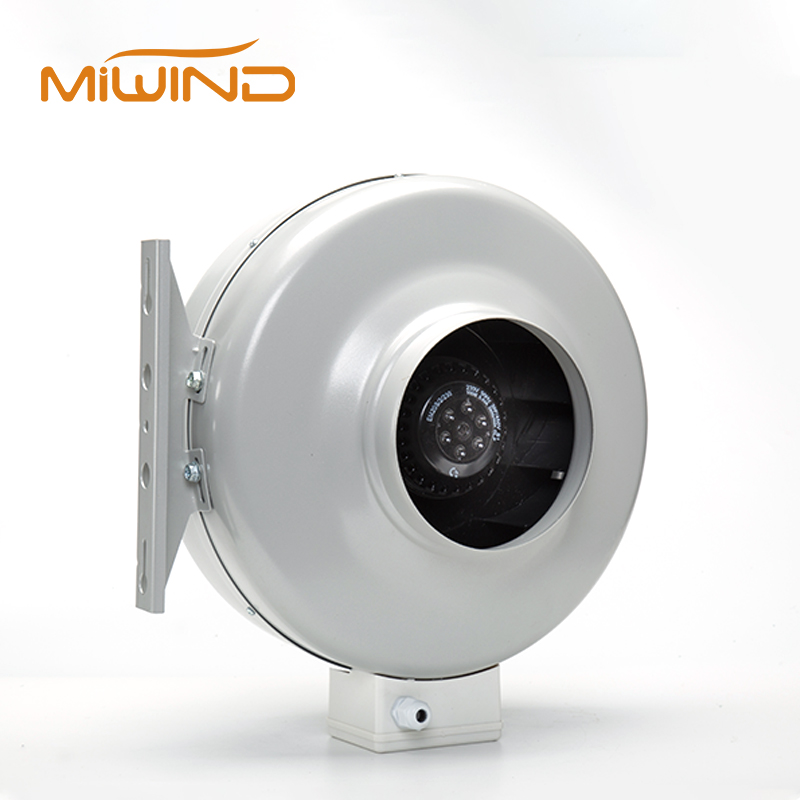
Warehouse environments demand robust climate control solutions to maintain safe, productive working conditions. An industrial fan is essential to achieving effective air circulation, preventing moisture buildup, and ensuring compliance with occupational health standards. Without proper ventilation powered by quality industrial fan equipment, warehouses face risks including poor air quality, temperature extremes, and potential regulatory violations that can disrupt operations and endanger personnel.

The role of an industrial fan extends far beyond basic air movement. These systems serve as the backbone of warehouse climate management, controlling humidity, dispersing contaminants, and regulating temperature across large floor areas. Understanding how an industrial fan functions within the broader ventilation strategy allows facility managers to optimize energy use, extend equipment lifespan, and create safer work environments for all employees.
Core Functions of Industrial Fan Systems
Air Circulation and Temperature Regulation
An industrial fan drives consistent air movement throughout warehouse spaces, preventing hot and cold zones that can compromise product quality and worker comfort. By maintaining uniform air distribution, an industrial fan reduces thermal stratification, where warm air naturally rises while cold air settles near the floor. This circulation ensures that temperature-sensitive inventory remains stable and workers experience consistent conditions across the facility, directly supporting productivity and reducing the strain on HVAC equipment.
Strategic placement of an industrial fan allows warehouse managers to guide air patterns toward problem areas, such as loading docks or storage zones with poor natural ventilation. The continuous circulation provided by an industrial fan prevents stagnant air pockets where moisture and odors accumulate, which is particularly critical in facilities storing perishables, chemicals, or materials sensitive to humidity fluctuations.
Moisture and Humidity Management
Warehouses in humid climates face significant challenges from condensation and mold growth that can damage inventory and create unhealthy conditions. An industrial fan combats these issues by promoting evaporation and breaking air stratification that traps moisture near products and structural elements. The enhanced air movement from an industrial fan accelerates humidity reduction, protecting investments in stored goods and preventing costly remediation efforts.
Proper humidity control through an industrial fan system also extends the longevity of metal components, wooden pallets, and packaging materials. By reducing moisture exposure, an industrial fan indirectly lowers maintenance costs and reduces the likelihood of material degradation, rust, and microbial growth that compromise warehouse assets.
Energy Efficiency and Operational Benefits
Reducing HVAC System Load
Modern warehouse operations increasingly recognize that supplementing primary HVAC systems with an industrial fan creates significant energy savings. An industrial fan operates at substantially lower energy consumption than ramping up central air conditioning or heating, allowing facilities to maintain comfort levels without overloading expensive equipment. This complementary approach means an industrial fan reduces peak demand periods, lowering utility costs and extending the service life of primary climate control systems.
The strategic deployment of an industrial fan enables warehouse managers to set primary HVAC systems to more moderate settings while relying on fan circulation to achieve target conditions. This hybrid approach is especially effective in warehouses with high ceilings or large open areas where central systems struggle to distribute heated or cooled air efficiently. An industrial fan fills this gap, ensuring consistent conditions without proportional increases in energy consumption.
Cost-Effectiveness and Return on Investment
The capital and operational cost of installing an industrial fan typically pays for itself through reduced energy expenditures within months, especially in large facilities. An industrial fan requires minimal maintenance compared to complex HVAC components, with straightforward cleaning and periodic inspections sustaining reliable performance. Warehouses can achieve faster ROI by replacing oversized, energy-hungry cooling systems with appropriately sized primary equipment supported by an industrial fan, optimizing both capital and operational budgets.
The flexibility of an industrial fan allows facilities to scale ventilation capacity incrementally, avoiding the substantial upfront investments required for complete HVAC system replacements. As warehouse operations expand or change, an industrial fan can be repositioned or supplemented without major facility modifications, providing scalable climate control that grows with business needs.
Safety, Compliance, and Worker Well-being
Air Quality and Occupational Health Standards
Occupational safety regulations mandate adequate ventilation to protect workers from airborne hazards, dust accumulation, and poor indoor air quality. An industrial fan supports compliance by continuously refreshing warehouse air, reducing concentrations of particulates, chemical vapors, and biological contaminants that accumulate in stagnant environments. Facilities equipped with an industrial fan demonstrate commitment to worker safety while reducing liability risks associated with inadequate ventilation.
The consistent air movement from an industrial fan also improves worker comfort during extended shifts, reducing fatigue associated with oppressive heat or musty conditions. Enhanced comfort directly correlates with improved focus, reduced accidents, and higher productivity, making an industrial fan an investment in both safety and operational performance. Warehouses that prioritize ventilation through an industrial fan system often experience lower worker compensation claims and improved employee retention rates.
Preventing Cross-Contamination and Odor Control
In warehouses storing diverse products, preventing cross-contamination requires controlled air handling that an industrial fan provides. By maintaining directional air flow, an industrial fan prevents odors and volatile compounds from one storage area contaminating adjacent inventory. This containment capability is especially valuable in facilities storing food products, pharmaceuticals, or materials requiring isolation from potential contaminants.
An industrial fan also supports rapid dispersion of accidental spill vapors or smoke, reducing the time personnel are exposed to hazardous air conditions and allowing faster recovery protocols. The rapid circulation capability of an industrial fan complements emergency response procedures, ensuring that facility air returns to normal conditions quickly and safely.
FAQ
What size industrial fan should a warehouse purchase?
Selecting the correct capacity industrial fan depends on warehouse volume, ceiling height, insulation quality, climate zone, and expected occupancy. Facility managers should calculate cubic footage and target air exchange rates based on industry standards and regulatory requirements. Consulting ventilation specialists ensures that an industrial fan selection matches specific operational demands without oversizing, which wastes energy, or undersizing, which leaves performance gaps.
Can an industrial fan replace a central HVAC system entirely?
In most warehouse applications, an industrial fan works best as a complement to, rather than replacement for, primary climate control systems. However, in moderate climates where temperature extremes are limited, an industrial fan combined with strategic natural ventilation may provide sufficient comfort and air quality. Full replacement scenarios are rare and require detailed analysis of occupancy patterns, inventory sensitivity, and regulatory compliance obligations for specific applications.
How does an industrial fan maintain consistent air quality across large floor areas?
An industrial fan prevents air stratification by pushing cold air downward and warm air horizontally, ensuring every zone experiences regular air refreshment. The strategic placement of an industrial fan, often suspended from ceiling structures or mounted on walls, allows circulation patterns that reach dead zones traditional HVAC systems miss. Combining multiple industrial fan units creates layered air management that delivers uniform quality throughout the warehouse.