 EN


Heat accumulation in factories represents one of the most persistent operational challenges facing modern manufacturing facilities. When temperature control fails, production efficiency drops, equipment deteriorates faster, and worker safety becomes compromised. An effective industrial fan solution directly addresses these thermal management issues by creating consistent air circulation, removing stagnant hot air, and maintaining optimal working temperatures throughout the facility. Understanding how an industrial fan works within a comprehensive ventilation strategy enables facility managers to make informed decisions that protect both equipment and personnel.
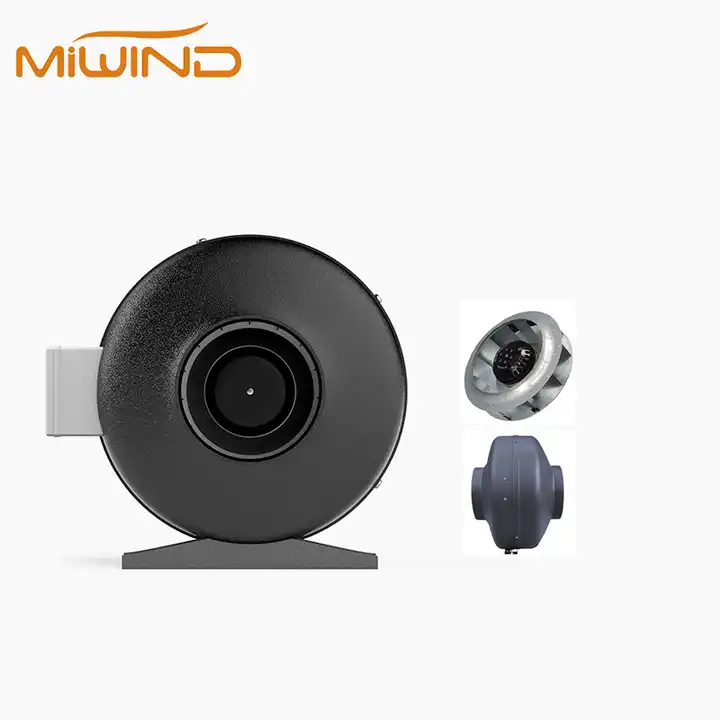
The selection of an appropriate industrial fan requires understanding both the heat source characteristics and the facility layout. Different manufacturing environments generate heat through distinct mechanisms—some from machinery operation, others from chemical processes or external solar gain. An industrial fan system must match these conditions precisely. Oversized units waste energy while undersized systems fail to maintain adequate temperature control. Strategic industrial fan placement, combined with supplementary ventilation infrastructure, creates a thermal management ecosystem that prevents dangerous heat pockets and maintains uniform conditions across production zones.
How Industrial Fan Systems Combat Heat Accumulation
Core Cooling Mechanisms in Industrial Facilities
An industrial fan operates through several interconnected cooling mechanisms that work together to eliminate excess heat. The primary function involves pushing hot air upward and outward, breaking thermal stratification where heat naturally concentrates near ceiling areas. This upward movement, combined with intake ventilation, creates positive air exchange that continuously refreshes the facility atmosphere. An industrial fan moves large volumes of air at controlled speeds, typically measured in cubic feet per minute (CFM), ensuring thorough circulation without creating uncomfortable drafts or air velocity problems.
The secondary cooling pathway involves facilitating evaporative heat transfer when humid conditions exist. Many modern industrial fan designs incorporate variable speed controls, allowing operators to adjust air movement based on real-time temperature monitoring. This adaptability makes an industrial fan more energy-efficient than fixed-speed alternatives. During peak heat periods, the system operates at maximum capacity, while cooler periods allow reduced operation. Seasonal adjustments and demand-responsive programming transform an industrial fan from a static fixture into a dynamic thermal management tool.
Air Exchange and Stratification Reduction
Temperature stratification creates dangerous working conditions where floor-level zones remain relatively cool while elevated areas become dangerously hot. An industrial fan directly counteracts this stratification by establishing continuous vertical air movement. Large-diameter ceiling fans or destratification models specifically designed for industrial applications maintain uniform temperature distribution, reducing the temperature differential between floor and ceiling by 10 to 20 degrees Fahrenheit in many applications. This uniform distribution improves occupant comfort while reducing thermal stress on equipment located throughout the facility.
The effectiveness of stratification reduction depends on industrial fan sizing, placement, and integration with broader ventilation systems. A properly configured industrial fan system prevents hot air accumulation above work areas and machinery, which commonly leads to accelerated equipment wear and diminished operational lifespan. When hot zones are eliminated, component thermal stress decreases proportionally, extending maintenance intervals and reducing replacement frequency.
Industrial Fan Selection for Specific Heat Challenges
Matching Fan Capacity to Heat Load Requirements
Calculating appropriate industrial fan specifications begins with quantifying total heat generation within the facility. Manufacturing operations produce measurable heat loads from equipment operation, compressed air systems, welding processes, furnaces, steam lines, and personnel activity. An industrial fan must circulate sufficient air volume to handle peak heat generation while maintaining reasonable noise levels and energy consumption. Industry standards recommend calculating CFM requirements by dividing total heat load (in BTU) by the acceptable temperature rise, then applying application-specific safety factors.
Professional industrial fan selection evaluates building dimensions, ceiling height, equipment layout, and ventilation pathways. A facility with 50,000 square feet and 20-foot ceilings requires different industrial fan configurations than a warehouse with 100,000 square feet and 30-foot ceilings. Multiple smaller-capacity fans often outperform single large-capacity units in complex facilities because they distribute air more evenly. Industrial fan arrays can target specific problematic zones while maintaining controllable overall system performance and noise characteristics.
Ventilation Integration and Air Movement Patterns
Optimal thermal management requires coordinating industrial fan operation with intake ventilation, exhaust pathways, and heat recovery systems. An industrial fan alone cannot solve heat accumulation without proper air inlet and outlet design. Supply air must enter through strategically located intake vents, while heated air exits through exhaust systems positioned to capture rising hot air. This creates balanced positive and negative pressure zones that prevent hot air recirculation.
Seasonal variation demands flexible industrial fan configuration. Winter operation might emphasize heat recovery and minimal ventilation to preserve warmth, while summer operation maximizes air exchange to eliminate excess thermal energy. Modern industrial fan systems incorporate dampers, louvers, and speed controls that adapt to seasonal demands. Integration with building management systems allows automated industrial fan adjustments based on continuous temperature monitoring, maximizing efficiency while maintaining human comfort and equipment protection.
Industrial Fan Efficiency and Long-Term Performance
Energy Optimization and Operating Costs
While industrial fan operation consumes electrical energy, properly designed systems recover this investment through reduced cooling costs, extended equipment life, and improved worker productivity. High-efficiency industrial fan motors consume less energy per unit of air movement compared to older designs. Variable frequency drives (VFDs) enable industrial fan speed adjustment based on actual thermal requirements, reducing energy consumption during partial-load conditions that often characterize typical daily operations.
Life-cycle analysis demonstrates that upfront investment in quality industrial fan equipment and proper installation typically recovers costs within 18 to 36 months through cumulative operational savings. Reduced maintenance expenses on machinery, decreased downtime from heat-related failures, and lower supplementary cooling costs all contribute to favorable return on investment. Premium industrial fan models with advanced bearing systems and corrosion-resistant construction maintain reliability across extended service intervals, further reducing total operating costs.
Maintenance Requirements and System Reliability
Regular maintenance ensures industrial fan systems operate reliably throughout their design life. Monthly inspections of blade condition, bearing temperature, and motor vibration identify emerging problems before catastrophic failure occurs. An industrial fan with properly maintained bearings, clean intake screens, and secure fasteners operates at peak efficiency while minimizing unexpected downtime. Many facilities establish preventive maintenance schedules coordinated with seasonal maintenance programs and facility shutdowns.
Dust accumulation on industrial fan blades reduces efficiency by degrading aerodynamic performance and increasing mechanical stress. Quarterly cleaning in high-dust environments maintains optimal air movement while preventing premature component wear. Well-maintained industrial fan systems rarely experience unexpected failures that disrupt production schedules or compromise worker safety.
FAQ
What specific benefits does an industrial fan provide beyond basic air circulation?
An industrial fan prevents dangerous temperature stratification that would otherwise compromise occupant safety and equipment reliability. Beyond circulation, an industrial fan facilitates heat removal when integrated with ventilation systems, reduces thermal stress on machinery, extends component lifespan, improves worker productivity during hot months, and enables facility compliance with occupational safety standards. These benefits combine to generate measurable financial returns while maintaining operational continuity.
How does industrial fan capacity relate to facility size and heat generation?
Industrial fan sizing depends on total facility volume, total heat generation from all sources, acceptable temperature rise limits, and ventilation pathway efficiency. Larger facilities with higher heat loads require proportionally greater CFM capacity. Professional calculations evaluate specific heat loads and recommend industrial fan configurations optimized for particular applications. Oversizing wastes energy while undersizing fails to maintain acceptable temperatures, making professional assessment valuable.
Can an industrial fan operate year-round or only during warm seasons?
Modern industrial fan systems operate effectively throughout the year with appropriate seasonal adjustments. Winter operation might focus on gentle circulation and heat recovery rather than cooling, while summer emphasizes heat removal and air exchange. Variable speed industrial fan controls automatically adjust operation based on facility conditions, providing thermal management benefits across all seasons. Integrated control systems optimize industrial fan performance while maintaining energy efficiency regardless of external weather.