 EN

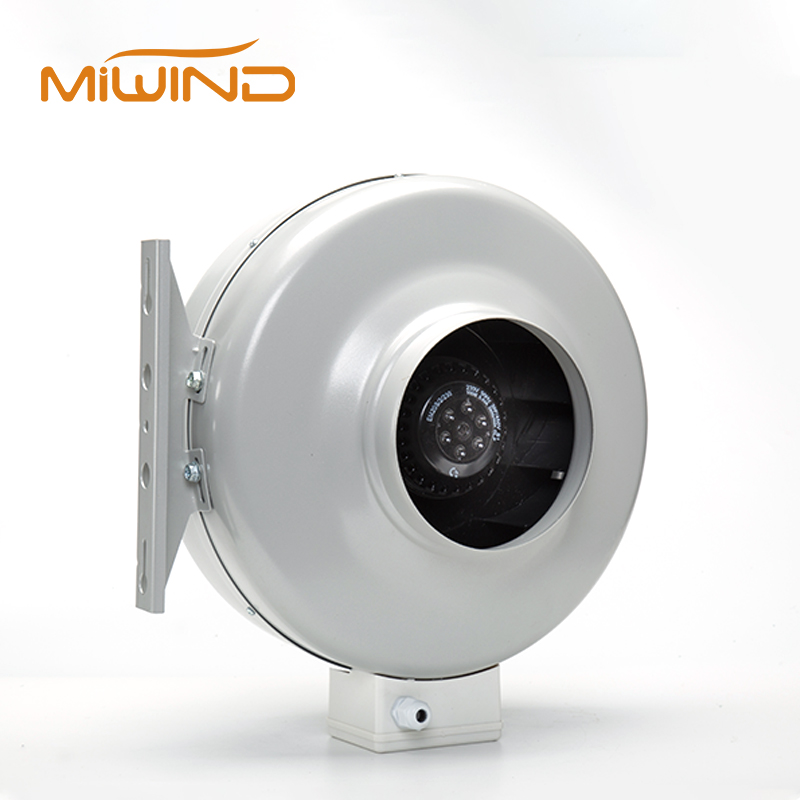
Workplace comfort is a cornerstone of employee productivity, health, and satisfaction. Yet many facilities overlook one of the most critical components of a comfortable work environment: proper air circulation and ventilation. An industrial fan serves as the foundation for maintaining optimal temperature regulation, air quality, and employee well-being across large commercial and manufacturing spaces. Without adequate air movement, workplaces can suffer from stagnant air, temperature inconsistencies, and reduced indoor air quality that directly impact worker performance and retention.
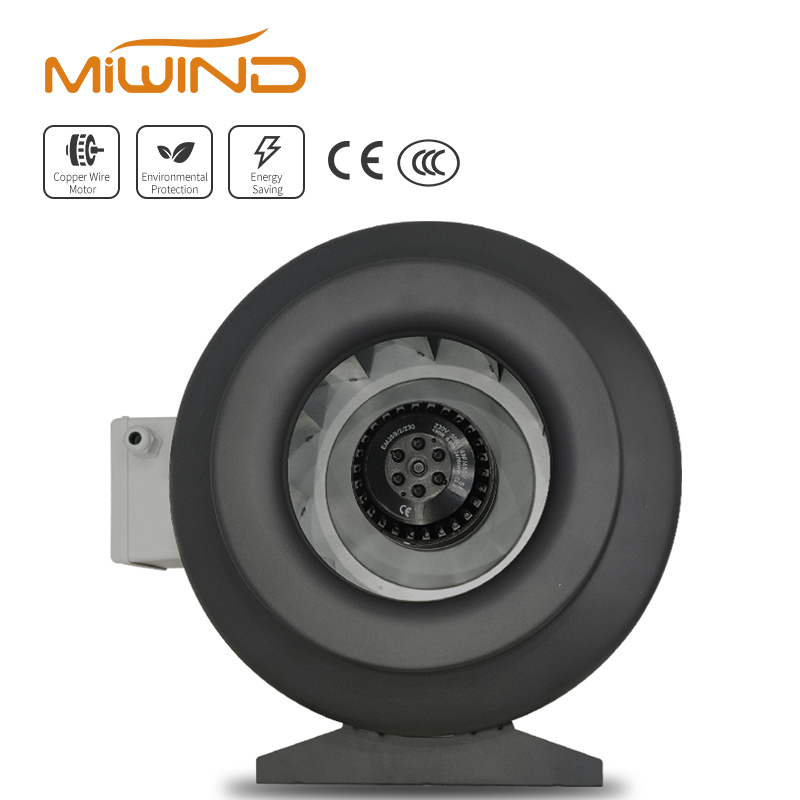
The importance of an industrial fan extends beyond simple comfort. Effective ventilation systems powered by robust industrial fan equipment reduce heat buildup, eliminate moisture accumulation, and promote better air circulation patterns throughout facilities. Organizations that invest in high-quality industrial fan solutions experience measurable improvements in employee satisfaction scores, reduced absenteeism related to heat stress and poor air quality, and lower energy costs through optimized climate control. This article explores why industrial fan technology has become essential for modern workplaces and how facility managers can leverage these systems to create safer, more productive environments.
The Role of Industrial Fan Systems in Temperature Control
Managing Heat Accumulation in Large Spaces
Large commercial and industrial facilities generate significant heat from equipment, machinery, and high occupancy. Without an effective industrial fan system, this heat concentrates in upper zones while cooler air settles near the floor, creating uncomfortable working conditions and forcing HVAC systems to work harder than necessary. A properly designed industrial fan redistributes warm air back down to occupied zones, allowing air conditioning systems to operate more efficiently and maintain consistent temperatures throughout the facility. This thermal stratification management is particularly critical in warehouses, manufacturing plants, and large open-plan offices where traditional HVAC solutions alone cannot maintain comfort.
Reducing Energy Consumption Through Smart Circulation
One of the most compelling reasons to implement an industrial fan solution is the dramatic reduction in energy consumption. By using an industrial fan to destratify hot air and improve air circulation, facilities can operate their HVAC systems at lower capacities. Studies consistently show that organizations using an industrial fan for destratification reduce heating and cooling costs by fifteen to thirty percent annually. This energy efficiency translates directly to lower utility bills while maintaining the same or superior comfort levels. The investment in quality industrial fan equipment typically pays for itself within two to three years through energy savings alone.
Industrial Fan Technology and Indoor Air Quality Enhancement
Eliminating Stagnant Air and Odors
Stagnant air in enclosed workspaces accumulates odors, airborne particles, and potentially harmful substances that degrade indoor air quality. An industrial fan keeps air in constant motion, preventing dead zones where contaminants can settle and concentrate. Continuous air circulation powered by an industrial fan helps disperse odors from equipment, cleaning products, and occupancy-related sources, creating a fresher work environment. For facilities using specialized air filtration systems, an industrial fan improves the effectiveness of those filters by ensuring air passes through them more consistently rather than taking shortcuts around stagnant zones.
Supporting Moisture Control and Preventing Mold Growth
Moisture accumulation in industrial spaces creates ideal conditions for mold growth, which poses serious health risks and can damage facility infrastructure. An industrial fan reduces localized moisture concentration by maintaining steady air movement that prevents humidity from settling in corners and enclosed areas. Facilities in humid climates or those with high moisture-generating processes benefit significantly from industrial fan technology that keeps relative humidity levels more uniform and prevents microenvironments where moisture can accumulate. This moisture control capability of an industrial fan extends the lifespan of building materials and equipment while protecting employee health.
Worker Health, Productivity, and Industrial Fan Investment
Reducing Heat Stress and Improving Cognitive Performance
Research consistently demonstrates that temperature extremes and poor air circulation directly impair worker performance and safety. Employees working in overheated or poorly ventilated spaces experience fatigue, reduced cognitive function, and increased error rates. An industrial fan maintains thermal comfort even during peak heat seasons, enabling workers to maintain focus, concentration, and productivity. Heat stress reduction through effective industrial fan deployment has been shown to decrease workplace injuries and improve output quality across manufacturing and logistics sectors. Beyond productivity metrics, providing adequate air circulation through an industrial fan demonstrates employer commitment to worker welfare, which positively impacts recruitment and retention in competitive labor markets.
Meeting Regulatory Compliance and Health Standards
Many jurisdictions and industry standards require minimum air exchange rates and temperature ranges for occupational safety. Facilities must demonstrate compliance with OSHA guidelines, ASHRAE standards, and local building codes regarding indoor air quality and thermal comfort. An industrial fan becomes integral to meeting these regulatory requirements cost-effectively. Proper ventilation achieved through industrial fan systems ensures facilities maintain legal compliance while avoiding penalties and liability issues. For food production, pharmaceutical manufacturing, and other regulated industries, an industrial fan that supports compliance with ventilation standards is not optional but mandatory for continued operation.
FAQ
How does an industrial fan differ from standard HVAC ventilation?
An industrial fan complements HVAC systems by addressing thermal stratification and improving air circulation efficiency. While HVAC systems condition and filter air, an industrial fan keeps that air moving throughout the space to prevent stagnation and ensure consistent temperature distribution. In large facilities, HVAC alone cannot maintain uniform comfort, making an industrial fan essential for complete climate management. Together, an industrial fan and HVAC create synergistic benefits that neither system can achieve independently.
What size industrial fan do I need for my facility?
The appropriate industrial fan size depends on facility dimensions, ceiling height, insulation quality, equipment heat load, and occupancy levels. Larger facilities and those with significant heat-generating equipment require higher-capacity industrial fan systems. Working with ventilation specialists ensures selection of an industrial fan sized correctly for your specific application. Undersized industrial fan equipment fails to address comfort issues, while oversized fans waste energy unnecessarily. Professional assessment of your facility's needs determines the optimal industrial fan configuration for maximum efficiency.
Can an industrial fan help reduce my facility's environmental impact?
Yes, an industrial fan significantly reduces environmental impact by lowering energy consumption and associated carbon emissions. By enabling more efficient HVAC operation, an industrial fan reduces overall facility energy demand and utility company strain on electrical grids. Modern industrial fan systems with variable frequency drives offer even greater efficiency improvements. Organizations adopting industrial fan technology demonstrate environmental responsibility while achieving cost savings, creating win-win outcomes for sustainability goals and operational budgets.