 EN
EN

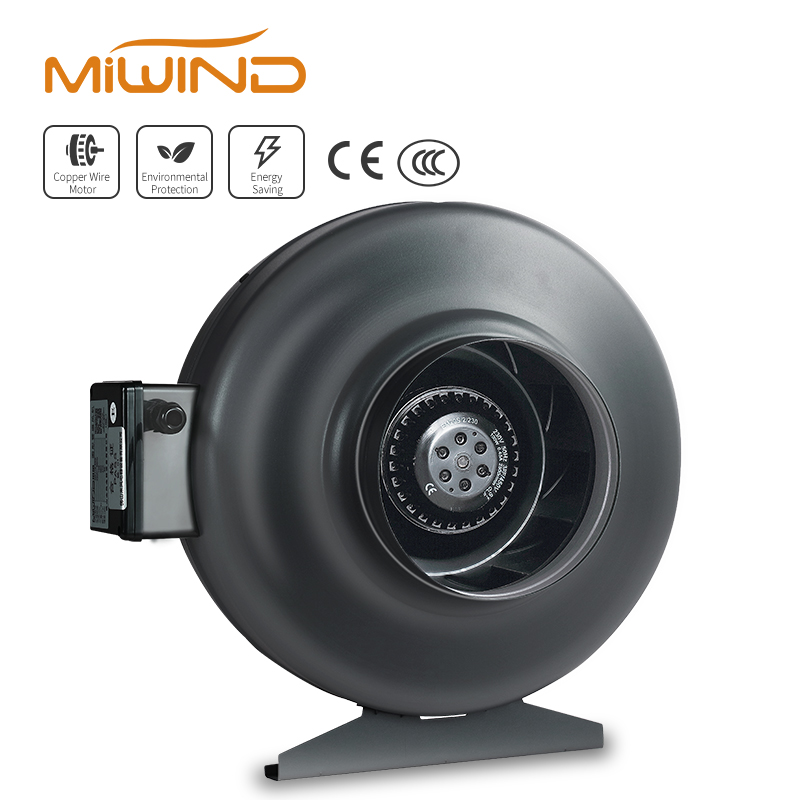
Selecting the right industrial fan for your facility requires careful evaluation of multiple technical and operational factors that directly impact performance, energy efficiency, and long-term reliability. The decision process involves analyzing airflow requirements, environmental conditions, installation constraints, and operational parameters that align with your facility's specific ventilation needs. Understanding these critical selection criteria ensures optimal performance while minimizing energy costs and maintenance requirements over the equipment's operational lifetime.
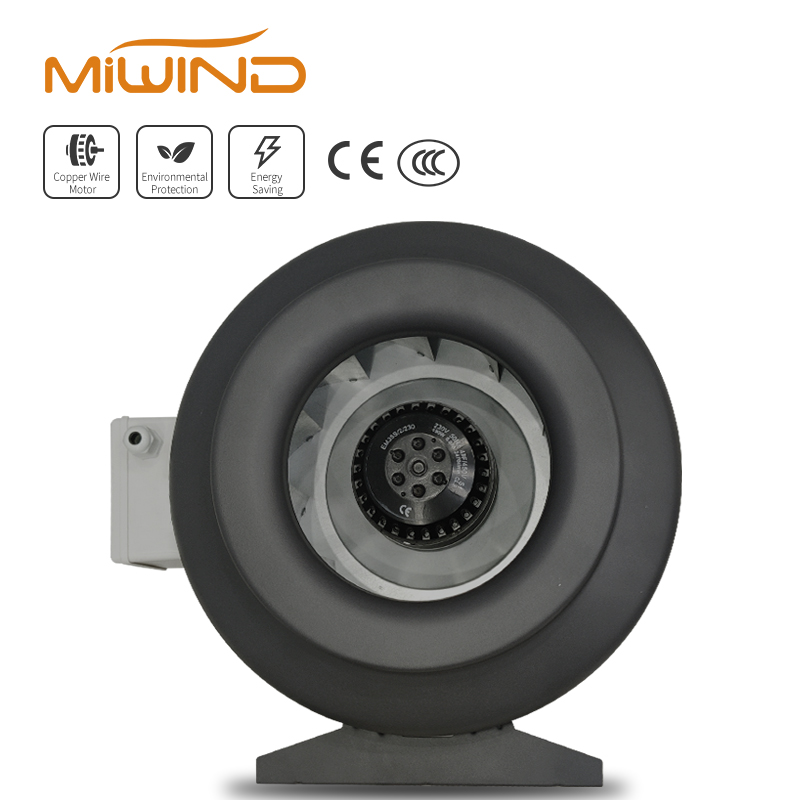
The selection process for an industrial fan demands a systematic approach that balances performance requirements with practical installation and maintenance considerations. Each facility presents unique challenges including space limitations, noise restrictions, power availability, and environmental conditions that must be thoroughly evaluated before making a final selection decision.
Airflow and Pressure Requirements Assessment
Calculating Required Air Volume
Determining the correct air volume requirements forms the foundation of industrial fan selection. Facilities must calculate the total cubic feet per minute (CFM) needed based on room size, occupancy levels, heat generation, and air change requirements. Manufacturing facilities typically require 6-12 air changes per hour, while warehouses may need only 2-4 changes depending on the stored materials and environmental control needs.
The calculation process involves measuring facility dimensions, identifying heat-generating equipment, and considering ventilation standards for the specific industry or application. Industrial fan sizing must account for peak load conditions and future expansion plans to ensure adequate capacity throughout the facility's operational lifecycle. Undersized fans result in poor air quality and temperature control, while oversized units waste energy and increase operational costs unnecessarily.
Static Pressure Considerations
Static pressure requirements significantly influence industrial fan selection as they determine the fan's ability to overcome system resistance. Ductwork length, bends, filters, dampers, and outlet configurations create pressure drops that the fan must overcome to maintain required airflow rates. Complex duct systems with multiple bends and long runs require fans with higher static pressure capabilities.
Pressure loss calculations must include all system components from inlet to outlet, considering both static and dynamic pressure losses. Industrial fan manufacturers provide performance curves showing the relationship between airflow and static pressure, enabling precise selection for specific system requirements. Proper pressure analysis ensures the fan operates within its optimal efficiency range while meeting facility ventilation needs.
Environmental and Operating Conditions
Temperature and Humidity Factors
Operating temperature ranges directly impact industrial fan material selection, motor specifications, and performance characteristics. High-temperature applications require fans constructed with heat-resistant materials and specially designed motors rated for elevated ambient temperatures. Facilities with temperature fluctuations need fans capable of maintaining consistent performance across the entire operating range.
Humidity levels affect both fan construction materials and electrical components. Corrosive environments require stainless steel or coated fan housings to prevent deterioration and ensure long-term reliability. Industrial fan motors in humid environments need appropriate protection ratings and special insulation systems to prevent moisture-related failures and maintain operational safety.
Contaminant and Chemical Exposure
Chemical exposure and airborne contaminants require specialized industrial fan construction to prevent corrosion and ensure safe operation. Facilities handling acids, solvents, or other corrosive materials need fans with appropriate chemical resistance ratings and non-sparking construction. Material compatibility charts help identify suitable fan components for specific chemical environments.
Dust and particulate levels influence fan design selection, with heavily contaminated environments requiring specialized impeller designs and protective coatings. Industrial fan maintenance requirements increase significantly in contaminated environments, making material selection and protective features critical factors in the selection process. Regular cleaning accessibility and component durability become primary considerations for long-term operational success.
Installation and Space Constraints
Physical Dimensions and Mounting Options
Available installation space determines industrial fan size, configuration, and mounting method selection. Ceiling-mounted units require adequate structural support and clearance for maintenance access, while wall-mounted fans need proper reinforcement and weatherproofing considerations. Floor-mounted installations offer easier maintenance access but consume valuable floor space.
Facility layout constraints often dictate fan placement and ductwork routing, influencing overall system design and performance. Industrial fan manufacturers offer various configurations including axial, centrifugal, and mixed-flow designs to accommodate different space limitations and performance requirements. Proper clearance around fans ensures adequate airflow and maintenance accessibility throughout the equipment lifecycle.
Electrical and Control System Integration
Electrical power availability and control system compatibility significantly impact industrial fan selection decisions. Motor voltage, phase, and frequency requirements must match facility electrical infrastructure capabilities. Variable frequency drives (VFDs) enable energy-efficient operation and improved process control but require compatible motor designs and appropriate harmonic considerations.
Control system integration allows industrial fan operation to respond to facility conditions through temperature sensors, humidity monitors, and occupancy controls. Smart control capabilities reduce energy consumption while maintaining optimal environmental conditions. Integration with building management systems provides centralized monitoring and control capabilities for multiple fan installations throughout large facilities.
Energy Efficiency and Operating Costs
Motor Efficiency and Power Consumption
Motor efficiency directly impacts long-term operating costs and environmental impact of industrial fan installations. Premium efficiency motors reduce energy consumption by 3-8% compared to standard efficiency units, providing significant cost savings over the equipment's operational lifetime. Energy-efficient industrial fan systems often qualify for utility rebates and tax incentives that offset initial cost premiums.
Power factor considerations affect electrical system efficiency and utility demand charges. Industrial fan installations with poor power factor increase electrical system losses and may result in utility penalty charges. Proper motor selection and power factor correction equipment ensure optimal electrical system performance and minimize operating costs.
Variable Speed Control Benefits
Variable frequency drives enable industrial fan speed adjustment to match actual facility requirements, providing substantial energy savings compared to constant-speed operation. Fan power consumption varies as the cube of speed, meaning a 20% speed reduction results in approximately 50% power savings. This relationship makes variable speed control highly beneficial for applications with varying ventilation requirements.
Demand-based control strategies adjust industrial fan operation based on actual facility conditions rather than maximum design requirements. Occupancy sensors, temperature controls, and air quality monitors enable automatic fan speed adjustment to maintain optimal conditions while minimizing energy consumption. Properly implemented control strategies can reduce industrial fan energy consumption by 30-60% compared to constant-speed operation.
Maintenance and Reliability Considerations
Component Durability and Service Life
Component durability directly impacts industrial fan reliability and total cost of ownership. High-quality bearings, robust impeller construction, and properly sized motors ensure reliable operation and extended service life. Manufacturer warranties and service support availability provide important indicators of expected equipment reliability and ongoing support quality.
Material selection significantly influences industrial fan longevity in demanding industrial environments. Stainless steel construction, protective coatings, and corrosion-resistant hardware extend equipment life and reduce replacement costs. Balanced impellers and precision manufacturing reduce vibration and mechanical stress, contributing to longer bearing life and reduced maintenance requirements.
Maintenance Access and Service Requirements
Maintenance accessibility affects ongoing service costs and equipment reliability throughout the operational lifecycle. Industrial fan designs with removable access panels, easily replaceable components, and adequate service clearances reduce maintenance time and costs. Proper maintenance scheduling and component replacement intervals help ensure consistent performance and prevent unexpected failures.
Service part availability and technical support quality impact long-term operational success. Established manufacturers with comprehensive service networks provide better long-term support than smaller suppliers with limited service capabilities. Local service availability reduces downtime and emergency service costs while ensuring prompt response to equipment issues.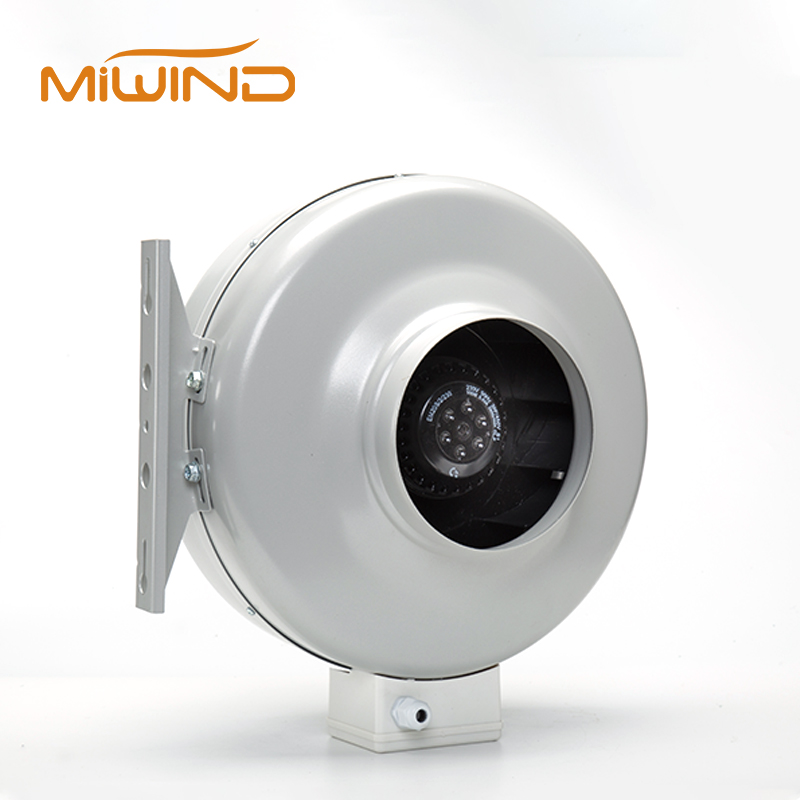
FAQ
How do I calculate the correct CFM requirements for my facility?
Calculate CFM by multiplying your facility volume by the required air changes per hour, then divide by 60 minutes. For example, a 10,000 cubic foot warehouse needing 4 air changes per hour requires 667 CFM. Add 10-20% safety margin for peak conditions and future expansion needs.
What is the difference between axial and centrifugal industrial fans?
Axial fans move air parallel to the shaft and are ideal for high-volume, low-pressure applications like general ventilation. Centrifugal fans move air perpendicular to the shaft and generate higher pressures, making them suitable for ducted systems and applications requiring pressure to overcome system resistance.
How important is motor efficiency in industrial fan selection?
Motor efficiency significantly impacts operating costs since industrial fans often run continuously. Premium efficiency motors cost 10-15% more initially but can save 20-40% in energy costs annually. Over a 10-year service life, efficient motors typically provide 300-500% return on investment through reduced electricity consumption.
What maintenance requirements should I expect for industrial fans?
Typical maintenance includes monthly visual inspections, quarterly bearing lubrication, semi-annual belt tension checks, and annual motor and electrical connection inspection. Harsh environments may require more frequent cleaning and component inspection. Proper maintenance extends equipment life by 50-100% compared to neglected installations.