 EN
EN

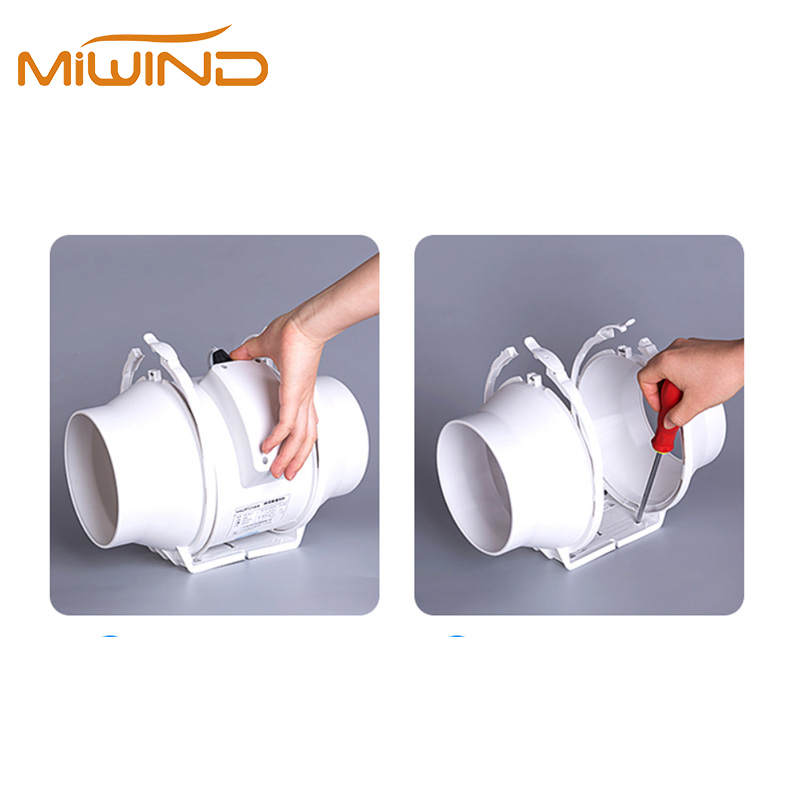
Building ventilation systems are undergoing a fundamental transformation, driven by increasingly stringent energy efficiency requirements, advanced building automation protocols, and the need for more precise indoor air quality management. At the center of this evolution lies the inline duct fan, a critical component that has evolved from simple airflow generators to sophisticated, intelligent systems capable of real-time optimization and seamless integration with modern building management platforms.
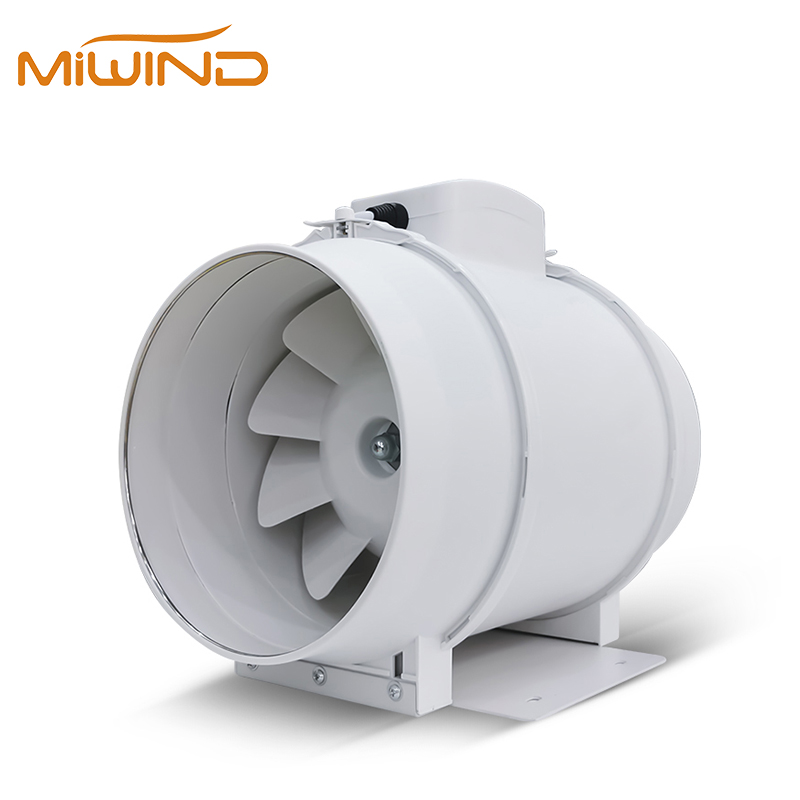
The technological advancement of the inline duct fan reflects broader shifts in how commercial and industrial facilities approach ventilation challenges. Traditional ventilation approaches often relied on oversized, constant-speed systems that consumed excessive energy while providing inadequate control over specific zones or changing occupancy patterns. Modern inline duct fan technologies address these limitations through variable speed controls, smart sensors, and predictive algorithms that optimize performance based on real-time conditions and anticipated demand patterns.
Energy Efficiency Mandates Driving Innovation
Regulatory Pressure and Compliance Requirements
Government regulations worldwide are establishing increasingly strict energy efficiency standards for commercial buildings, creating substantial pressure on facility managers to implement more efficient ventilation technologies. The inline duct fan industry has responded by developing EC motor technologies that can achieve efficiency levels exceeding 80%, compared to traditional AC motors that typically operate at 60-70% efficiency. These regulatory frameworks often include specific requirements for variable speed capabilities and demand-controlled ventilation systems.
Building codes in many jurisdictions now mandate minimum efficiency standards that can only be met through advanced inline duct fan technologies. These requirements extend beyond simple energy consumption metrics to include provisions for controllability, monitoring capabilities, and integration with building automation systems. Compliance with standards such as ASHRAE 90.1 and various international building performance codes necessitates the implementation of sophisticated inline duct fan systems that can demonstrate measurable improvements in operational efficiency.
Economic Incentives and Payback Considerations
The economic case for advanced inline duct fan technologies has become increasingly compelling as energy costs continue to rise and utility companies offer substantial rebates for high-efficiency equipment installations. Variable speed inline duct fan systems typically provide energy savings of 30-50% compared to constant speed alternatives, resulting in payback periods often under three years for commercial applications. These economic benefits are further enhanced by reduced maintenance requirements and extended equipment life cycles associated with modern motor technologies.
Facility managers are recognizing that the initial investment in advanced inline duct fan technology generates ongoing operational savings through reduced energy consumption, lower maintenance costs, and improved system reliability. The ability to optimize fan operation based on actual demand rather than design maximums allows buildings to achieve substantial cost reductions while maintaining or improving indoor air quality standards. This economic value proposition has accelerated adoption across various building types and geographic markets.
Smart Building Integration and IoT Connectivity
Building Management System Integration
Modern inline duct fan systems are increasingly designed with native connectivity to building management systems, enabling centralized control and monitoring of ventilation performance across entire facilities. These integrated systems provide facility managers with real-time visibility into fan operation, energy consumption, and performance metrics that were previously unavailable or required manual monitoring. The ability to coordinate inline duct fan operation with other building systems such as lighting, occupancy sensors, and HVAC controls creates opportunities for comprehensive energy optimization.
Integration capabilities extend beyond simple on-off control to include sophisticated scheduling, load balancing, and predictive maintenance functions. Advanced inline duct fan controllers can receive inputs from multiple sensors throughout the building and automatically adjust operation to maintain optimal conditions while minimizing energy consumption. This level of integration requires inline duct fan manufacturers to develop products with standardized communication protocols and robust data exchange capabilities.
Sensor Technology and Demand Response
The integration of advanced sensor technologies with inline duct fan systems enables demand-controlled ventilation that responds to actual occupancy and air quality conditions rather than predetermined schedules. Carbon dioxide sensors, volatile organic compound detectors, and occupancy sensors provide continuous feedback that allows inline duct fan systems to modulate airflow based on real-time requirements. This sensor-driven approach significantly reduces energy consumption during periods of low occupancy while ensuring adequate ventilation when spaces are fully utilized.
Wireless sensor networks have made it economically feasible to deploy comprehensive monitoring systems that can guide inline duct fan operation with unprecedented precision. These sensors can detect changes in occupancy patterns, air quality degradation, and environmental conditions that require immediate ventilation response. The data collected by these sensors also provides valuable insights for facility managers to optimize building operations and identify opportunities for further efficiency improvements.
Motor Technology Advancements and Performance Enhancement
Electronically Commutated Motor Development
The transition from traditional AC motors to electronically commutated motors in inline duct fan applications represents one of the most significant technological advances in recent years. EC motors provide variable speed operation with exceptional efficiency across the entire operating range, allowing inline duct fan systems to maintain optimal performance regardless of load conditions. These motors incorporate permanent magnet rotors and electronic commutation that eliminates the energy losses associated with conventional induction motors.
EC motor technology enables inline duct fan systems to achieve precise speed control with minimal power consumption at partial loads, where traditional systems often operate inefficiently. The ability to modulate fan speed continuously rather than relying on discrete speed settings allows for more accurate airflow control and reduced energy consumption. Additionally, EC motors generate less heat and operate more quietly than conventional alternatives, contributing to improved building comfort and reduced cooling loads.
Magnetic Bearing and Maintenance Innovations
Advanced inline duct fan designs are incorporating magnetic bearing technologies that eliminate mechanical contact between rotating components, resulting in dramatically reduced maintenance requirements and extended operational life. Magnetic bearings eliminate the need for lubrication and significantly reduce wear-related failures that plague conventional bearing systems. These innovations allow inline duct fan systems to operate continuously for years without scheduled maintenance interventions.
The maintenance benefits of magnetic bearing inline duct fan systems extend beyond simple reliability improvements to include predictive maintenance capabilities through integrated vibration monitoring and performance analytics. These systems can identify developing problems before they result in equipment failures, allowing facility managers to schedule maintenance activities during planned downtime rather than responding to emergency situations. The reduced maintenance requirements and improved reliability make advanced inline duct fan technologies particularly attractive for critical applications where system downtime must be minimized.
Air Quality Management and Health Considerations
Indoor Air Quality Standards and Public Health
Heightened awareness of indoor air quality impacts on occupant health and productivity has driven demand for more sophisticated inline duct fan systems capable of maintaining precise ventilation rates and air quality parameters. Recent studies linking indoor air quality to cognitive performance, respiratory health, and overall well-being have elevated ventilation system performance from a comfort consideration to a critical health and safety requirement. Modern inline duct fan systems must provide consistent, adequate ventilation while adapting to changing occupancy patterns and external environmental conditions.
The COVID-19 pandemic has particularly emphasized the importance of effective ventilation in reducing airborne disease transmission, leading to updated guidelines that require higher ventilation rates and more frequent air changes in many building types. Inline duct fan systems must now demonstrate the capability to maintain these enhanced ventilation requirements while operating efficiently and providing measurable air quality improvements. This has accelerated the adoption of intelligent inline duct fan technologies that can automatically adjust operation based on real-time air quality measurements.
Filtration Integration and Contamination Control
Modern inline duct fan designs increasingly incorporate advanced filtration capabilities that work in conjunction with variable speed controls to maintain optimal air quality while managing pressure drops across filtration media. High-efficiency particulate filters and activated carbon systems require careful management of airflow rates to function effectively, making sophisticated inline duct fan control essential for maintaining both air quality and energy efficiency. These integrated systems can automatically compensate for increasing pressure drops as filters accumulate particulates.
The ability of advanced inline duct fan systems to monitor filter condition and automatically adjust operation to maintain desired airflow rates despite increasing resistance represents a significant operational advantage. Filter monitoring capabilities integrated into inline duct fan controllers can provide advance warning of filter replacement needs and optimize replacement schedules based on actual loading conditions rather than predetermined time intervals. This approach reduces both maintenance costs and the risk of compromised air quality due to clogged filtration systems.
Future Technological Directions and Market Evolution
Artificial Intelligence and Machine Learning Applications
The integration of artificial intelligence and machine learning algorithms into inline duct fan control systems represents the next frontier in ventilation technology evolution. These systems can analyze historical performance data, occupancy patterns, and environmental conditions to predict optimal fan operation strategies that minimize energy consumption while maintaining desired air quality standards. Machine learning algorithms can identify subtle patterns in building operation that human operators might miss, leading to continuous optimization of inline duct fan performance.
Predictive analytics capabilities enable inline duct fan systems to anticipate maintenance needs, optimize performance based on weather forecasts, and adapt to seasonal changes in building usage patterns. These intelligent systems can learn from their operational experience and continuously improve their performance algorithms, resulting in ongoing efficiency gains throughout the system lifecycle. The implementation of AI-driven control strategies in inline duct fan applications is expected to deliver energy savings of 10-20% beyond what current variable speed systems can achieve.
Sustainable Materials and Manufacturing Processes
Environmental sustainability considerations are driving inline duct fan manufacturers to develop products using recycled materials, implement carbon-neutral manufacturing processes, and design equipment for end-of-life recyclability. These sustainability initiatives respond to growing demand from building owners and facility managers who must meet corporate environmental responsibility goals and comply with green building certification requirements. Sustainable inline duct fan designs often incorporate materials such as recycled aluminum and steel while minimizing the use of rare earth elements in motor construction.
Life cycle assessment approaches are becoming standard practice in inline duct fan development, encouraging manufacturers to optimize products for minimal environmental impact throughout their operational life and eventual disposal. These assessments consider energy consumption during operation, manufacturing energy requirements, transportation impacts, and recyclability of component materials. The focus on sustainability is driving innovation in inline duct fan design that delivers both environmental benefits and improved operational performance.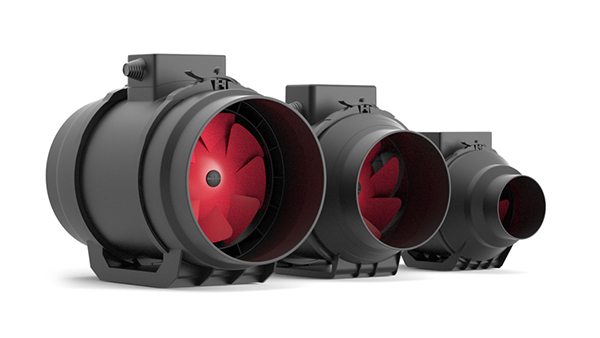
FAQ
What are the main advantages of modern inline duct fan technologies over traditional constant-speed systems?
Modern inline duct fan technologies offer variable speed operation that can reduce energy consumption by 30-50% compared to constant-speed systems. They provide precise airflow control, integration with building management systems, demand-controlled ventilation capabilities, and significantly reduced maintenance requirements through advanced motor technologies and magnetic bearings.
How do energy efficiency regulations influence inline duct fan technology development?
Energy efficiency regulations such as ASHRAE 90.1 mandate minimum efficiency standards and controllability requirements that drive inline duct fan manufacturers to develop EC motor technologies, variable speed drives, and smart control systems. These regulations often require efficiency levels that can only be achieved through advanced technologies, accelerating innovation in the industry.
What role does building automation integration play in inline duct fan performance?
Building automation integration allows inline duct fan systems to coordinate with other building systems such as occupancy sensors, air quality monitors, and HVAC controls for comprehensive energy optimization. This integration enables demand-controlled ventilation, predictive maintenance, centralized monitoring, and automated responses to changing building conditions.
How are indoor air quality concerns affecting inline duct fan technology requirements?
Increased awareness of indoor air quality impacts on health and productivity has led to requirements for higher ventilation rates, more frequent air changes, and integration with advanced filtration systems. Inline duct fan technologies must now provide precise control over airflow rates while maintaining energy efficiency and adapting to real-time air quality measurements from integrated sensor systems.
Table of Contents
- Energy Efficiency Mandates Driving Innovation
- Smart Building Integration and IoT Connectivity
- Motor Technology Advancements and Performance Enhancement
- Air Quality Management and Health Considerations
- Future Technological Directions and Market Evolution
-
FAQ
- What are the main advantages of modern inline duct fan technologies over traditional constant-speed systems?
- How do energy efficiency regulations influence inline duct fan technology development?
- What role does building automation integration play in inline duct fan performance?
- How are indoor air quality concerns affecting inline duct fan technology requirements?