 EN
EN

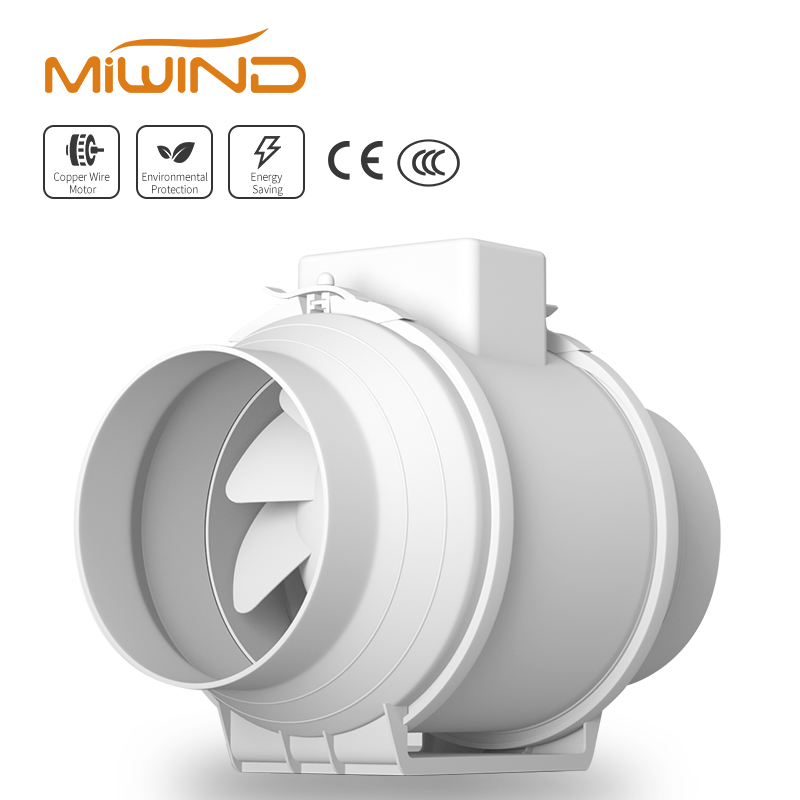
Understanding how inline duct fan systems manage airflow across multiple rooms requires examining their operational mechanics and integration with ventilation networks. These systems operate through strategic placement within ductwork, creating controlled pressure differentials that direct conditioned air to specific zones while maintaining balanced circulation throughout connected spaces.
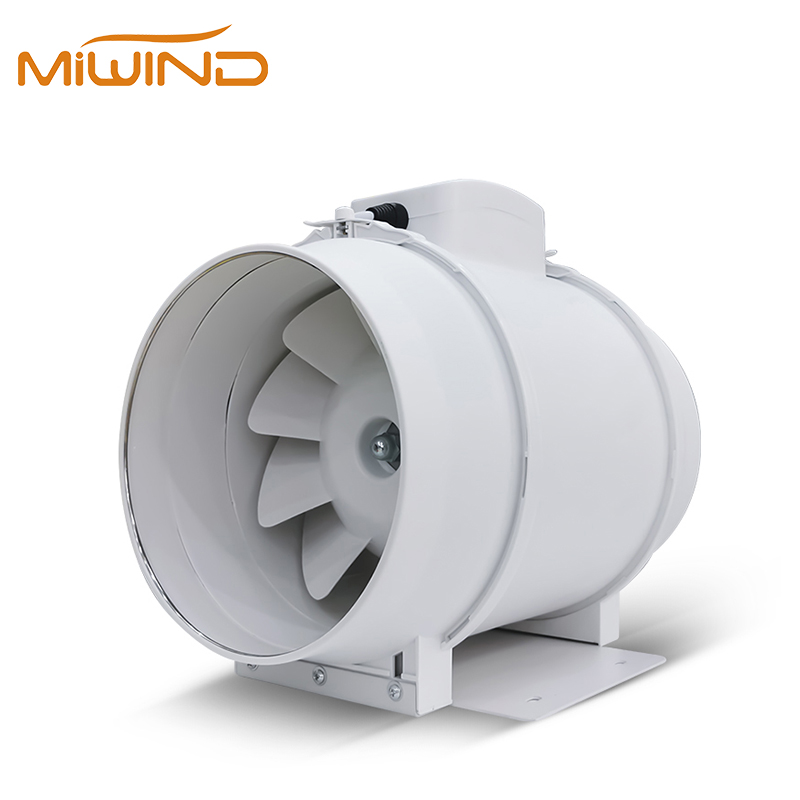
Multi-room ventilation presents unique challenges that traditional single-point exhaust systems cannot effectively address. An inline duct fan system provides distributed airflow management by positioning motorized units at strategic points within the ductwork network, allowing precise control over air movement patterns and maintaining consistent environmental conditions across different zones.
Operational Mechanics of Inline Duct Fan Airflow Distribution
Pressure Zone Management in Multi-Room Systems
Inline duct fan systems create specific pressure zones throughout multi-room ventilation networks by generating localized pressure differentials. Each fan unit positioned within the ductwork acts as a pressure modulation point, increasing static pressure upstream and creating negative pressure downstream relative to its installation position.
The pressure management approach allows individual rooms to receive targeted airflow rates based on their specific ventilation requirements. Rooms requiring higher air change rates receive increased pressure input through dedicated inline duct fan placement, while areas needing minimal ventilation maintain lower pressure differentials.
This pressure-based control system ensures that each connected room receives appropriate airflow volumes regardless of distance from the primary air handling unit or variations in ductwork resistance. The inline duct fan compensates for pressure losses that naturally occur in extended ductwork runs.
Sequential Airflow Routing Through Branch Networks
Multi-room ventilation relies on sequential airflow routing where conditioned air travels through primary trunk lines before branching into individual room connections. Inline duct fan systems enhance this routing by providing boost capability at critical junction points within the network.
Branch network performance depends on maintaining adequate airflow velocity through each distribution path. The inline duct fan maintains this velocity by overcoming static pressure losses that occur at ductwork transitions, bends, and branch takeoffs.
Each branch connection benefits from the upstream pressure boost provided by strategically placed inline duct fan units, ensuring consistent air delivery to end-point rooms regardless of their position within the overall network topology.
Integration Methods for Multi-Zone Ventilation Control
Centralized Control System Integration
Modern inline duct fan systems integrate with centralized building management systems through variable speed controls and sensor feedback networks. This integration allows real-time airflow adjustment based on occupancy patterns, indoor air quality measurements, and thermal load requirements across multiple rooms.
Control system integration enables the inline duct fan to respond automatically to changing ventilation demands without manual intervention. Sensors placed in individual rooms communicate airflow requirements back to the control system, which adjusts fan speeds accordingly.
The centralized approach ensures optimal energy efficiency by operating each inline duct fan only at the speed necessary to maintain target airflow rates in connected zones, reducing overall system energy consumption while maintaining comfort conditions.
Independent Zone Operation Capabilities
Independent zone operation allows individual inline duct fan units to operate based on local conditions rather than system-wide parameters. This operational mode provides maximum flexibility for multi-room applications where different areas have varying occupancy schedules or ventilation requirements.
Each zone equipped with an inline duct fan can maintain its own airflow schedule, operating at reduced capacity during unoccupied periods and increasing output when occupancy sensors detect activity. This independent operation reduces unnecessary energy consumption in unused areas.
Zone-based control also accommodates different air quality requirements across various room types, allowing laboratory spaces, office areas, and storage rooms to maintain appropriate ventilation levels without affecting other connected zones.
Airflow Balancing Techniques in Multi-Room Applications
Static Pressure Optimization Methods
Static pressure optimization in multi-room inline duct fan systems involves calculating and maintaining appropriate pressure levels throughout the distribution network. This process requires understanding the pressure requirements for each room based on its air change rate needs and ductwork resistance characteristics.
Pressure optimization begins with measuring baseline static pressure at various points within the ductwork system. The inline duct fan installation locations are selected based on areas where additional pressure boost will provide maximum benefit to downstream rooms.
Ongoing optimization involves monitoring pressure differentials across the system and adjusting inline duct fan speeds to maintain target pressure levels. This approach ensures consistent airflow delivery to all connected rooms regardless of external factors affecting system performance.
Volume Flow Rate Distribution Control
Volume flow rate distribution control manages the specific airflow quantities delivered to each room within the multi-room ventilation system. Inline duct fan systems achieve this control through coordinated operation of multiple fan units positioned throughout the ductwork network.
Distribution control involves calculating the required airflow volume for each room based on occupancy, space function, and air quality requirements. The inline duct fan units are then configured to provide the necessary boost pressure to achieve these target flow rates.
Balancing techniques include adjusting fan speeds, modifying ductwork damper positions, and coordinating operation schedules to ensure each room receives its designed airflow quantity without negatively impacting other connected zones.
Performance Characteristics in Complex Ventilation Networks
System Response Time and Airflow Adjustment
System response time represents how quickly inline duct fan systems can adjust airflow rates in response to changing conditions across multiple rooms. Fast response times are critical for maintaining indoor air quality during rapid occupancy changes or varying contamination events.
Inline duct fan systems typically achieve response times between 30 seconds and 3 minutes depending on ductwork volume, fan motor characteristics, and control system sophistication. Variable speed motors provide faster response compared to single-speed units with on-off control.
Response performance affects the system's ability to maintain consistent environmental conditions across all connected rooms, particularly during transition periods when ventilation demands change rapidly in some zones while remaining stable in others.
Energy Efficiency in Distributed Airflow Management
Energy efficiency in multi-room inline duct fan applications depends on optimizing fan operation to match actual ventilation needs rather than operating at maximum capacity continuously. Distributed fan placement allows targeted energy use where airflow boost is most needed.
Efficiency improvements result from operating multiple smaller inline duct fan units at optimal points rather than relying on a single large fan to overcome all system resistance. This distributed approach reduces overall energy consumption while maintaining better airflow control.
Advanced inline duct fan systems incorporate energy recovery features and variable speed operation to further improve efficiency, automatically adjusting power consumption based on real-time airflow requirements across the multi-room network.
Installation Considerations for Multi-Room Ventilation Systems
Ductwork Integration and Sizing Requirements
Ductwork integration for inline duct fan systems in multi-room applications requires careful consideration of duct sizing, routing paths, and connection methods. Proper integration ensures optimal airflow distribution while minimizing pressure losses and installation complexity.
Duct sizing must accommodate the inline duct fan dimensions while maintaining appropriate air velocities throughout the system. Oversized ductwork reduces air velocity and system efficiency, while undersized ducts create excessive pressure losses that the inline duct fan must overcome.
Integration planning includes determining optimal fan placement locations, ensuring adequate clearance for maintenance access, and coordinating with other building systems such as electrical distribution and structural elements.
Control System Wiring and Sensor Placement
Control system wiring for multi-room inline duct fan installations requires establishing communication networks between individual fan units, central control panels, and room-based sensors. Proper wiring ensures reliable system operation and enables advanced control features.
Sensor placement strategies involve positioning airflow, pressure, and air quality sensors at locations that provide representative measurements for each controlled zone. Sensors must be accessible for maintenance while remaining protected from damage or interference.
Wiring considerations include power supply requirements for each inline duct fan unit, low-voltage control circuits for speed control and monitoring, and communication cables for integration with building automation systems.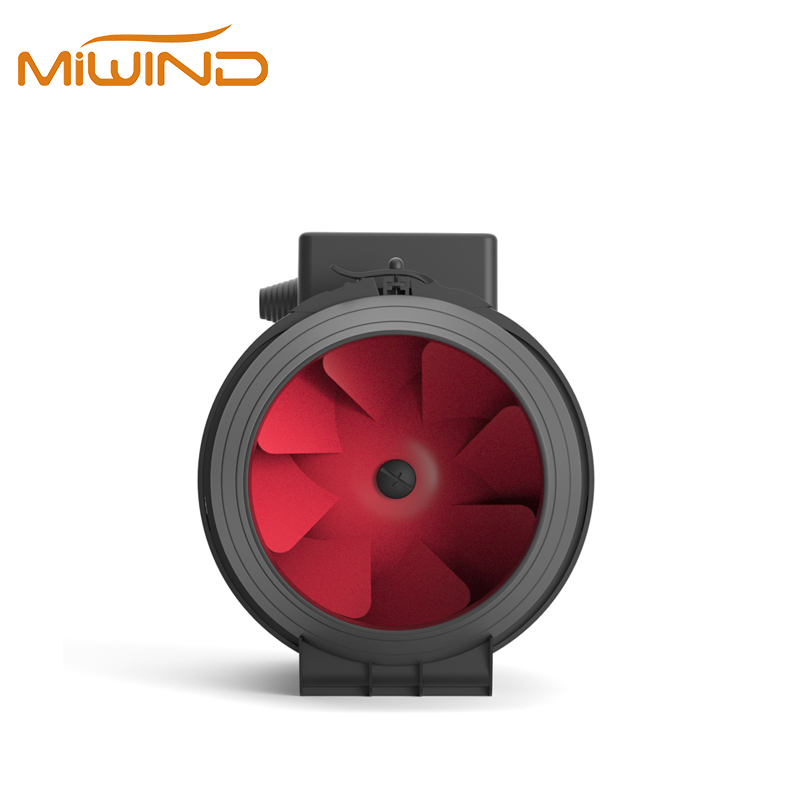
FAQ
Can inline duct fan systems handle different airflow requirements for each room simultaneously?
Yes, inline duct fan systems can manage different airflow requirements across multiple rooms by using independent speed control for each fan unit and strategic placement throughout the ductwork network. Each room's specific ventilation needs are met through targeted pressure boost and flow rate adjustments at the appropriate ductwork locations.
How do inline duct fan systems maintain airflow balance when some rooms require more ventilation than others?
Airflow balance is maintained through coordinated operation of multiple inline duct fan units positioned at strategic points within the ductwork system. Rooms requiring higher ventilation rates receive additional pressure boost from dedicated fan placement, while areas with lower requirements operate with reduced fan speeds or passive airflow distribution.
What happens to airflow distribution if one inline duct fan fails in a multi-room system?
When one inline duct fan fails, the remaining fans in the system typically compensate by increasing their operation levels to maintain overall airflow distribution. However, the rooms directly served by the failed unit may experience reduced airflow until the fan is repaired or replaced, making redundant design considerations important for critical applications.
How do inline duct fan systems adapt to varying occupancy levels across different rooms?
Modern inline duct fan systems adapt to varying occupancy through integration with occupancy sensors and building automation systems. Fan speeds automatically adjust based on detected occupancy levels, increasing airflow when rooms are occupied and reducing operation during vacant periods to optimize energy efficiency while maintaining adequate air quality.
Table of Contents
- Operational Mechanics of Inline Duct Fan Airflow Distribution
- Integration Methods for Multi-Zone Ventilation Control
- Airflow Balancing Techniques in Multi-Room Applications
- Performance Characteristics in Complex Ventilation Networks
- Installation Considerations for Multi-Room Ventilation Systems
-
FAQ
- Can inline duct fan systems handle different airflow requirements for each room simultaneously?
- How do inline duct fan systems maintain airflow balance when some rooms require more ventilation than others?
- What happens to airflow distribution if one inline duct fan fails in a multi-room system?
- How do inline duct fan systems adapt to varying occupancy levels across different rooms?