 EN
EN

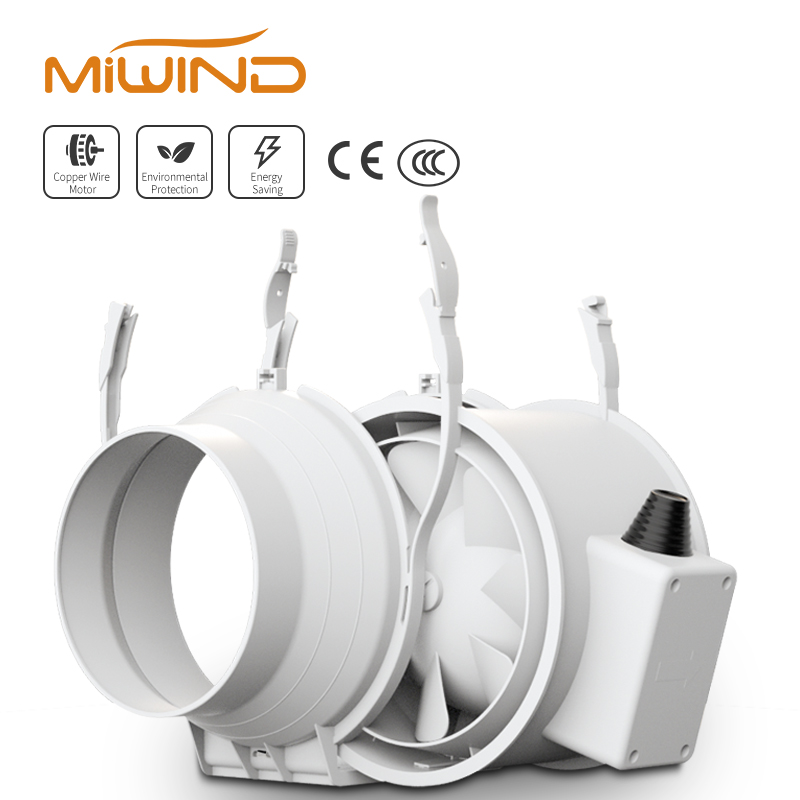
Proper maintenance of an inline duct fan system is essential for ensuring optimal performance, energy efficiency, and extended operational lifespan in commercial and industrial ventilation applications. These ducted ventilation units require specific maintenance protocols that differ significantly from traditional centrifugal or axial fans due to their unique installation characteristics and operational environment. Understanding the comprehensive maintenance requirements for your inline duct fan installation can prevent costly downtime, reduce energy consumption, and maintain consistent airflow performance throughout the system's service life.
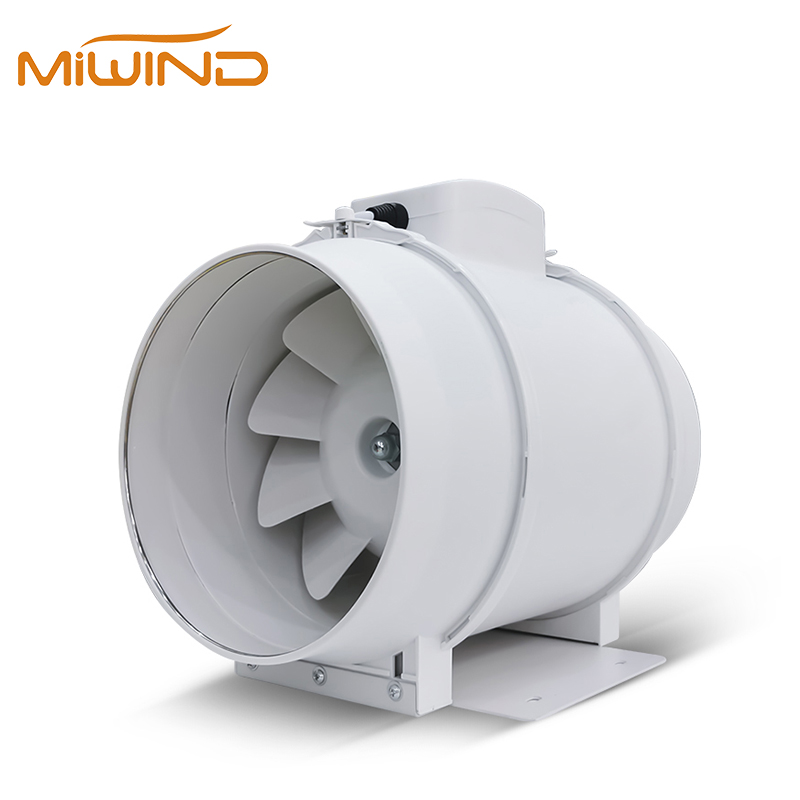
The maintenance considerations for inline duct fan installations encompass multiple critical areas including motor care, impeller inspection, housing integrity, electrical connections, and ductwork compatibility. Each of these maintenance aspects requires careful attention to prevent performance degradation and ensure compliance with safety standards. Regular maintenance scheduling becomes particularly important for inline duct fan systems because their enclosed installation within ductwork makes visual inspection and component access more challenging than exposed fan units.
Motor Maintenance and Electrical System Care
Motor Lubrication and Bearing Maintenance
The motor assembly in an inline duct fan requires regular lubrication maintenance to prevent bearing failure and ensure smooth operation. Most inline duct fan motors utilize permanently lubricated bearings, but inspection intervals should be established to monitor bearing condition and detect early signs of wear or contamination. Temperature monitoring of motor bearings provides valuable insight into lubrication effectiveness and helps identify potential problems before they result in catastrophic failure.
Motor mounting integrity must be checked regularly, as vibration from the inline duct fan operation can gradually loosen mounting hardware and create alignment issues. Proper motor alignment ensures even load distribution across bearings and prevents premature wear. Additionally, motor ventilation openings should be kept clean and unobstructed to maintain adequate cooling airflow and prevent overheating conditions that can damage motor windings.
Electrical Connection Inspection
Electrical connections in inline duct fan installations require periodic inspection to ensure proper termination and prevent electrical faults. Connection points should be checked for signs of corrosion, overheating, or loose terminations that could result in voltage drop or electrical failure. The enclosed nature of inline duct fan installations can create moisture accumulation issues that accelerate electrical component degradation if proper sealing and drainage provisions are not maintained.
Control system components including variable frequency drives, contactors, and protection devices should be included in electrical maintenance schedules. These components directly affect inline duct fan performance and require regular calibration and testing to ensure proper operation. Power quality monitoring can identify electrical supply issues that may impact motor performance and contribute to premature component failure.
Impeller and Airflow Component Maintenance
Impeller Cleaning and Inspection
The impeller assembly of an inline duct fan requires regular cleaning to maintain aerodynamic efficiency and prevent performance degradation caused by contamination buildup. Dust, debris, and other airborne particles can accumulate on impeller blades, creating imbalance conditions that increase vibration and reduce airflow capacity. Cleaning frequency depends on the specific application environment, with higher contamination levels requiring more frequent maintenance intervals.
Impeller balance verification should be performed whenever cleaning reveals significant contamination or when vibration levels indicate potential imbalance issues. An unbalanced inline duct fan impeller creates excessive vibration that can damage bearings, loosen mounting hardware, and create noise problems. Professional balancing services may be required if field cleaning cannot restore acceptable vibration levels.
Blade Condition and Wear Assessment
Regular inspection of impeller blades helps identify wear patterns, erosion damage, or corrosion that can affect inline duct fan performance. Blade trailing edge condition is particularly important for maintaining aerodynamic efficiency and preventing turbulence that reduces overall system performance. Minor blade damage can often be repaired through professional reconditioning, while severe damage may require impeller replacement.
Clearance between impeller blades and the inline duct fan housing should be verified during maintenance inspections. Excessive clearance allows air recirculation that reduces efficiency, while insufficient clearance can result in blade contact and damage. Proper clearance maintenance ensures optimal performance and prevents costly component damage from mechanical interference.
Housing Integrity and Structural Maintenance
Housing Inspection and Cleaning
The housing of an inline duct fan must be inspected regularly for structural integrity, corrosion, and contamination buildup that can affect performance and safety. Housing materials should be evaluated for signs of degradation that could compromise containment or create safety hazards. Stainless steel and coated steel housings require different maintenance approaches based on their corrosion resistance characteristics and application environment exposure.
Internal housing surfaces should be cleaned to remove accumulated debris that can create turbulence and reduce airflow efficiency. Access panels and inspection ports must be properly sealed after maintenance to prevent air leakage that compromises system performance. Gasket condition at housing joints should be verified to ensure proper sealing and prevent unwanted air infiltration or exfiltration.
Vibration Isolation and Mounting System
Vibration isolation components in inline duct fan installations require regular inspection and replacement to maintain effective vibration control and prevent structural damage. Rubber isolators can deteriorate over time due to environmental exposure, temperature cycling, and chemical exposure, reducing their effectiveness and allowing excessive vibration transmission to building structures.
Mounting hardware should be inspected for proper torque and signs of fatigue or corrosion that could compromise structural integrity. Spring isolators require periodic adjustment to maintain proper deflection and isolation performance. The mounting system must adequately support the inline duct fan weight while providing necessary vibration isolation and allowing for thermal expansion.
Ductwork Integration and System Performance
Ductwork Connection Maintenance
The connection between an inline duct fan and the surrounding ductwork requires regular inspection to ensure proper sealing and structural integrity. Flexible connections that accommodate thermal expansion and vibration isolation can deteriorate over time and require replacement to maintain system performance. Rigid ductwork connections must be checked for alignment and stress that could affect fan performance or create structural problems.
Ductwork support systems near the inline duct fan installation should be inspected to ensure adequate support and prevent sagging or misalignment that could create stress on fan connections. Access provisions for fan maintenance must be maintained and kept clear to enable proper service procedures. Insulation integrity around the fan installation affects both thermal performance and condensation control.
Airflow Performance Monitoring
Regular airflow measurement helps identify performance degradation in inline duct fan systems before it becomes critical. Pressure measurements at standardized locations provide baseline data for comparing performance over time and identifying maintenance needs. Flow measurement techniques should account for the specific characteristics of inline duct fan installations and provide accurate data for performance evaluation.
System resistance changes can significantly impact inline duct fan performance, making regular system evaluation important for maintaining design airflow rates. Filter loading, ductwork contamination, and external factors can increase system resistance and reduce fan performance. Performance trending helps establish optimal maintenance intervals and identify system modifications that may be needed to maintain design performance.
Preventive Maintenance Scheduling and Documentation
Maintenance Interval Development
Establishing appropriate maintenance intervals for inline duct fan installations requires consideration of operating hours, environmental conditions, and performance requirements. High-duty applications may require more frequent maintenance than intermittent service installations. Environmental factors such as contamination levels, temperature extremes, and humidity exposure significantly influence maintenance frequency requirements.
Condition-based maintenance strategies can optimize maintenance timing by monitoring key performance indicators rather than relying solely on time-based intervals. Vibration monitoring, temperature measurement, and power consumption trending provide early warning of developing problems and help optimize maintenance timing. Predictive maintenance techniques can reduce both maintenance costs and unplanned downtime.
Documentation and Record Keeping
Comprehensive maintenance documentation provides essential information for troubleshooting problems, planning maintenance activities, and optimizing system performance. Maintenance records should include inspection findings, component replacements, performance measurements, and any modifications made to the inline duct fan system. Digital documentation systems can improve accessibility and provide better data analysis capabilities.
Performance trending data helps identify gradual degradation that might not be apparent during individual maintenance inspections. Historical maintenance records provide valuable insight into component life expectancy and help optimize spare parts inventory. Warranty documentation and service history should be maintained to support warranty claims and ensure compliance with manufacturer requirements.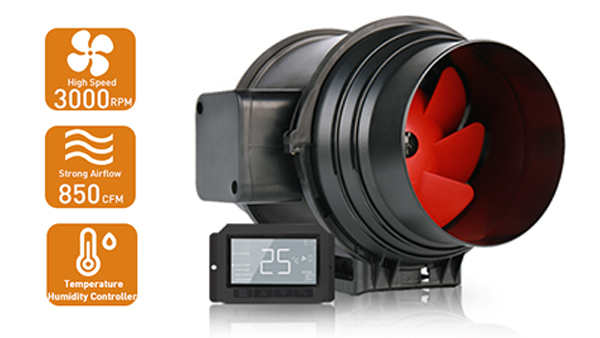
FAQ
How often should an inline duct fan be inspected for maintenance?
Inline duct fan inspection frequency depends on operating conditions and duty cycle, but typically ranges from quarterly inspections for critical applications to annual inspections for standard commercial installations. High-contamination environments or continuous operation may require monthly visual inspections with quarterly detailed maintenance. Establishing a baseline through initial frequent inspections helps determine optimal intervals for specific applications.
What are the most common maintenance issues with inline duct fan installations?
The most common maintenance issues include impeller contamination and imbalance, motor bearing wear, electrical connection deterioration, and vibration isolation component degradation. Ductwork misalignment and inadequate access for maintenance are also frequent problems. Regular preventive maintenance can prevent most of these issues from becoming critical failures that require emergency repairs.
Can inline duct fan maintenance be performed without removing the unit from the ductwork?
Many inline duct fan maintenance tasks can be performed in-place through access panels and inspection ports, including visual inspection, cleaning, lubrication, and electrical checks. However, major repairs such as impeller replacement or motor service typically require unit removal. Proper access design during installation significantly affects maintenance efficiency and should include adequate clearance and removable ductwork sections where necessary.
What safety precautions are required during inline duct fan maintenance?
Inline duct fan maintenance requires lockout/tagout procedures to prevent accidental energization, confined space entry precautions when working in ductwork, and proper ventilation to prevent exposure to hazardous atmospheres. Personal protective equipment including respiratory protection may be required depending on the application environment. Fall protection and proper lifting equipment should be used when accessing elevated installations or handling heavy components.
Table of Contents
- Motor Maintenance and Electrical System Care
- Impeller and Airflow Component Maintenance
- Housing Integrity and Structural Maintenance
- Ductwork Integration and System Performance
- Preventive Maintenance Scheduling and Documentation
-
FAQ
- How often should an inline duct fan be inspected for maintenance?
- What are the most common maintenance issues with inline duct fan installations?
- Can inline duct fan maintenance be performed without removing the unit from the ductwork?
- What safety precautions are required during inline duct fan maintenance?