 EN
EN

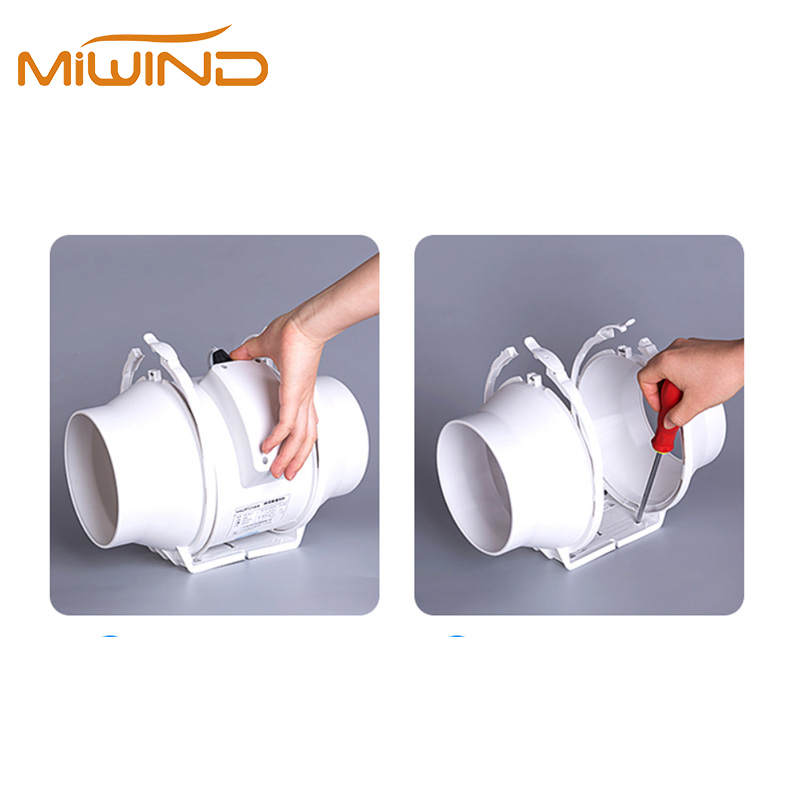
Commercial ventilation projects face unique challenges that require sophisticated airflow management solutions. Among the various ventilation technologies available, inline duct fan systems have emerged as a preferred choice for building engineers and HVAC contractors working on large-scale commercial installations. These systems offer distinct advantages over traditional ventilation approaches, particularly in environments where space optimization, energy efficiency, and precise airflow control are critical requirements.
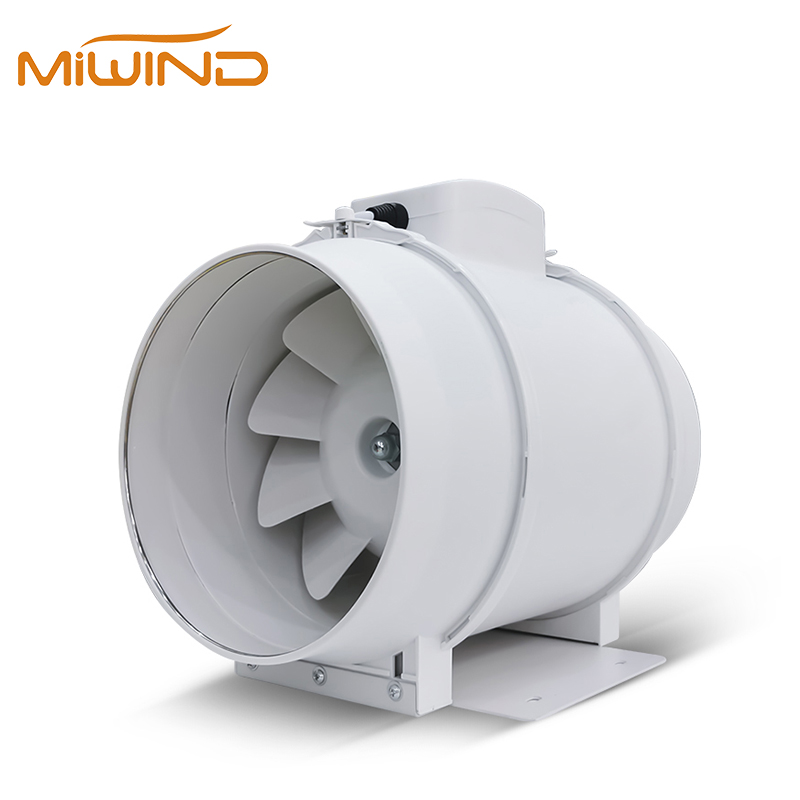
Understanding why commercial projects rely on inline duct fan technology requires examining the specific operational demands of modern commercial buildings. These facilities often feature complex layouts, varying occupancy levels, and stringent air quality standards that traditional ventilation methods struggle to address effectively. The strategic implementation of inline duct fan solutions addresses these challenges while providing measurable benefits in terms of installation flexibility, maintenance efficiency, and long-term operational performance.
Space Optimization and Installation Efficiency
Compact Design Benefits in Commercial Environments
Commercial buildings frequently operate under severe space constraints, particularly in urban environments where every square foot carries significant value. An inline duct fan provides a solution that maximizes available space while maintaining effective ventilation performance. Unlike bulky traditional fan units that require dedicated mechanical rooms or extensive ceiling cavities, these systems integrate directly into existing ductwork, eliminating the need for additional structural modifications or space allocations.
The streamlined profile of inline duct fan units allows installation in tight spaces such as wall cavities, above suspended ceilings, or within existing HVAC chases. This spatial efficiency proves particularly valuable in retrofit projects where existing buildings must accommodate modern ventilation standards without compromising usable floor space. Commercial property developers increasingly recognize this advantage when planning multi-tenant buildings or converting older structures for contemporary commercial use.
Simplified Installation Process
Installation efficiency represents another compelling reason why commercial projects favor inline duct fan solutions. These systems typically require fewer connection points and support structures compared to traditional fan configurations. The inline design allows direct integration with existing ductwork using standard connection methods, reducing labor requirements and installation timeframes.
Commercial contractors appreciate the reduced complexity of inline duct fan installations, which translates to lower labor costs and faster project completion schedules. This efficiency becomes particularly important in commercial environments where construction delays can result in significant financial penalties or lost revenue opportunities. The straightforward installation process also minimizes disruption to ongoing business operations when implementing ventilation upgrades in occupied buildings.
Enhanced Airflow Control and Distribution
Precise Airflow Management
Commercial ventilation projects often require sophisticated airflow control to maintain optimal indoor air quality across diverse zones and usage patterns. An inline duct fan system provides the precise control necessary to achieve these demanding performance standards. The direct integration with ductwork allows for immediate airflow response to changing conditions, ensuring consistent ventilation performance throughout the commercial space.
The positioning of inline duct fan units within the ventilation system enables targeted airflow management for specific building zones. This capability proves essential in commercial buildings with varying occupancy densities, such as office complexes with conference rooms, retail spaces, or mixed-use developments. Building operators can adjust ventilation levels for individual areas without affecting the entire system, optimizing energy consumption while maintaining comfort and air quality standards.
Improved Air Distribution Efficiency
Traditional ventilation systems often struggle with uneven air distribution, leading to hot spots, dead zones, or inadequate air circulation in certain areas. Inline duct fan technology addresses these issues by providing consistent pressure boost at strategic points within the ductwork system. This approach ensures uniform air distribution throughout the commercial space, eliminating common ventilation problems that can affect occupant comfort and building performance.
The strategic placement of multiple inline duct fan units allows building designers to create balanced ventilation systems that accommodate complex architectural layouts. This flexibility proves particularly valuable in commercial buildings with irregular floor plans, multiple levels, or specialized areas requiring different ventilation rates. The ability to customize airflow patterns enhances overall system performance while reducing energy waste associated with over-ventilation or compensation for poor air distribution.
Energy Efficiency and Operational Cost Benefits
Reduced Energy Consumption
Energy efficiency considerations drive many commercial ventilation decisions, particularly as building codes become more stringent and operating costs continue to rise. Inline duct fan systems offer significant energy advantages over traditional ventilation approaches by eliminating many inefficiencies associated with centralized fan systems. The distributed nature of inline duct fan installations reduces pressure losses through long ductwork runs, allowing each unit to operate at optimal efficiency levels.
Commercial building operators report substantial energy savings when transitioning to inline duct fan systems, particularly in large facilities where traditional centralized systems must work against significant static pressure. The ability to operate multiple smaller units instead of single large fans provides opportunities for variable operation based on actual ventilation demands. This flexibility enables significant energy reductions during periods of lower occupancy or reduced ventilation requirements.
Lower Maintenance Requirements
Maintenance considerations play a crucial role in commercial ventilation system selection, as unexpected downtime can disrupt business operations and generate significant costs. Inline duct fan units typically feature simpler mechanical designs with fewer moving parts compared to complex centralized systems. This simplicity translates to reduced maintenance requirements and lower long-term operational costs for commercial building owners.
The distributed nature of inline duct fan systems also provides operational redundancy that enhances system reliability. When one unit requires maintenance or experiences issues, other units can continue operating to maintain ventilation in unaffected areas. This redundancy minimizes the risk of complete system shutdowns that could force business closures or compromise indoor air quality throughout the entire commercial space.
Compliance and Performance Standards
Meeting Commercial Building Codes
Commercial buildings must comply with increasingly stringent ventilation codes and indoor air quality standards. Inline duct fan systems provide the precise control necessary to meet these requirements while maintaining documentation for regulatory compliance. The ability to measure and adjust airflow at multiple points within the system enables building operators to demonstrate compliance with ventilation rates, air changes, and other performance metrics required by commercial building codes.
Building inspectors and commissioning agents increasingly recognize the advantages of inline duct fan systems for achieving and maintaining code compliance. The technology provides clear airflow measurement points and allows for system adjustments without major modifications to building infrastructure. This capability proves particularly valuable for commercial buildings seeking LEED certification or other green building designations that require demonstrated ventilation performance.
Adaptability to Changing Requirements
Commercial buildings often experience changing use patterns, occupancy levels, or tenant requirements that affect ventilation needs. Inline duct fan systems provide the adaptability necessary to accommodate these changes without requiring complete system redesign or replacement. Building owners can modify ventilation patterns by adjusting fan speeds, adding units, or reconfiguring ductwork connections to meet evolving requirements.
This adaptability extends the useful life of commercial ventilation investments while providing flexibility for future building modifications. Property managers report significant cost savings when tenant improvements or building renovations can utilize existing inline duct fan infrastructure rather than requiring complete ventilation system replacement. The modular nature of these systems supports incremental improvements and expansions that align with building development timelines and budget constraints.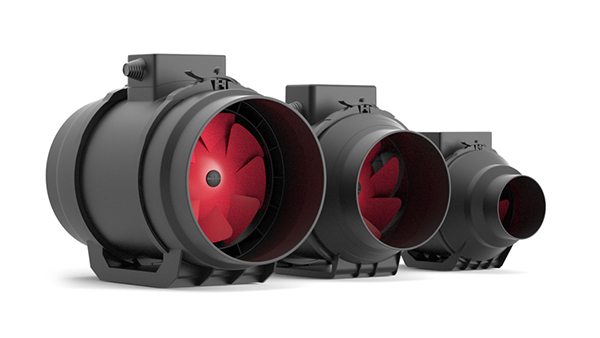
FAQ
What makes inline duct fan systems more suitable for commercial buildings than residential applications?
Commercial buildings typically require higher airflow volumes, more precise control, and greater system reliability compared to residential applications. Inline duct fan systems excel in these demanding environments because they can handle larger air volumes while providing the zone-level control necessary for commercial spaces with varying occupancy and usage patterns. The redundancy and scalability of these systems also better suit the complex operational requirements of commercial facilities.
How do inline duct fan systems impact overall HVAC system design in commercial projects?
Inline duct fan technology allows HVAC designers to create more efficient and flexible ventilation systems by reducing reliance on large centralized fans and extensive ductwork. This approach enables smaller, more responsive systems that can adapt to changing building conditions while reducing energy consumption. The design flexibility also permits better integration with other HVAC components and building automation systems for optimized performance.
What are the typical payback periods for commercial inline duct fan installations?
Commercial inline duct fan systems typically achieve payback periods of 2-5 years through reduced energy consumption, lower maintenance costs, and improved system efficiency. The exact payback period depends on factors such as local energy costs, building occupancy patterns, and existing ventilation system condition. Buildings with high energy costs or demanding ventilation requirements often experience shorter payback periods due to greater operational savings.
Can existing commercial ventilation systems be upgraded with inline duct fan technology?
Most existing commercial ventilation systems can accommodate inline duct fan upgrades with minimal modifications to existing infrastructure. The key requirements include adequate ductwork sizing, appropriate electrical supply, and sufficient access for installation and maintenance. Retrofit projects often provide excellent opportunities to improve ventilation performance while addressing existing system deficiencies without complete replacement.
Table of Contents
- Space Optimization and Installation Efficiency
- Enhanced Airflow Control and Distribution
- Energy Efficiency and Operational Cost Benefits
- Compliance and Performance Standards
-
FAQ
- What makes inline duct fan systems more suitable for commercial buildings than residential applications?
- How do inline duct fan systems impact overall HVAC system design in commercial projects?
- What are the typical payback periods for commercial inline duct fan installations?
- Can existing commercial ventilation systems be upgraded with inline duct fan technology?