 EN
EN

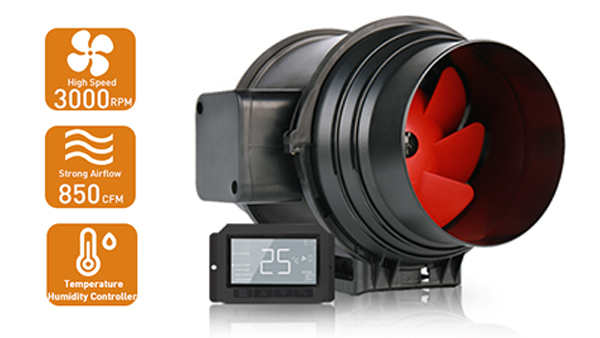
The placement of an inline duct fan within your HVAC system fundamentally determines how effectively your ventilation network operates, directly impacting airflow distribution, energy consumption, and overall system efficiency. Strategic positioning of these cylindrical ventilation devices can mean the difference between optimal air movement and costly performance degradation across residential and commercial applications.
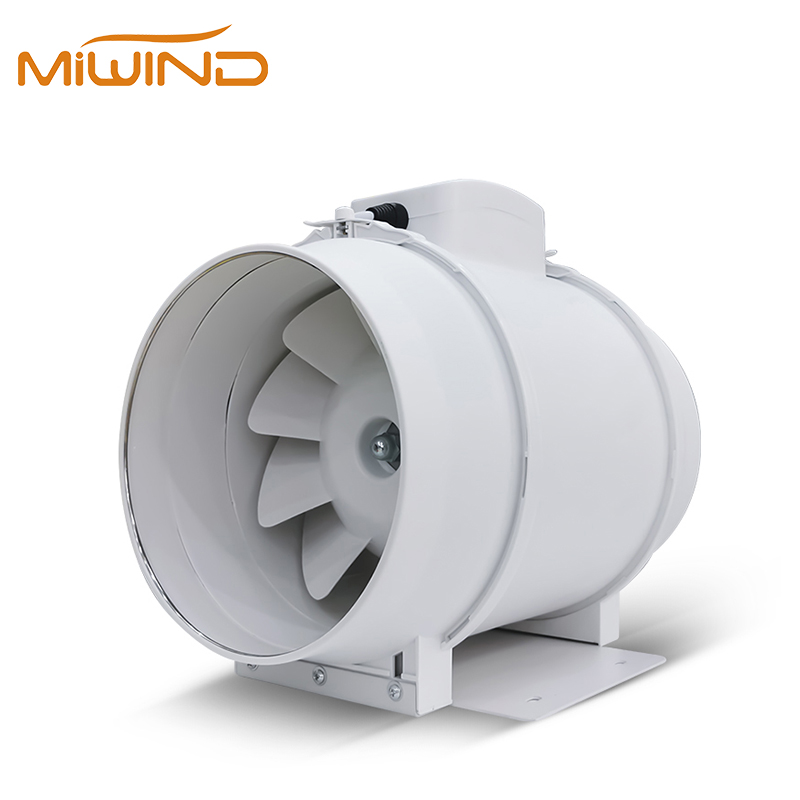
Understanding the mechanical principles behind inline duct fan positioning involves analyzing how fan curves, static pressure relationships, and ductwork configuration interact to create optimal airflow patterns. The location where you install your inline duct fan affects everything from motor efficiency to noise generation, making placement decisions critical for achieving desired ventilation outcomes while minimizing operational costs.
How Fan Position Affects Static Pressure Distribution
Upstream Versus Downstream Pressure Dynamics
When an inline duct fan operates within a ductwork system, its position relative to restrictions, bends, and outlets creates distinct pressure zones that influence overall performance characteristics. Installing the fan upstream of major restrictions allows it to push air through obstacles, creating positive pressure zones that help overcome resistance but may lead to air leakage at duct joints.
Conversely, positioning the inline duct fan downstream of restrictions creates negative pressure zones that pull air through the system, reducing the likelihood of air leakage but potentially causing ductwork collapse if static pressures become too negative. The choice between push and pull configurations depends on your specific application requirements and acceptable trade-offs between efficiency and system integrity.
Understanding these pressure dynamics becomes crucial when designing systems that must maintain consistent airflow across varying load conditions. The inline duct fan placement directly influences how static pressure builds up or dissipates throughout the ductwork, affecting the fan's ability to operate within its optimal efficiency range.
Impact on System Resistance Curves
The system resistance curve changes significantly based on where you position your inline duct fan within the ductwork network. When the fan is placed early in the system, it must overcome the cumulative resistance of all downstream components, potentially operating at higher static pressures that reduce volumetric efficiency.
Positioning the fan closer to the end of the ductwork run allows it to work against lower system resistance, potentially improving energy efficiency but requiring careful consideration of upstream pressure losses. This positioning strategy becomes particularly important in long ductwork runs where friction losses accumulate substantially.
The interaction between fan curves and system curves varies with placement, affecting the operating point where your inline duct fan will naturally settle during operation. Optimizing this interaction through strategic placement can significantly improve both energy consumption and airflow delivery.
Airflow Pattern Development Through Strategic Positioning
Velocity Profile Formation
The velocity profile that develops downstream of an inline duct fan depends heavily on installation location and the distance available for flow development. When positioned too close to elbows or transitions, the fan creates turbulent flow patterns that increase pressure losses and reduce system efficiency.
Proper spacing between the inline duct fan and downstream fittings allows the velocity profile to fully develop, creating more uniform airflow distribution that improves heat transfer and reduces noise generation. Industry standards typically recommend maintaining at least five duct diameters of straight run downstream of the fan for optimal flow development.
The upstream conditions also significantly influence how the inline duct fan performs, with sharp transitions or inadequate straight run distances causing flow separation and reducing fan efficiency. These placement considerations become critical in retrofit applications where space constraints limit optimal positioning options.
Branch Flow Distribution
In systems with multiple branches, inline duct fan placement determines how airflow distributes among different zones or outlets. Positioning the fan in the main trunk line before branch takeoffs provides more balanced flow distribution compared to installation in individual branches.
However, when specific zones require boosted airflow, installing an inline duct fan in individual branches allows targeted performance enhancement without affecting other system areas. This approach proves particularly valuable in renovation projects where existing ductwork limits main trunk modifications.
The pressure relationships created by fan placement also influence how dampers and other flow control devices function throughout the system. Strategic positioning can enhance or compromise the effectiveness of these components, making placement decisions crucial for overall system controllability.
Energy Efficiency Considerations in Fan Placement
Motor Loading and Efficiency Curves
The electrical efficiency of an inline duct fan varies significantly with operating point, which is directly influenced by installation position within the ductwork system. Fans operating at higher static pressures due to suboptimal placement consume more power while delivering less airflow, reducing overall system efficiency.
Positioning the inline duct fan where it can operate closer to its peak efficiency point on the performance curve reduces energy consumption and extends motor life. This optimization becomes increasingly important in continuous-operation applications where small efficiency improvements translate to substantial energy savings over time.
Temperature considerations also affect motor efficiency, with placement in high-temperature zones reducing motor life and increasing power consumption. Strategic positioning that avoids excessive heat exposure while maintaining optimal airflow characteristics requires careful analysis of both thermal and aerodynamic factors.
System-Wide Energy Balance
The total energy consumption of a ventilation system depends on how the inline duct fan placement affects other system components, including heating and cooling equipment. Poor fan positioning can force HVAC equipment to work harder to maintain desired conditions, negating any direct fan efficiency gains.
Optimizing fan placement for system-wide energy efficiency often involves trade-offs between fan power consumption and thermal equipment loading. Understanding these interactions helps identify placement strategies that minimize total energy consumption rather than focusing solely on fan efficiency.
Variable speed drive integration also influences optimal placement decisions, as fans operating under speed control may perform better at different system positions compared to constant-speed units. The interaction between fan placement and control strategies becomes crucial for achieving maximum energy efficiency in modern HVAC systems.
Installation Environment and Performance Interactions
Temperature and Humidity Effects
The local environment where you install an inline duct fan significantly affects its performance characteristics and longevity. High-temperature installations reduce motor efficiency and may require derating of fan capacity, while humid environments can cause corrosion and bearing problems that compromise long-term reliability.
Positioning the inline duct fan in conditioned spaces versus unconditioned areas creates different operational challenges and opportunities. Conditioned space installation provides more stable operating conditions but may transfer fan noise to occupied areas, requiring careful acoustic design consideration.
Condensation management becomes critical when the inline duct fan operates in applications with significant temperature differences between supply and ambient air. Strategic placement that minimizes condensation formation while maintaining aerodynamic performance requires understanding of psychrometric relationships and local climate conditions.
Maintenance Access and Serviceability
The accessibility of an inline duct fan for routine maintenance and service directly impacts its long-term performance and reliability. Placement in difficult-to-reach locations often leads to deferred maintenance that compromises system efficiency and increases failure risk.
Positioning considerations must balance aerodynamic optimization with practical service requirements, ensuring that motor lubrication, filter changes, and component inspections can be performed safely and efficiently. This balance becomes particularly important in commercial applications where maintenance scheduling affects building operations.
The inline duct fan installation location also influences the type and extent of maintenance required, with some positions exposing the unit to more contamination or wear than others. Understanding these factors during the design phase helps establish appropriate maintenance schedules and procedures.
System Integration and Control Implications
Sensor Placement and Control Response
The location of an inline duct fan relative to system sensors affects how quickly and accurately the control system can respond to changing conditions. Positioning sensors too close to the fan may result in measurement errors due to local turbulence, while placing them too far away creates response delays that compromise system performance.
Temperature and pressure sensors require specific placement relative to the inline duct fan to provide meaningful feedback for system control. Understanding the flow and thermal development patterns downstream of the fan helps identify optimal sensor locations that ensure accurate measurement and responsive control.
Integration with building automation systems also depends on fan placement, as different positions may require different control strategies to maintain desired performance levels. The interaction between fan placement and control algorithms becomes crucial for achieving optimal system operation across varying load conditions.
Multiple Fan Coordination
In systems with multiple inline duct fan units, the relative positioning affects how these fans interact and whether they work together efficiently or create interference patterns. Proper spacing and positioning ensure that pressure fields from different fans complement rather than oppose each other.
Series versus parallel fan arrangements create different performance characteristics that influence optimal placement strategies. Understanding these relationships helps designers select positioning approaches that maximize the benefits of multiple fan installation while avoiding common pitfalls that reduce system effectiveness.
Control coordination between multiple inline duct fan units requires careful consideration of placement effects on system dynamics. The positioning of each fan influences how quickly the system responds to control signals and how stable the overall operation remains under varying conditions.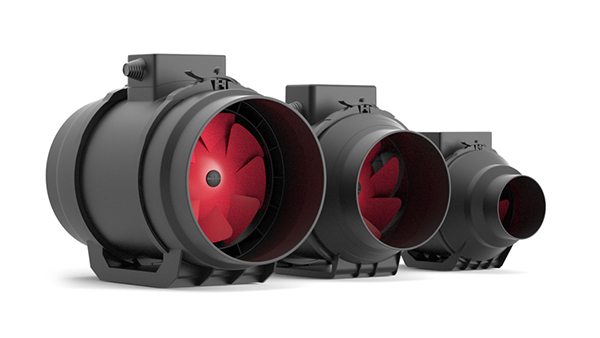
FAQ
What is the optimal distance between an inline duct fan and the nearest fitting?
The optimal distance requires at least three duct diameters upstream and five duct diameters downstream of the inline duct fan for proper flow development. This spacing minimizes turbulence and pressure losses while ensuring the fan operates efficiently. In space-constrained installations, flow straighteners or turning vanes can help reduce required distances.
Can inline duct fan placement affect noise levels in the building?
Yes, fan placement significantly influences noise transmission throughout the ductwork system. Installing the inline duct fan further from occupied spaces and using vibration isolation mounts reduces noise transmission. Positioning the fan away from hard elbows and transitions also minimizes turbulence-generated noise that propagates through the system.
How does fan placement impact system balancing and commissioning?
Strategic inline duct fan placement simplifies system balancing by creating more predictable pressure relationships throughout the ductwork. Fans positioned to work with natural pressure gradients require less adjustment during commissioning. Poor placement can make balancing difficult and may require additional dampers or flow control devices to achieve desired performance.
Should inline duct fans be placed before or after air handling units?
The optimal position depends on system requirements, but generally, placing the inline duct fan downstream of air handling units provides better control and reduces interaction with other equipment. This positioning allows the fan to boost airflow where needed without interfering with heating, cooling, or filtration processes occurring upstream in the air handling unit.