 EN
EN

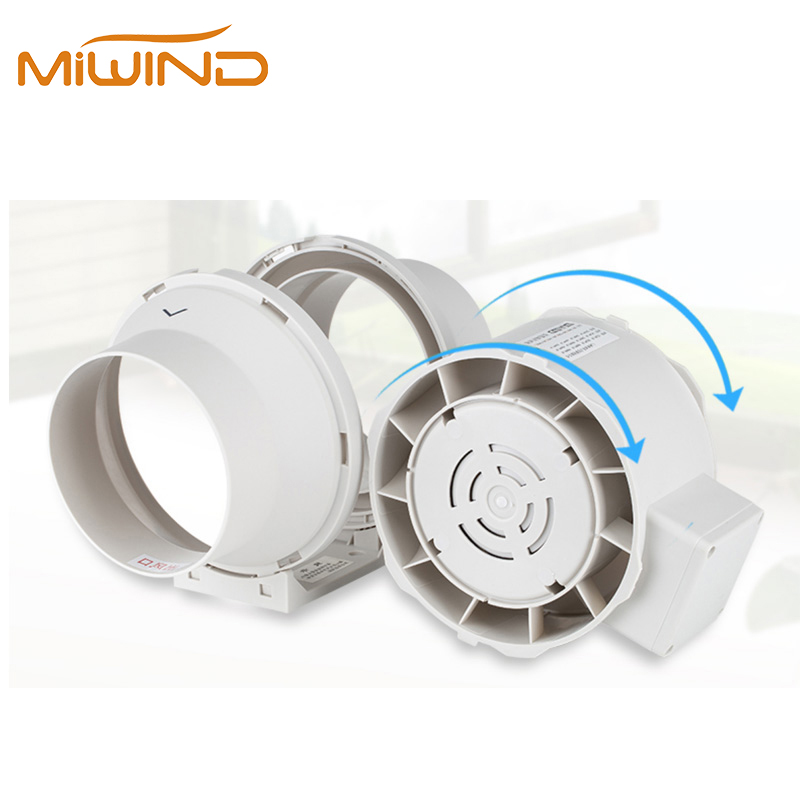
Balanced air distribution stands as the cornerstone of effective HVAC system performance, ensuring that conditioned air reaches every corner of a building with proper velocity and pressure. An inline duct fan operates as a critical component within this framework, strategically positioned inside ductwork to enhance airflow dynamics and overcome resistance challenges that naturally occur in complex ventilation systems.
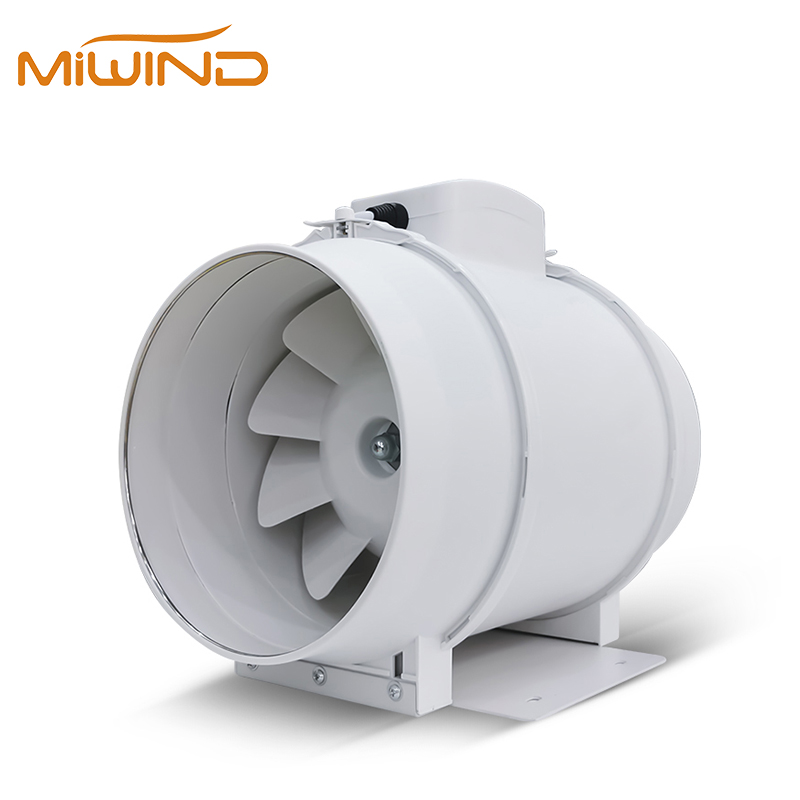
Understanding how inline duct fan technology supports balanced air distribution requires examining the mechanical principles, installation strategies, and operational dynamics that enable these devices to maintain consistent airflow throughout extended ductwork networks. These specialized fans address pressure losses, compensate for design limitations, and provide the supplemental force necessary to achieve uniform air delivery across multiple zones and terminals.
Mechanical Principles Behind Inline Duct Fan Operation
Pressure Dynamics and Airflow Enhancement
An inline duct fan fundamentally operates by creating additional static pressure within the ductwork system, compensating for friction losses that occur as air travels through extended runs of ducting, fittings, and terminals. This pressure boost mechanism ensures that air maintains sufficient velocity to reach distant zones without compromising the overall system balance.
The centrifugal or axial design of these fans generates the necessary pressure differential to overcome resistance factors including duct length, bend configurations, filter loading, and terminal equipment pressure drops. By strategically increasing system pressure at key points, the inline duct fan prevents the natural pressure decay that would otherwise result in uneven air distribution.
Modern inline duct fan units incorporate variable speed controls that allow for precise adjustment of airflow rates based on real-time system demands. This capability enables dynamic balancing where the fan output adjusts automatically to maintain consistent air delivery despite changing conditions such as filter loading or varying zone requirements.
Integration with Existing Ductwork Systems
The installation methodology of an inline duct fan directly impacts its effectiveness in supporting balanced air distribution. These units mount directly within the ductwork, creating a seamless integration that minimizes turbulence while maximizing pressure gain efficiency.
Proper sizing calculations consider the existing ductwork characteristics, including cross-sectional area, surface roughness, and configuration complexity. The inline duct fan must generate sufficient pressure rise to overcome downstream resistance while avoiding excessive velocity that could create noise or pressure imbalances in adjacent zones.
Installation positioning becomes critical for optimal performance, with fans typically placed upstream of major distribution points or in long duct runs where pressure losses accumulate significantly. The mounting configuration must account for access requirements for maintenance while ensuring structural support adequate for the fan's operational forces.
Strategic Placement for Maximum Air Distribution Efficiency
Zone-Based Installation Strategies
Effective placement of an inline duct fan requires comprehensive analysis of the building's air distribution zones and their respective pressure requirements. Each zone presents unique challenges based on distance from the main air handling unit, terminal equipment types, and occupancy patterns that influence air change requirements.
Multi-zone systems benefit from strategically positioned inline duct fan units that serve as pressure boosting stations for specific areas requiring enhanced airflow. This approach allows for independent control of air delivery to different building sections without compromising the performance of adjacent zones.
The fan placement strategy must consider the interaction between multiple units when several inline duct fan installations operate within the same system. Coordination between fan speeds and operational schedules prevents pressure conflicts that could disrupt the overall air distribution balance.
Ductwork Configuration Considerations
The geometric characteristics of the ductwork network significantly influence where an inline duct fan can most effectively support balanced air distribution. Long horizontal runs, vertical risers, and complex routing patterns each present specific resistance profiles that require targeted pressure enhancement.
Branch takeoff locations downstream of the fan installation affect the pressure distribution pattern, with closer branches receiving proportionally higher pressure unless proper damping or flow control measures are implemented. The inline duct fan positioning must account for these distribution patterns to ensure uniform air delivery across all terminals.
Duct sizing transitions near the fan location require careful design to minimize pressure losses that could negate the benefits of the pressure boost. Gradual transitions and proper expansion ratios maintain the efficiency gains provided by the inline duct fan installation.
Performance Optimization and Control Strategies
Variable Speed Control Implementation
Modern inline duct fan systems incorporate sophisticated control strategies that optimize air distribution performance while minimizing energy consumption. Variable frequency drives enable precise speed modulation based on real-time pressure measurements and airflow demand signals throughout the distribution network.
The control algorithm typically monitors static pressure at multiple points downstream of the fan to maintain consistent pressure levels regardless of system loading conditions. This approach ensures that air distribution remains balanced even as filters load, dampers adjust, or occupancy patterns change throughout the building.
Advanced control systems can integrate multiple inline duct fan units within a coordinated network, allowing for systematic optimization of air distribution across large facilities. The coordinated operation prevents individual fans from working against each other while maintaining overall system balance.
Monitoring and Diagnostic Capabilities
Contemporary inline duct fan installations include comprehensive monitoring systems that track performance parameters critical to maintaining balanced air distribution. Pressure sensors, flow meters, and vibration monitors provide continuous feedback on fan operation and system performance.
Diagnostic capabilities enable early detection of issues that could compromise air distribution balance, such as bearing wear, impeller imbalance, or duct blockages that increase system resistance. Predictive maintenance algorithms can identify developing problems before they impact air distribution performance.
Data logging functionality allows facility managers to analyze air distribution patterns over time, identifying optimization opportunities and verifying that the inline duct fan system continues to meet design requirements as building usage patterns evolve.
Energy Efficiency and Operational Benefits
Power Consumption Optimization
The energy efficiency profile of an inline duct fan directly impacts the overall operational cost of maintaining balanced air distribution. High-efficiency motor technologies and optimized impeller designs minimize power consumption while delivering the necessary pressure boost for effective air distribution.
Variable speed operation enables significant energy savings compared to constant volume systems, as the fan automatically adjusts its output to match actual system demands rather than operating continuously at peak capacity. This operational flexibility reduces energy consumption while maintaining consistent air distribution performance.
The pressure boost provided by strategically placed inline duct fan units can enable the use of smaller main system fans, resulting in overall energy savings and reduced equipment costs. This system design approach optimizes the total energy footprint while improving air distribution effectiveness.
Maintenance Requirements and Reliability
Regular maintenance protocols for inline duct fan installations ensure continued effectiveness in supporting balanced air distribution. Routine inspection of impeller condition, bearing lubrication, and motor performance prevents degradation that could compromise air distribution quality.
The accessibility of inline duct fan units for maintenance activities influences their long-term reliability and performance consistency. Proper installation planning includes adequate access provisions for routine servicing without disrupting air distribution to critical building areas.
Preventive maintenance scheduling coordinates inline duct fan servicing with overall HVAC system maintenance to minimize disruption while ensuring optimal air distribution performance throughout the building's operational schedule.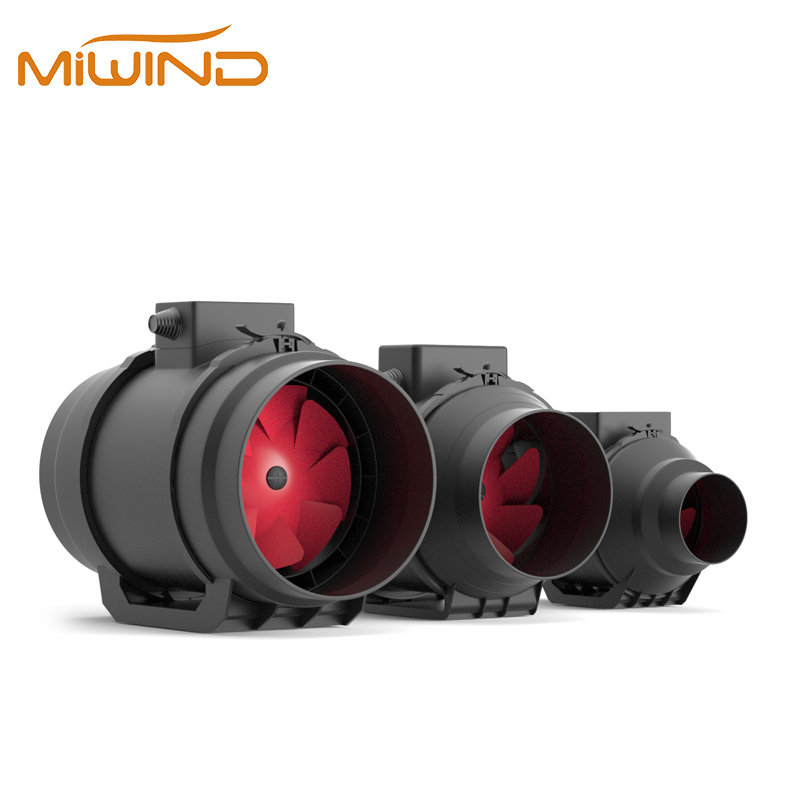
FAQ
What factors determine the optimal size for an inline duct fan in air distribution systems?
The optimal size depends on the required pressure boost, airflow volume, ductwork characteristics, and downstream resistance calculations. Engineers typically perform detailed pressure loss calculations considering duct length, fittings, terminals, and filter loading to determine the necessary fan capacity. The inline duct fan must generate sufficient pressure rise without creating excessive velocity or noise issues.
How does an inline duct fan affect the overall HVAC system balance?
An inline duct fan enhances system balance by providing localized pressure boosts that compensate for natural pressure losses in extended ductwork runs. This allows for more uniform air distribution across all zones while reducing the load on main system fans. Proper installation and control integration ensure that the inline duct fan works harmoniously with existing equipment rather than creating pressure conflicts.
What maintenance is required to keep inline duct fan units operating effectively?
Regular maintenance includes impeller cleaning, bearing inspection and lubrication, motor condition monitoring, and vibration analysis. Filter replacement in associated ductwork prevents contamination buildup that could affect fan performance. Control system calibration ensures accurate pressure and flow monitoring for optimal air distribution performance.
Can multiple inline duct fan units operate simultaneously in the same system?
Yes, multiple inline duct fan units can operate simultaneously when properly coordinated through integrated control systems. Each fan should serve distinct zones or duct branches to avoid pressure conflicts. Proper system design includes adequate spacing between units and coordinated control strategies that prevent individual fans from working against each other while maintaining overall air distribution balance.
Table of Contents
- Mechanical Principles Behind Inline Duct Fan Operation
- Strategic Placement for Maximum Air Distribution Efficiency
- Performance Optimization and Control Strategies
- Energy Efficiency and Operational Benefits
-
FAQ
- What factors determine the optimal size for an inline duct fan in air distribution systems?
- How does an inline duct fan affect the overall HVAC system balance?
- What maintenance is required to keep inline duct fan units operating effectively?
- Can multiple inline duct fan units operate simultaneously in the same system?