 EN
EN

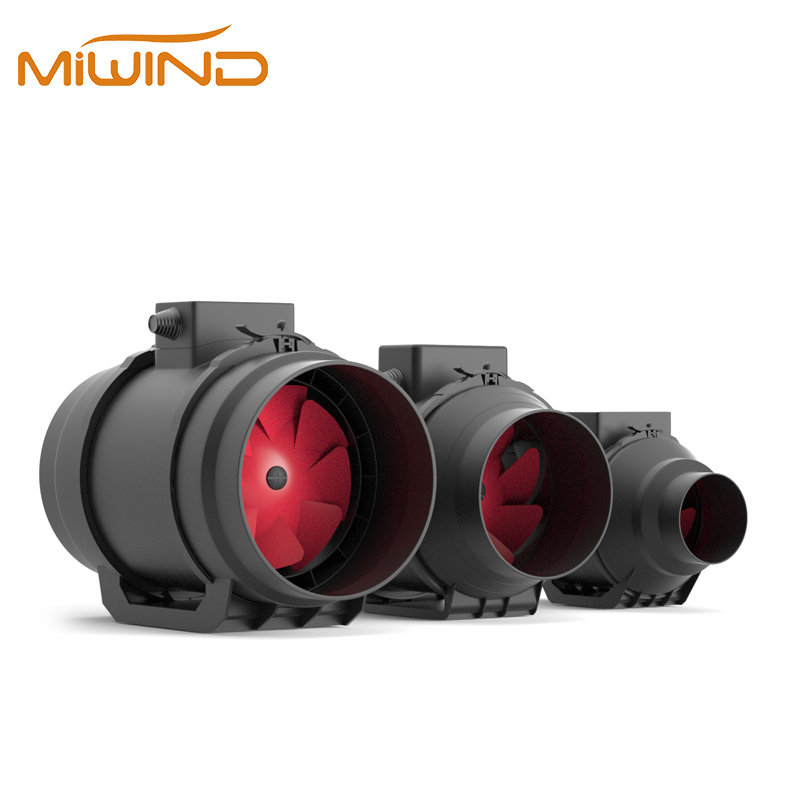
Engineers face critical evaluation decisions when planning inline duct fan installations that directly impact system performance, energy efficiency, and operational reliability. The selection and installation process requires comprehensive assessment of multiple technical factors, from airflow requirements and pressure calculations to electrical specifications and maintenance accessibility. Understanding these evaluation criteria ensures optimal inline duct fan performance while minimizing operational costs and preventing costly system failures that can disrupt building operations or industrial processes.
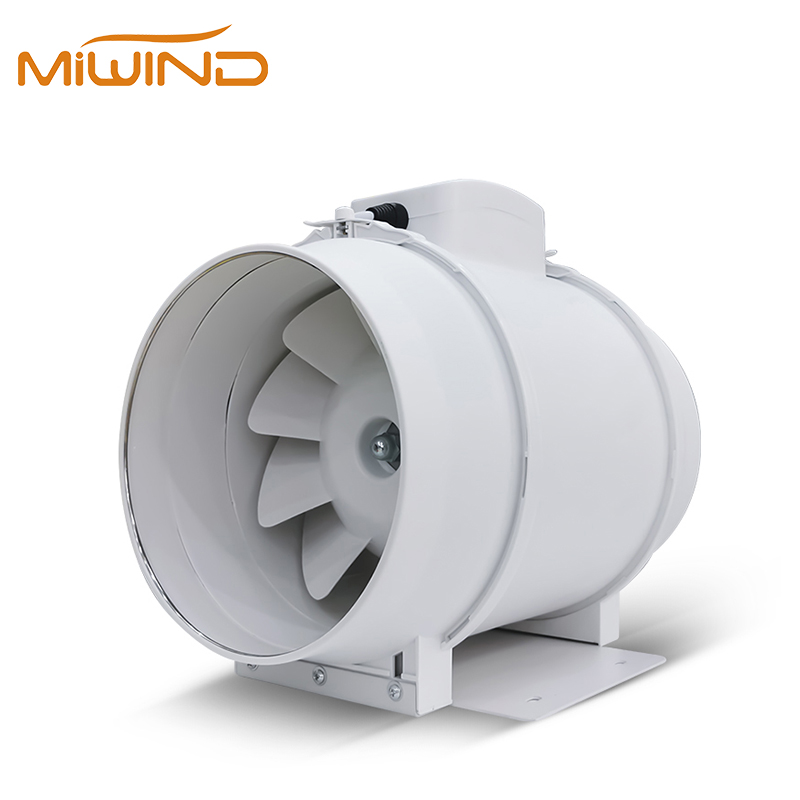
Proper evaluation before installation prevents common pitfalls such as inadequate airflow capacity, excessive noise generation, premature equipment failure, and suboptimal energy consumption. This systematic approach to inline duct fan evaluation encompasses technical specifications, environmental conditions, integration requirements, and long-term operational considerations that determine project success. Engineers who follow comprehensive evaluation protocols consistently achieve better installation outcomes and deliver systems that meet performance expectations throughout their operational lifespan.
Airflow and Performance Requirements Assessment
Calculating Precise Airflow Demands
Accurate airflow calculation forms the foundation of successful inline duct fan selection and represents the most critical evaluation parameter engineers must determine. This process begins with comprehensive analysis of the space or process requiring ventilation, including room volume calculations, air change rate requirements, and specific ventilation standards applicable to the application. Engineers must consider peak demand scenarios, occupancy patterns, and any specialized processes that generate heat, moisture, or contaminants requiring removal through the inline duct fan system.
The calculation methodology involves determining both supply and exhaust airflow requirements, accounting for infiltration rates, and establishing balanced ventilation to prevent pressure imbalances. For commercial applications, engineers typically reference ASHRAE standards to determine minimum ventilation rates, while industrial applications may require specialized calculations based on process requirements or regulatory mandates. The inline duct fan must handle not only design airflow but also provide adequate capacity margins to accommodate system variations and future operational changes.
Engineers should also evaluate seasonal variations in airflow requirements, as heating and cooling demands can significantly impact ventilation needs. Summer cooling loads may require higher airflow rates, while winter operations might focus on controlled ventilation to minimize energy losses. These seasonal considerations directly influence inline duct fan sizing and control strategy selection, ensuring the system operates efficiently throughout annual operating cycles.
Pressure Loss Analysis and System Resistance
Static pressure calculations determine the working pressure requirements that the inline duct fan must overcome to deliver design airflow through the complete ductwork system. This analysis includes pressure losses from ductwork friction, fittings, transitions, dampers, filters, and any additional system components that create resistance to airflow. Engineers must calculate total system resistance accurately to select an inline duct fan capable of overcoming these losses while maintaining design airflow rates.
The pressure calculation process involves detailed ductwork layout analysis, including straight run lengths, equivalent lengths for fittings, and pressure drops across system components such as filters, coils, and dampers. Engineers should account for ductwork aging factors, as accumulated dust and debris can increase system resistance over time. Additionally, the analysis must consider pressure variations that occur during different operating modes, such as economizer operation or variable airflow control scenarios.
Proper pressure analysis also includes evaluation of system balance requirements, ensuring adequate pressure availability at all terminal points while preventing excessive pressurization that wastes energy. Engineers should design for optimal fan operating points that achieve required performance while operating within the fan's efficient range, avoiding operations near surge or stall conditions that reduce reliability and increase energy consumption.
Electrical and Control System Integration
Power Supply and Electrical Compatibility
Electrical evaluation encompasses power supply assessment, motor specifications, and electrical infrastructure compatibility to ensure reliable inline duct fan operation. Engineers must verify available electrical capacity matches fan motor requirements, including starting current demands that can exceed running current by significant factors. This evaluation includes voltage compatibility, phase requirements, and frequency specifications that must align with building electrical systems and local utility standards.
Motor protection requirements demand careful consideration of overload protection, short circuit protection, and disconnect devices that comply with electrical codes and safety regulations. Engineers should evaluate motor efficiency ratings, particularly for continuous-duty applications where energy costs significantly impact operational economics. Variable frequency drive compatibility becomes important for applications requiring airflow modulation, requiring assessment of motor design features such as inverter-duty insulation and bearing specifications suitable for VFD operation.
Electrical installation requirements include conduit sizing, wire routing, and grounding specifications that ensure safe and reliable operation. Engineers must consider environmental factors affecting electrical components, such as temperature extremes, moisture exposure, and corrosive atmospheres that may require special enclosure ratings or protective measures for inline duct fan electrical components.
Control Integration and Automation Requirements
Control system integration evaluation determines how the inline duct fan interfaces with building automation systems, standalone controls, or manual operation requirements. Engineers must assess communication protocol compatibility, such as BACnet, Modbus, or proprietary protocols that enable integration with existing building management systems. This evaluation includes determining required control points, such as start/stop commands, speed control signals, status feedback, and alarm monitoring capabilities.
Sensor integration requirements encompass temperature sensors, pressure sensors, airflow measurement devices, and other monitoring equipment necessary for proper system control and performance verification. Engineers should evaluate sensor placement requirements, signal conditioning needs, and calibration procedures that ensure accurate system operation. The control strategy evaluation includes determining automatic sequences, setpoint requirements, and safety interlocks that protect equipment and maintain safe operating conditions.
Advanced control features such as demand-controlled ventilation, economizer integration, and energy optimization algorithms require evaluation of compatible inline duct fan models and control capabilities. Engineers must consider future expansion possibilities, commissioning requirements, and operator interface needs that affect long-term system usability and maintenance efficiency.
Installation Environment and Physical Constraints
Space Allocation and Accessibility Planning
Physical space evaluation determines installation feasibility and influences inline duct fan model selection based on dimensional constraints and accessibility requirements. Engineers must assess available space in mechanical rooms, ceiling cavities, or outdoor installations, considering not only fan dimensions but also required clearances for maintenance access, vibration isolation, and airflow development. This evaluation includes structural support assessment to ensure adequate capacity for fan weight, operating loads, and seismic requirements where applicable.
Accessibility planning encompasses maintenance requirements, including filter access, motor service points, and component replacement procedures that affect long-term operational efficiency. Engineers should evaluate crane access, rigging requirements, and material handling constraints that impact installation and future maintenance operations. The evaluation must consider safety requirements such as lockout/tagout procedures, fall protection measures, and confined space considerations that ensure safe maintenance practices.
Architectural integration considerations include aesthetic requirements, noise transmission concerns, and visual impact factors that affect inline duct fan placement and enclosure requirements. Engineers should coordinate with architectural requirements while maintaining functional performance, ensuring the installation meets both technical and aesthetic objectives without compromising system effectiveness.
Environmental Conditions and Durability Factors
Environmental assessment evaluates operating conditions that affect inline duct fan material selection, protective features, and expected service life. Temperature extremes, humidity levels, corrosive atmospheres, and airborne contaminants significantly influence material choices and protective coatings required for reliable operation. Engineers must evaluate both normal operating conditions and extreme scenarios that may occur during system operation, ensuring the selected inline duct fan withstands environmental challenges throughout its design life.
Corrosion resistance evaluation becomes critical in coastal environments, industrial applications, or installations handling corrosive airstreams. Material selection considerations include housing materials, impeller construction, motor protection, and fastener specifications that resist environmental degradation. Engineers should assess chemical compatibility for applications involving process exhausts or specialized atmospheres that may attack standard materials.
Seismic requirements, wind load considerations, and other environmental forces require evaluation for outdoor installations or buildings in seismically active regions. These factors influence mounting design, structural requirements, and equipment anchorage specifications that ensure system integrity during environmental events. Engineers must coordinate environmental protection requirements with performance objectives to achieve optimal inline duct fan selection and installation design.
Energy Efficiency and Operating Cost Analysis
Energy Consumption Evaluation
Energy efficiency assessment determines long-term operating costs and environmental impact of inline duct fan installations, requiring comprehensive analysis of power consumption across various operating scenarios. Engineers must evaluate fan efficiency curves, motor efficiency ratings, and system efficiency factors that influence overall energy consumption. This analysis includes part-load performance characteristics, particularly important for applications with variable airflow requirements where the inline duct fan operates at reduced speeds for extended periods.
The evaluation process involves calculating annual energy consumption based on anticipated operating schedules, seasonal variations, and load profiles specific to the application. Engineers should consider utility rate structures, including demand charges and time-of-use rates that affect operational economics. Energy modeling techniques help predict actual energy consumption and identify optimization opportunities through advanced control strategies or premium efficiency equipment selections.
Life cycle cost analysis compares initial equipment costs with projected energy costs over the system's expected lifespan, helping engineers justify premium efficiency inline duct fan selections that provide long-term economic benefits. This analysis should include maintenance costs, replacement part availability, and service life expectations that affect total ownership costs beyond initial procurement and installation expenses.
Operational Optimization Strategies
Optimization strategy evaluation encompasses control methods, scheduling options, and advanced features that minimize energy consumption while maintaining performance requirements. Variable frequency drive integration offers significant energy savings for applications with varying load requirements, but requires careful evaluation of motor compatibility, harmonic considerations, and control complexity. Engineers must assess whether VFD benefits justify additional costs and complexity based on specific application characteristics and operating patterns.
Scheduling optimization involves evaluating occupancy patterns, process requirements, and outdoor air conditions to develop operating strategies that minimize energy consumption. Demand-controlled ventilation, economizer cycles, and night setback operations can significantly reduce inline duct fan operating hours and energy consumption when properly implemented. Engineers should evaluate sensor requirements, control logic complexity, and commissioning needs associated with advanced optimization strategies.
Maintenance optimization affects energy consumption through proper filter replacement schedules, motor maintenance procedures, and system cleaning protocols that maintain peak efficiency. Engineers should establish maintenance protocols that preserve inline duct fan efficiency while balancing maintenance costs with energy savings, ensuring long-term operational optimization throughout the system's service life.
Maintenance and Service Considerations
Maintenance Accessibility and Service Requirements
Maintenance evaluation encompasses access requirements, service intervals, and replacement part availability that affect long-term operational success of inline duct fan installations. Engineers must assess maintenance access for routine procedures such as filter replacement, motor lubrication, belt adjustment, and impeller cleaning, ensuring adequate clearances and safe working conditions. This evaluation includes considering lighting requirements, ventilation needs, and safety equipment access necessary for proper maintenance procedures.
Service requirement assessment involves evaluating manufacturer support availability, local service capabilities, and technical expertise requirements for proper maintenance. Engineers should consider warranty provisions, service contract availability, and emergency repair capabilities that ensure minimal downtime during equipment failures. The evaluation must include spare parts inventory requirements, replacement part lead times, and obsolescence risks that may affect long-term serviceability.
Documentation requirements include maintenance manuals, wiring diagrams, performance data, and commissioning records that support effective maintenance practices. Engineers should establish maintenance scheduling systems, record-keeping procedures, and training requirements that ensure consistent maintenance quality and preserve equipment warranties throughout the inline duct fan service life.
Reliability and Service Life Expectations
Reliability assessment evaluates expected service life, failure modes, and preventive maintenance requirements that influence total cost of ownership. Engineers must consider bearing specifications, motor design features, and construction quality factors that determine equipment longevity under specific operating conditions. Operating environment factors such as duty cycles, load variations, and environmental conditions significantly impact reliability expectations and maintenance requirements.
Component reliability evaluation includes motor bearings, impeller balance, housing integrity, and electrical component life expectancy under anticipated operating conditions. Engineers should assess vibration levels, noise characteristics, and performance degradation patterns that indicate developing problems requiring corrective action. Predictive maintenance capabilities, such as vibration monitoring or motor current analysis, may justify additional monitoring equipment for critical inline duct fan applications.
Failure consequence analysis helps engineers determine appropriate reliability levels and redundancy requirements based on system criticality and downtime costs. Emergency backup provisions, redundant capacity, or rapid replacement procedures may be necessary for applications where inline duct fan failure creates significant operational or safety risks, influencing equipment selection and installation design requirements.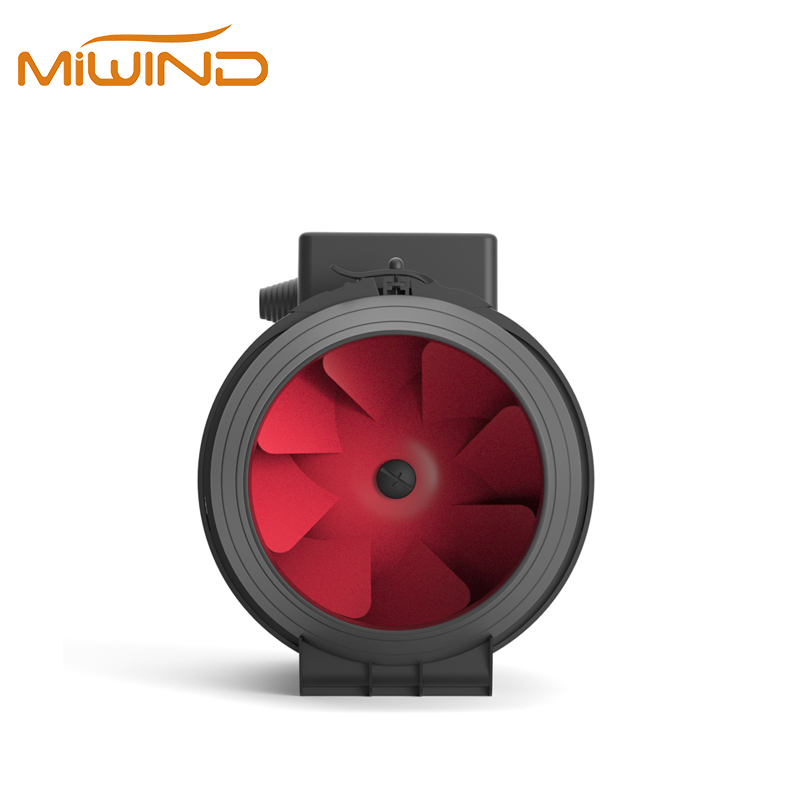
FAQ
What are the most critical performance parameters to verify during inline duct fan evaluation?
The most critical parameters include accurate airflow calculations matching application requirements, static pressure capacity sufficient to overcome total system resistance, and electrical compatibility with available power supply. Engineers must verify fan curve performance at the specific operating point, ensure adequate capacity margins for system variations, and confirm that the selected inline duct fan operates within its efficient range to minimize energy consumption and maximize reliability.
How do environmental conditions affect inline duct fan material selection and durability?
Environmental conditions directly influence material requirements, with factors such as temperature extremes, humidity levels, and corrosive atmospheres determining housing materials, impeller construction, and protective coatings. Coastal environments require corrosion-resistant materials, while high-temperature applications need heat-resistant components and special motor insulation. Engineers must evaluate both normal and extreme operating conditions to ensure the inline duct fan withstands environmental challenges throughout its design life.
What electrical considerations are essential for reliable inline duct fan operation?
Essential electrical considerations include verifying adequate electrical capacity for motor requirements including starting currents, ensuring voltage and frequency compatibility, and providing proper motor protection devices. Engineers must evaluate variable frequency drive compatibility for speed control applications, assess grounding requirements for safety, and consider environmental factors affecting electrical components such as moisture exposure or temperature extremes that may require special enclosure ratings.
How should engineers plan for long-term maintenance and service accessibility?
Maintenance planning requires ensuring adequate clearances for routine service procedures, evaluating access for major component replacement, and considering safety requirements for maintenance work. Engineers should assess local service support availability, spare parts procurement, and technical expertise requirements while establishing documentation systems that support effective maintenance practices. Proper accessibility planning during installation prevents costly modifications and ensures efficient maintenance throughout the inline duct fan service life.
Table of Contents
- Airflow and Performance Requirements Assessment
- Electrical and Control System Integration
- Installation Environment and Physical Constraints
- Energy Efficiency and Operating Cost Analysis
- Maintenance and Service Considerations
-
FAQ
- What are the most critical performance parameters to verify during inline duct fan evaluation?
- How do environmental conditions affect inline duct fan material selection and durability?
- What electrical considerations are essential for reliable inline duct fan operation?
- How should engineers plan for long-term maintenance and service accessibility?