 EN
EN

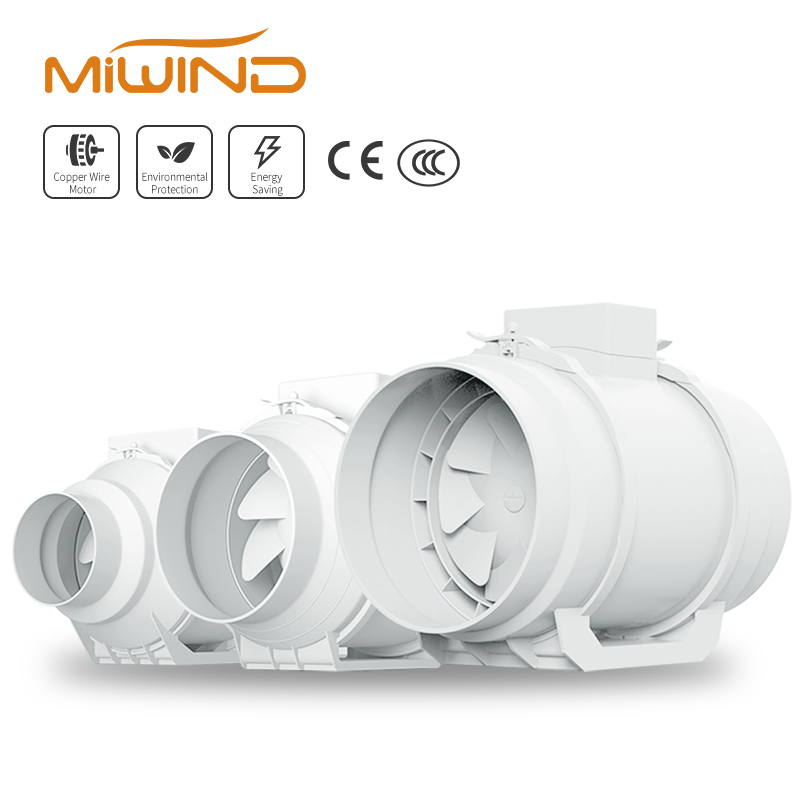
Modern commercial buildings and residential structures demand sophisticated ventilation solutions that maximize airflow efficiency while minimizing space requirements and energy consumption. The growing preference for inline duct fan installations reflects a significant shift in how HVAC professionals approach air movement challenges in contemporary building designs. These compact yet powerful devices have revolutionized ductwork layouts by offering targeted ventilation enhancement without requiring major modifications to existing infrastructure.
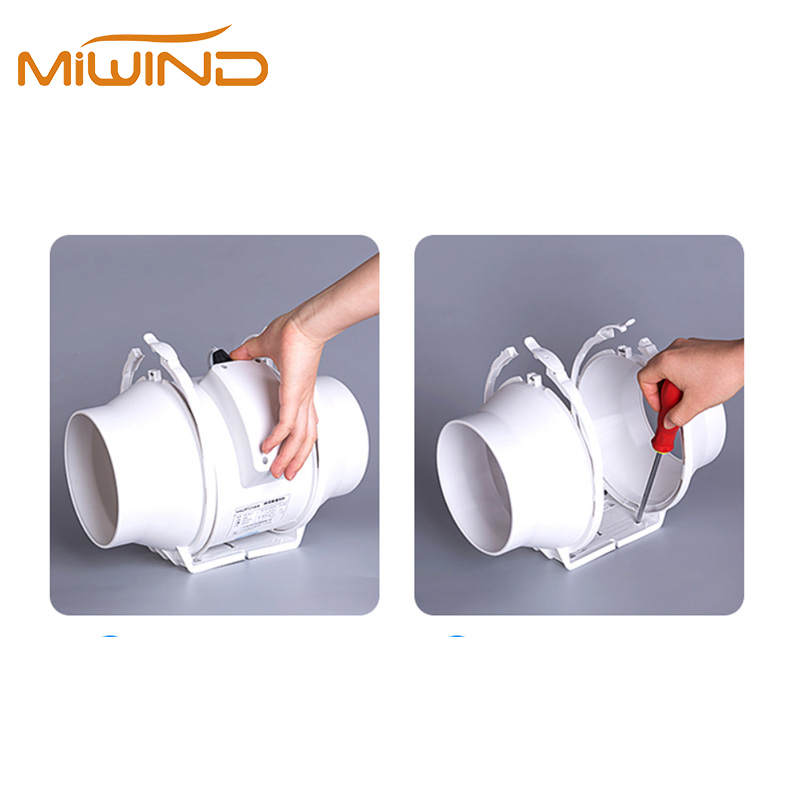
The popularity surge stems from multiple practical advantages that address common ventilation bottlenecks in modern construction. Property owners, architects, and HVAC contractors increasingly recognize that traditional ventilation approaches often fall short in buildings with complex layouts, multiple zones, or stringent space constraints. An inline duct fan installation provides a strategic solution that enhances overall system performance while maintaining design flexibility and operational efficiency.
Space Optimization Advantages in Modern Building Designs
Compact Installation Footprint
Contemporary building designs prioritize maximum usable space, leaving minimal room for bulky mechanical equipment. An inline duct fan addresses this challenge by fitting directly within existing ductwork rather than requiring dedicated equipment rooms or external mounting locations. This integration approach allows architects to maintain clean ceiling lines and unobstructed floor plans while ensuring adequate ventilation performance.
The streamlined profile of these ventilation units enables installation in confined spaces such as ceiling cavities, wall chases, and utility corridors. Unlike traditional centrifugal fans that demand substantial clearances for maintenance access, modern inline duct fan models incorporate removable motor assemblies and accessible service panels that facilitate routine maintenance without extensive disassembly.
Flexible Ductwork Configuration
Modern HVAC layouts often involve complex routing paths that navigate around structural elements, utility runs, and architectural features. The cylindrical design of an inline duct fan accommodates various ductwork orientations and connection angles, providing engineers with greater flexibility in system design. This adaptability proves particularly valuable in retrofit applications where existing ductwork configurations cannot be easily modified.
The ability to position these fans at strategic points within the ductwork network allows for targeted pressure boost in specific zones without affecting the entire system. This localized approach to air movement enhancement supports more efficient building ventilation while reducing the overall mechanical load on primary air handling equipment.
Energy Efficiency and Performance Benefits
Variable Speed Control Integration
Modern building automation systems demand precise control over ventilation rates to optimize energy consumption while maintaining occupant comfort. An inline duct fan equipped with variable frequency drives enables real-time adjustment of airflow rates based on actual demand rather than operating at fixed capacity. This dynamic control capability significantly reduces energy waste during periods of lower occupancy or reduced ventilation requirements.
The integration with smart building controls allows these fans to respond automatically to sensors monitoring air quality, occupancy levels, and outdoor conditions. This intelligent operation ensures optimal indoor air quality while minimizing unnecessary energy expenditure, contributing to improved building sustainability ratings and reduced operational costs.
Targeted Airflow Enhancement
Rather than oversizing central air handling units to compensate for pressure losses in distant ductwork zones, an inline duct fan provides localized pressure boost exactly where needed. This targeted approach eliminates the energy penalty associated with moving excessive air volumes through the entire ductwork network just to achieve adequate flow in challenging locations.
The result is improved overall system efficiency, as primary air handling equipment can operate at optimal capacity while inline fans address specific pressure drops or flow deficiencies. This distributed approach to air movement creates more balanced ventilation throughout the building while reducing the total installed mechanical capacity required.
Installation Simplicity and Maintenance Advantages
Streamlined Installation Process
The installation process for an inline duct fan typically involves fewer complications than traditional fan installations, as these units mount directly within the ductwork using standard connections and support brackets. This straightforward installation approach reduces labor costs and project timelines while minimizing disruption to occupied spaces during retrofit projects.
Most inline duct fan models incorporate quick-disconnect electrical connections and standardized mounting interfaces that simplify the installation process. The ability to pre-assemble ductwork sections with integrated fans in controlled workshop environments further enhances installation efficiency and quality control.
Accessible Service and Maintenance
Modern inline duct fan designs prioritize serviceability through removable motor assemblies, accessible bearing points, and integrated diagnostic connections. This service-friendly approach reduces maintenance downtime and extends equipment lifespan through proper preventive care. Many models feature external motor mounting that allows motor service without ductwork disconnection.
The reduced mechanical complexity compared to traditional fan systems translates to lower maintenance requirements and fewer potential failure points. This reliability factor makes inline duct fan installations particularly attractive for critical applications where ventilation continuity is essential.
Application Versatility Across Building Types
Commercial Building Applications
Commercial office buildings benefit significantly from inline duct fan installations in conference rooms, copy centers, and other spaces requiring enhanced ventilation without major ductwork modifications. The ability to boost airflow in specific zones addresses indoor air quality concerns while maintaining the flexibility to reconfigure spaces as tenant requirements change.
Retail environments utilize these fans to manage kitchen exhaust, restroom ventilation, and storage area air circulation. The quiet operation characteristics of modern inline duct fan units ensure customer comfort while providing necessary ventilation performance in noise-sensitive environments.
Residential and Light Commercial Uses
High-end residential construction increasingly incorporates inline duct fan technology to address bathroom ventilation, laundry room exhaust, and basement dehumidification needs. The compact size and quiet operation make these units ideal for residential applications where traditional fans might be too large or noisy.
Multi-family housing projects benefit from the consistent performance and individual control capabilities that inline duct fan installations provide. Each unit can maintain independent ventilation control while sharing common ductwork infrastructure, reducing overall construction costs while ensuring adequate air quality.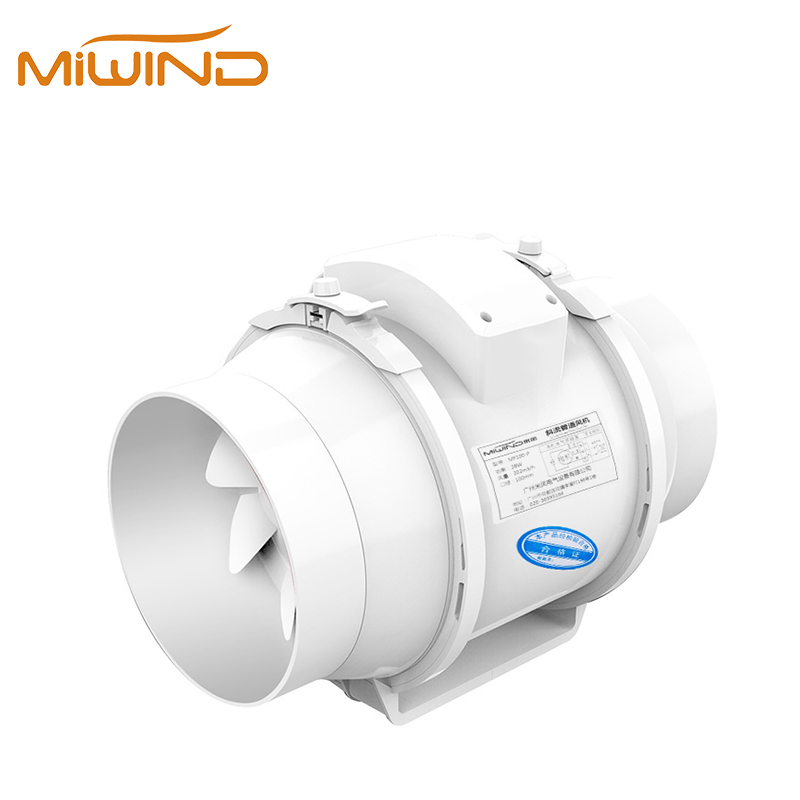
FAQ
What maintenance requirements do inline duct fans typically have?
Most inline duct fan units require quarterly inspection of external connections and semi-annual cleaning of accessible components. Motor bearings should be checked annually, though many modern units feature sealed bearings that require minimal maintenance. Filter replacement schedules depend on environmental conditions but typically range from monthly to quarterly intervals.
How do inline duct fans affect overall HVAC system noise levels?
Modern inline duct fan designs incorporate sound-dampening materials and aerodynamic improvements that typically produce noise levels below 40 decibels at normal operating speeds. The inline mounting configuration also helps isolate fan noise within the ductwork rather than transmitting vibrations through building structures, resulting in quieter operation compared to traditional fan installations.
Can inline duct fans be retrofitted into existing ductwork systems?
Yes, most inline duct fan models are designed specifically for retrofit applications. Standard duct sizes and connection methods allow these fans to be inserted into existing round or rectangular ductwork with minimal modifications. Proper sizing and electrical connections are the primary considerations for successful retrofit installations.
What size considerations are important when selecting an inline duct fan?
Proper sizing requires calculating the required airflow volume, static pressure requirements, and available installation space. The fan diameter should match existing ductwork where possible, though transition fittings can accommodate size differences. Professional load calculations ensure optimal performance without oversizing, which can lead to inefficient operation and unnecessary energy consumption.