 EN
EN

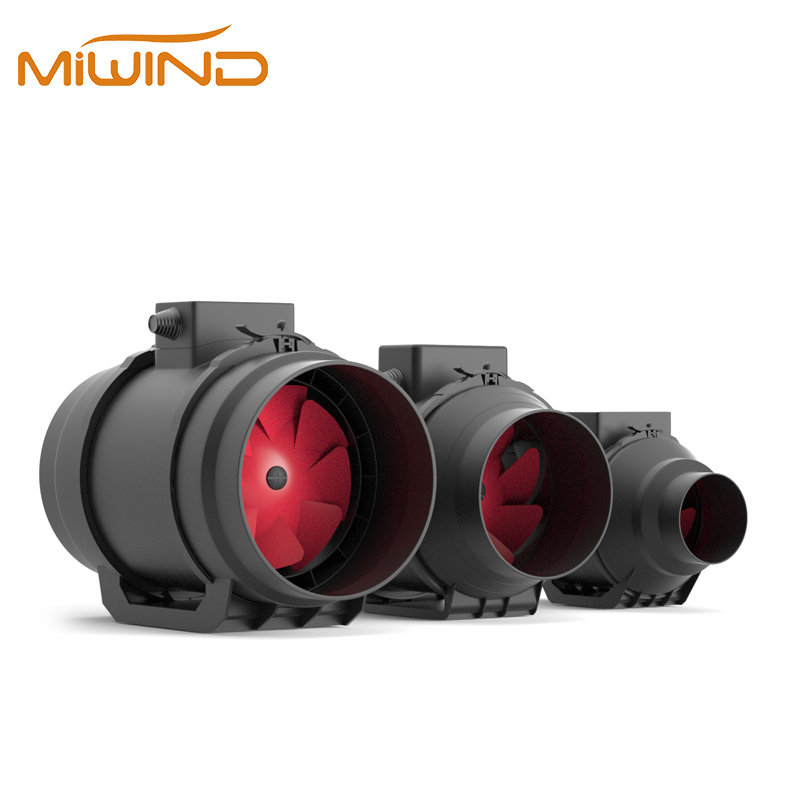
Understanding how inline duct fan design enhances airflow in compact ventilation systems requires examining the specific engineering principles that make these units particularly effective in space-constrained environments. The design characteristics of an inline duct fan directly influence its ability to move air efficiently through limited pathways while maintaining optimal pressure relationships and minimizing energy consumption. These factors become critical when ventilation systems must operate within tight spatial constraints typical of modern commercial buildings, residential applications, and industrial facilities.
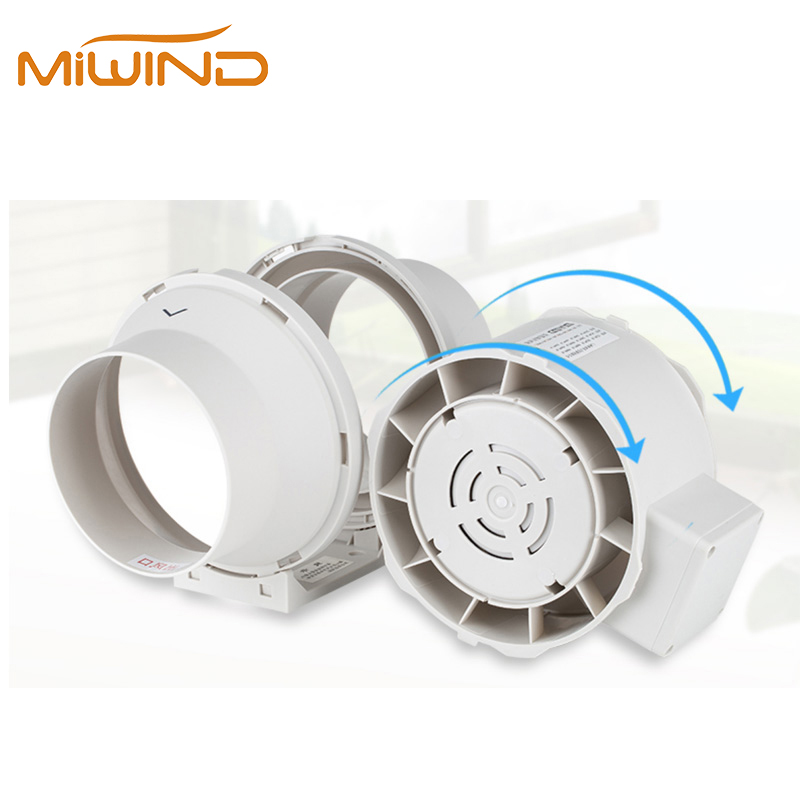
The aerodynamic engineering behind inline duct fan design creates significant advantages over traditional centrifugal fans when airflow efficiency becomes paramount in restricted spaces. Unlike conventional fan configurations that require substantial housing and external mounting areas, the streamlined profile of an inline duct fan integrates seamlessly into existing ductwork while maintaining superior air movement characteristics. This integration capability allows system designers to achieve target airflow rates without compromising valuable space or requiring extensive modifications to building infrastructure.
Aerodynamic Design Principles Behind Enhanced Airflow
Blade Configuration and Air Movement Efficiency
The blade design of an inline duct fan fundamentally determines how effectively air moves through compact ventilation pathways. Advanced blade geometries incorporate specific angles and curvatures that minimize turbulence while maximizing air displacement per rotation. These design elements ensure that air flows smoothly through the fan assembly without creating pressure drops that could reduce overall system performance. The precision-engineered blade profiles work in harmony with the cylindrical housing to create laminar flow patterns that maintain velocity and pressure characteristics essential for effective ventilation.
Modern inline duct fan blade configurations utilize computational fluid dynamics modeling to optimize air capture and discharge angles. This engineering approach results in blade shapes that efficiently convert rotational energy into directional airflow while minimizing noise generation and vibration. The relationship between blade pitch, diameter, and rotational speed creates specific performance curves that engineers can match to compact system requirements, ensuring optimal airflow delivery within space-limited applications.
Housing Design and Airflow Optimization
The cylindrical housing design of an inline duct fan creates a continuous airflow path that eliminates the sharp directional changes typically associated with centrifugal fan installations. This smooth transition maintains air velocity and reduces pressure losses that commonly occur when airflow must navigate multiple direction changes within compact ductwork systems. The housing diameter and length proportions are specifically calculated to work with blade configurations, creating an integrated system that maximizes airflow efficiency while minimizing installation space requirements.
Internal housing features such as guide vanes and diffuser sections further enhance airflow characteristics by reducing turbulence and maintaining uniform velocity distribution across the duct cross-section. These design elements become particularly important in compact systems where space limitations prevent the use of lengthy transition sections that might otherwise smooth airflow patterns. The result is an inline duct fan that delivers consistent performance regardless of installation constraints typical in space-limited environments.
Space Optimization Mechanisms in Compact Systems
Integration Advantages Over Traditional Fan Types
The inline installation capability of these fans eliminates the need for external mounting brackets, fan housings, and complicated transition ductwork that traditional centrifugal fans require. This integration advantage allows system designers to install ventilation equipment directly within existing ductwork without requiring additional floor space, ceiling clearance, or wall-mounted support structures. The space savings become particularly significant in retrofit applications where adding ventilation capacity must occur within existing architectural constraints.
Compact ventilation systems benefit from the reduced installation footprint because inline duct fan placement can occur at optimal locations within the airflow path rather than at convenient mounting points. This flexibility allows engineers to position fans where they will achieve maximum airflow effectiveness while working within available space limitations. The elimination of external components also reduces maintenance access requirements, making it possible to install effective ventilation in areas where traditional fan systems would be impractical or impossible.
Ductwork Simplification and Airflow Continuity
The direct inline installation method simplifies ductwork routing by eliminating the complex transition sections required when connecting traditional fans to distribution systems. This simplification reduces the number of bends, connections, and directional changes that typically introduce pressure losses and reduce overall system efficiency. In compact installations, these simplified routing options often make the difference between achieving target airflow rates and accepting compromised ventilation performance due to space constraints.
Airflow continuity remains uninterrupted because the inline duct fan maintains the same cross-sectional area as the connecting ductwork, eliminating expansion and contraction losses common with traditional fan installations. This continuity becomes especially valuable in compact systems where every pressure loss reduction contributes to overall performance improvement. The smooth airflow transition through the fan assembly ensures that velocity profiles remain stable, reducing energy requirements while maintaining desired air movement rates.
Performance Enhancement in Restricted Environments
Pressure Relationship Management
Effective pressure management becomes critical in compact ventilation systems where space limitations often require higher static pressure capabilities to overcome increased resistance from longer duct runs or additional fittings. The inline duct fan design creates favorable pressure relationships by maintaining consistent cross-sectional areas throughout the airflow path, preventing the pressure drops associated with sudden expansions or contractions. This design characteristic allows the fan to develop higher static pressures while using less energy compared to traditional configurations.
The axial flow design inherent in inline duct fan construction provides excellent static pressure development capabilities while maintaining compact dimensions. Unlike centrifugal fans that require substantial housing volumes to develop similar pressure characteristics, the inline configuration achieves necessary pressure relationships within the confines of standard ductwork diameters. This pressure development capability makes it possible to achieve effective ventilation in applications where space constraints would otherwise prevent adequate air movement.
Energy Efficiency in Space-Limited Applications
Energy efficiency becomes paramount in compact ventilation systems because space limitations often require continuous operation to maintain adequate air quality. The streamlined airflow path through an inline duct fan reduces parasitic losses that consume energy without contributing to useful air movement. This efficiency advantage translates to lower operating costs and reduced environmental impact while achieving target ventilation performance within space-constrained environments.
The motor integration options available with inline duct fan designs allow for variable speed control and intelligent operation that further enhance energy efficiency. These control capabilities enable the fan to adjust output based on actual ventilation demands rather than operating at constant maximum capacity. In compact systems where over-ventilation wastes energy and creates noise issues, this controllability provides significant advantages for maintaining optimal indoor air quality while minimizing energy consumption.
Installation and Integration Considerations
Mounting Flexibility in Confined Spaces
The mounting flexibility offered by inline duct fan design accommodates various installation orientations that become necessary in space-restricted environments. Unlike traditional fans that require specific mounting orientations and clearance requirements, inline units can operate effectively in horizontal, vertical, or angled positions without performance degradation. This orientation flexibility allows system designers to route ductwork along the most efficient paths while accommodating structural obstacles and space limitations typical in compact installations.
Installation procedures for inline duct fan systems require minimal specialized tools or extensive modifications to existing structures, making them particularly suitable for retrofit applications where construction disruption must be minimized. The direct connection to existing ductwork eliminates the need for custom transition pieces or structural modifications that traditional fan installations often require. This installation simplicity reduces project costs and timeline requirements while ensuring reliable performance in space-limited applications.
Maintenance Access and Operational Reliability
Maintenance access considerations become particularly important in compact ventilation systems where space limitations may restrict service accessibility. The inline duct fan design incorporates removable access panels and modular components that allow maintenance personnel to perform routine service operations without requiring extensive disassembly of surrounding ductwork or equipment. This accessibility ensures that preventive maintenance can be performed effectively even in confined installation environments.
Operational reliability in compact systems depends on component durability and the ability to maintain consistent performance over extended operating periods. The simplified mechanical design of inline duct fan systems reduces the number of potential failure points while providing robust operation in demanding applications. The integrated design approach ensures that all components work together optimally, reducing wear and extending service life even when operating in challenging space-constrained environments.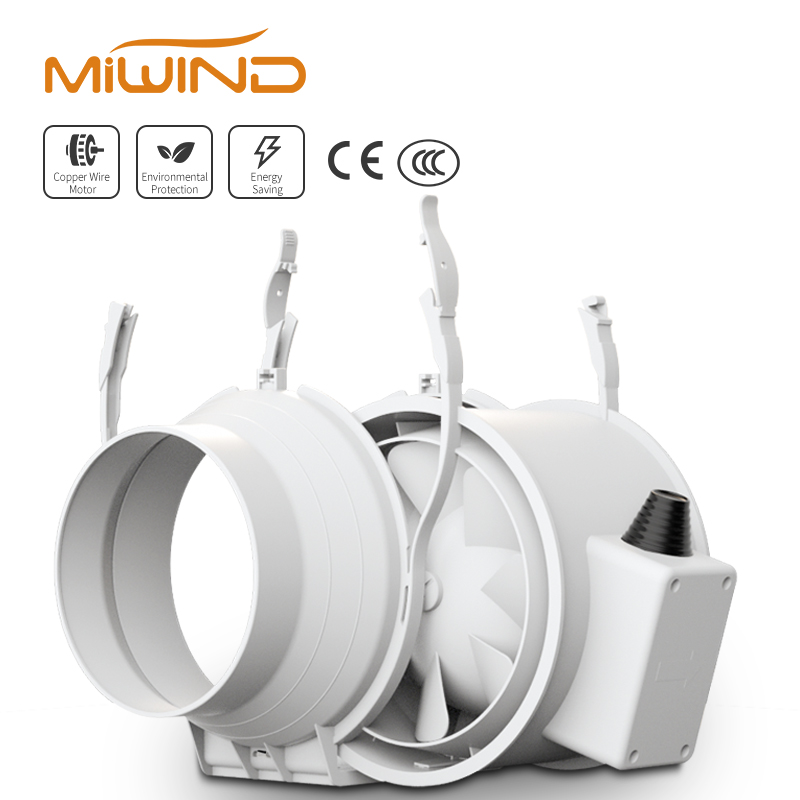
FAQ
What makes inline duct fan design more suitable for compact spaces than traditional centrifugal fans?
Inline duct fan design eliminates the need for external housing, mounting brackets, and transition ductwork required by centrifugal fans, allowing direct integration into existing ductwork. This design approach saves significant installation space while maintaining superior airflow characteristics through streamlined air pathways that reduce pressure losses and energy consumption in compact ventilation applications.
How does the cylindrical housing of an inline duct fan improve airflow efficiency?
The cylindrical housing creates a continuous airflow path that eliminates sharp directional changes and maintains consistent cross-sectional areas throughout the air movement process. This design minimizes turbulence and pressure drops while ensuring uniform velocity distribution, resulting in more efficient air movement and reduced energy requirements compared to traditional fan configurations that require complex transition sections.
Can inline duct fans provide adequate static pressure for systems with space-imposed restrictions?
Yes, the axial flow design of inline duct fans provides excellent static pressure development capabilities within compact dimensions, making them effective for overcoming the increased resistance common in space-limited installations. The streamlined airflow path and optimized blade configurations allow these fans to achieve necessary pressure relationships while maintaining energy efficiency and fitting within standard ductwork dimensions.
What installation advantages do inline duct fans offer in retrofit applications with space constraints?
Inline duct fans offer significant retrofit advantages including direct connection to existing ductwork without structural modifications, flexible mounting orientations, and minimal clearance requirements. These characteristics allow effective ventilation upgrades in space-limited environments where traditional fan systems would be impractical, reducing installation costs and construction disruption while achieving target airflow performance.
Table of Contents
- Aerodynamic Design Principles Behind Enhanced Airflow
- Space Optimization Mechanisms in Compact Systems
- Performance Enhancement in Restricted Environments
- Installation and Integration Considerations
-
FAQ
- What makes inline duct fan design more suitable for compact spaces than traditional centrifugal fans?
- How does the cylindrical housing of an inline duct fan improve airflow efficiency?
- Can inline duct fans provide adequate static pressure for systems with space-imposed restrictions?
- What installation advantages do inline duct fans offer in retrofit applications with space constraints?