 EN
EN

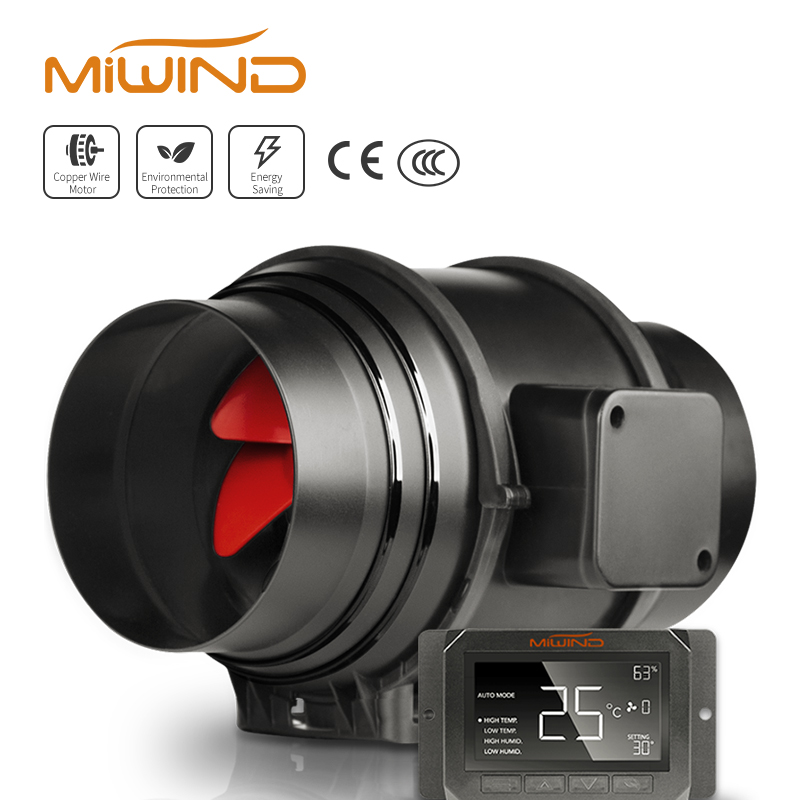
Complex ducting systems present unique challenges for maintaining consistent airflow throughout commercial and industrial facilities. Multiple bends, long runs, varying duct diameters, and pressure losses can significantly disrupt the smooth flow of air, creating uneven distribution and reducing overall HVAC system efficiency. Understanding how duct fan systems address these challenges requires examining the specific mechanisms and engineering principles that enable these devices to overcome airflow obstacles inherent in sophisticated ductwork configurations.
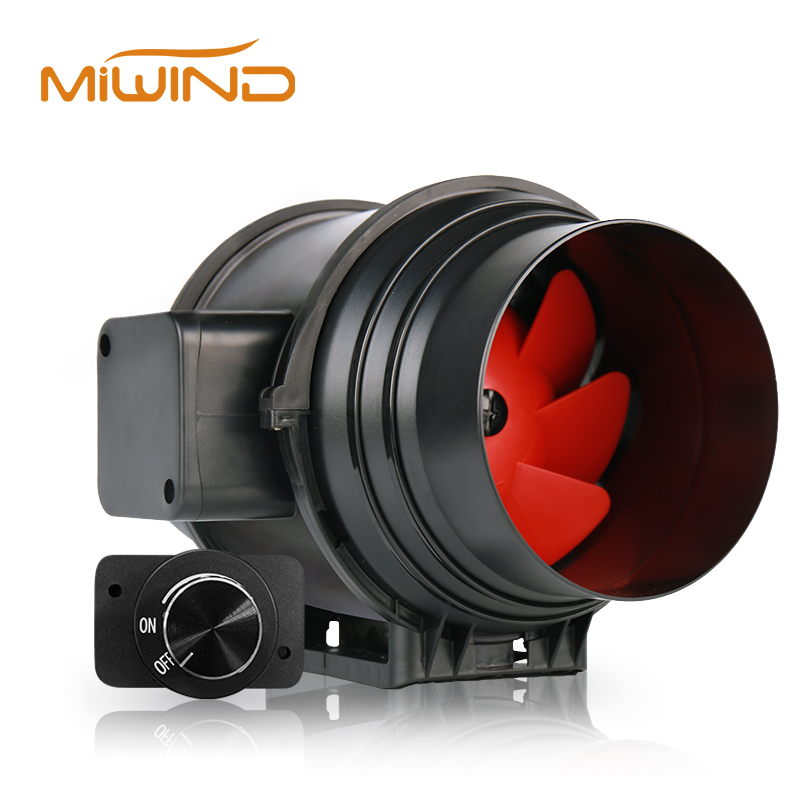
The relationship between duct fan placement and airflow consistency becomes critical when dealing with intricate ducting layouts that include multiple zones, varying pressure requirements, and complex geometric configurations. Each component in a complex ductwork system contributes to pressure drop and flow resistance, making strategic fan placement and proper sizing essential for achieving uniform air distribution across all connected spaces and maintaining optimal environmental control throughout the facility.
Pressure Management Mechanisms in Complex Ductwork
Static Pressure Compensation Through Strategic Fan Placement
A duct fan system compensates for static pressure losses that occur naturally in complex ducting configurations by providing localized pressure boosts at critical points within the network. As air travels through ductwork with multiple turns, transitions, and length variations, static pressure drops progressively, leading to reduced airflow in downstream sections. Strategic placement of inline fans at calculated intervals helps maintain consistent pressure levels throughout the entire system, ensuring that each branch receives adequate airflow regardless of its position relative to the main air handler.
The pressure compensation mechanism works by measuring differential pressure across various duct sections and automatically adjusting fan speed to maintain predetermined pressure setpoints. Advanced duct fan controllers monitor real-time pressure conditions and respond to fluctuations that might occur due to changing system demands, filter loading, or damper adjustments. This dynamic response capability ensures that pressure imbalances do not cascade through the system, causing some areas to become over-pressurized while others receive insufficient airflow.
Complex ducting systems often include pressure relief mechanisms that work in conjunction with duct fan systems to prevent excessive pressure buildup in certain zones. When a duct fan detects pressure levels exceeding safe operating parameters, integrated relief valves or bypass dampers activate to redirect excess airflow, maintaining system stability while protecting ductwork integrity and ensuring consistent performance across all connected zones.
Variable Flow Rate Adjustment for Diverse Duct Branches
Different branches in complex ducting systems require varying airflow rates based on their intended applications, space requirements, and thermal loads. A properly configured duct fan system addresses these diverse needs by incorporating variable flow control mechanisms that can adjust output independently for different duct branches while maintaining overall system balance. This selective flow adjustment prevents the common problem where oversized branches steal airflow from undersized ones, ensuring each area receives precisely the amount of conditioned air required for optimal comfort and efficiency.
Flow rate adjustment occurs through sophisticated control algorithms that consider not only the immediate requirements of each branch but also the interdependencies between different sections of the ducting system. When one branch demands increased airflow, the duct fan system automatically compensates by adjusting pressure and flow rates in other branches to prevent system-wide imbalances. This coordinated response ensures that complex ducting networks operate as integrated systems rather than competing individual circuits.
Modern duct fan systems incorporate sensors throughout complex ductwork that continuously monitor flow velocities, temperatures, and pressure conditions in real-time. These distributed sensing networks enable precise flow rate adjustments that respond to changing conditions within milliseconds, maintaining consistent airflow even when system demands fluctuate rapidly due to occupancy changes, equipment cycling, or external environmental factors that affect overall system performance.
Overcoming Geometric and Installation Challenges
Navigating Tight Spaces and Angular Ductwork Configurations
Complex ducting systems frequently include tight spaces, sharp angles, and confined installation areas that create significant airflow turbulence and pressure losses. Duct fan systems overcome these geometric challenges through specialized impeller designs and housing configurations that minimize turbulence while maximizing airflow efficiency in constrained spaces. Compact inline fan designs allow installation within limited clearance areas without compromising performance, enabling consistent airflow even through the most challenging ductwork geometries.
Angular ductwork configurations that include multiple 90-degree turns, transitions between different duct sizes, and complex branching patterns create vortices and flow separation that can severely impact airflow consistency. Advanced duct fan systems address these issues through aerodynamically optimized blade profiles and housing designs that minimize flow disruption while providing sufficient pressure boost to overcome geometric losses. Computational fluid dynamics modeling helps determine optimal fan placement locations that maximize effectiveness while minimizing installation complexity.
Installation flexibility becomes crucial when dealing with existing complex ductwork that cannot be easily modified to accommodate traditional fan systems. Modern duct fan designs offer multiple mounting orientations, variable inlet and outlet configurations, and modular components that adapt to virtually any geometric constraint. This adaptability ensures that airflow consistency can be achieved even in retrofit applications where ducting modifications would be prohibitively expensive or structurally impossible.
Addressing Vibration and Noise Transmission in Multi-Branch Systems
Complex ducting systems with multiple branches and connections can amplify vibration and noise transmission, creating comfort issues and potentially damaging sensitive equipment connected to the ductwork. Duct fan systems incorporate advanced vibration isolation technologies that prevent mechanical vibrations from propagating through the ductwork while maintaining optimal airflow performance. Flexible connections, vibration dampers, and precisely balanced impellers work together to minimize noise transmission throughout complex ducting networks.
Noise attenuation becomes particularly important in complex systems where ductwork passes through occupied spaces or connects to noise-sensitive areas. Specialized duct fan designs include integrated sound baffles, acoustically optimized housing materials, and variable speed controls that operate at noise levels appropriate for their installation environment. These features ensure that achieving consistent airflow does not compromise acoustic comfort in connected spaces.
Multi-branch ductwork systems can create resonance conditions where fan-generated vibrations become amplified at specific frequencies, leading to structural stress and occupant discomfort. Advanced duct fan control systems include frequency modulation capabilities that automatically avoid resonant frequencies while maintaining required airflow rates. This intelligent vibration management ensures long-term system reliability and occupant comfort in complex installations.
Integration with Building Automation and Control Systems
Real-Time Monitoring and Adaptive Response Capabilities
Modern duct fan systems integrate seamlessly with building automation systems to provide real-time monitoring of airflow conditions throughout complex ducting networks. These integrated systems continuously track performance metrics including pressure differentials, flow rates, energy consumption, and system efficiency indicators. When variations in airflow consistency are detected, automated responses can adjust duct fan operation parameters within seconds, maintaining optimal performance without requiring manual intervention from facility operators.
Adaptive response capabilities enable duct fan systems to learn from historical performance data and predict potential airflow inconsistencies before they occur. Machine learning algorithms analyze patterns in system operation, occupancy schedules, and environmental conditions to optimize fan operation schedules that maintain consistent airflow while minimizing energy consumption. This predictive capability becomes particularly valuable in complex ducting systems where small changes in one area can have cascading effects throughout the entire network.
Integration with building automation systems also enables coordinated operation between multiple duct fan units throughout large facilities with extensive complex ducting networks. Centralized control algorithms can optimize the operation of dozens of individual fans to achieve system-wide airflow consistency while balancing energy efficiency goals. This coordinated approach ensures that each duct fan operates at optimal efficiency while contributing to overall system performance objectives.
Energy Optimization Through Intelligent Load Balancing
Complex ducting systems often operate under varying load conditions throughout the day, requiring intelligent load balancing to maintain airflow consistency while minimizing energy consumption. Duct fan systems accomplish this through variable frequency drives and smart control algorithms that continuously adjust motor speed based on real-time system demands. Rather than operating at constant full capacity, these systems modulate output to match actual requirements, reducing energy waste while maintaining consistent airflow performance.
Load balancing algorithms consider not only immediate airflow requirements but also system-wide efficiency optimization. When multiple duct fan units operate within the same complex ducting network, intelligent controls can distribute workload among individual fans to operate each unit at its most efficient performance point. This coordinated load balancing approach maximizes overall system efficiency while ensuring that airflow consistency is maintained throughout all connected spaces.
Energy optimization extends beyond basic speed control to include sophisticated scheduling capabilities that anticipate changing load conditions based on occupancy patterns, seasonal variations, and operational schedules. Advanced duct fan control systems can pre-adjust airflow rates before peak demand periods, ensuring consistent performance while avoiding energy spikes associated with rapid system changes. This predictive energy management approach maintains airflow consistency while significantly reducing operational costs in complex installations.
Maintenance and Long-Term Performance Considerations
Predictive Maintenance Integration for System Reliability
Maintaining consistent airflow in complex ducting systems requires proactive maintenance strategies that address potential issues before they impact system performance. Modern duct fan systems incorporate predictive maintenance capabilities that continuously monitor key performance indicators including vibration signatures, motor current analysis, and airflow characteristics. These monitoring systems can detect developing problems such as bearing wear, impeller imbalance, or duct blockages that could compromise airflow consistency if left unaddressed.
Predictive maintenance algorithms analyze historical performance data to establish baseline operating characteristics for each duct fan installation. Deviations from these established baselines trigger maintenance alerts that allow facility managers to schedule repairs during convenient maintenance windows rather than responding to emergency failures that could disrupt airflow consistency throughout complex ducting systems. This proactive approach minimizes system downtime while maintaining optimal airflow performance.
Integration with building management systems enables predictive maintenance data to be correlated with overall HVAC system performance metrics, providing comprehensive insights into how duct fan performance affects system-wide efficiency. This holistic approach to maintenance planning ensures that duct fan systems continue to support consistent airflow throughout their operational life while optimizing maintenance costs and resource allocation.
Filter Integration and Air Quality Management
Complex ducting systems often include multiple filtration points that can impact airflow consistency as filters become loaded with contaminants. Duct fan systems address this challenge through integrated filter monitoring capabilities that track pressure differentials across filtration elements and automatically adjust fan speed to compensate for increasing filter resistance. This adaptive response maintains consistent airflow rates even as filters approach their replacement intervals, ensuring continuous air quality management without compromising system performance.
Filter integration extends beyond simple pressure monitoring to include air quality sensors that can adjust duct fan operation based on real-time contamination levels within the ducting system. When air quality sensors detect elevated particulate levels or chemical contaminants, duct fan systems can automatically increase airflow rates to enhance filtration effectiveness while maintaining pressure balance throughout complex ducting networks. This intelligent air quality management ensures that indoor environmental quality objectives are met consistently.
Advanced filter integration capabilities enable duct fan systems to coordinate with multiple filtration stages throughout complex ducting networks, optimizing airflow distribution to maximize filter effectiveness while minimizing pressure losses. This coordinated filtration approach ensures that air quality objectives are achieved efficiently while maintaining the airflow consistency required for optimal comfort and environmental control throughout connected spaces.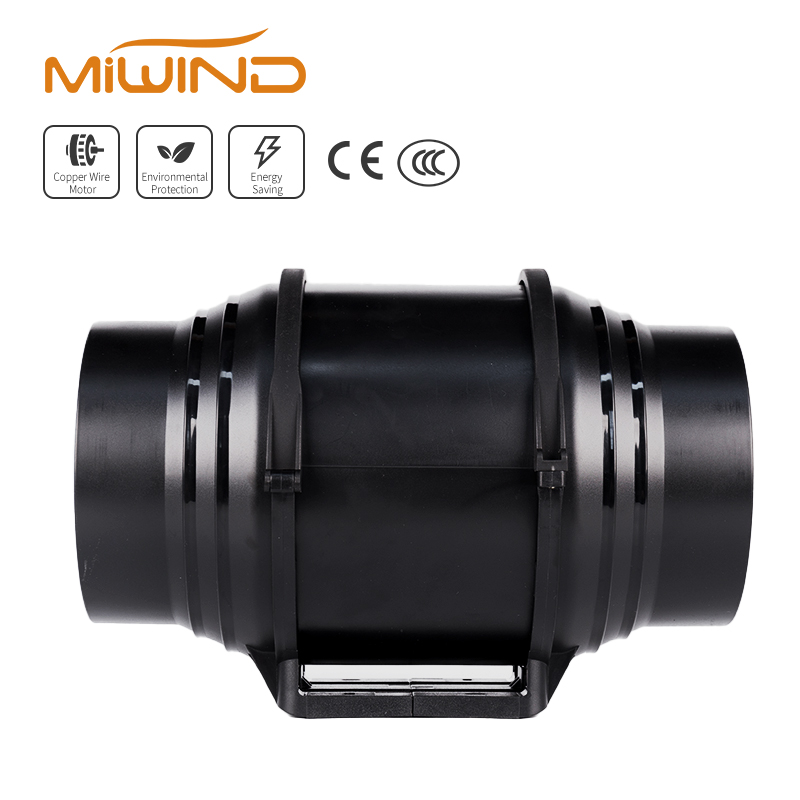
FAQ
What makes duct fan placement critical in complex ducting systems?
Strategic duct fan placement becomes critical because complex ducting systems create multiple pressure drop points that can severely impact airflow consistency. Fans must be positioned at calculated intervals where they can most effectively overcome pressure losses while maintaining system balance. Poor placement can create pressure imbalances that result in some areas receiving excessive airflow while others become starved, compromising overall system performance and energy efficiency.
How do duct fan systems handle varying pressure requirements in different duct branches?
Modern duct fan systems use variable speed controls and pressure sensors to automatically adjust output based on real-time conditions in different branches. Advanced control algorithms monitor pressure differentials throughout the system and modulate fan speed to maintain optimal pressure levels in each branch independently. This adaptive control ensures that varying requirements are met without disrupting airflow consistency in other parts of the complex ducting network.
Can duct fan systems compensate for poor ductwork design in existing installations?
While duct fan systems can significantly improve airflow consistency in poorly designed ductwork, they cannot completely eliminate fundamental design flaws. Fans can overcome moderate pressure losses, compensate for undersized ducts, and improve flow distribution, but severe design deficiencies may require ductwork modifications in addition to fan installation. A thorough system analysis is essential to determine whether duct fan solutions alone can achieve desired performance levels or if additional modifications are necessary.
What maintenance considerations are unique to duct fan systems in complex installations?
Complex installations require more sophisticated maintenance approaches because multiple fans must work together to maintain system balance. Maintenance schedules must be coordinated to prevent disrupting airflow consistency during service activities. Additionally, filter loading patterns may be different throughout the system, requiring individualized maintenance intervals for each duct fan location. Predictive maintenance becomes particularly important to prevent failures that could create cascade effects throughout the interconnected ducting network.
Table of Contents
- Pressure Management Mechanisms in Complex Ductwork
- Overcoming Geometric and Installation Challenges
- Integration with Building Automation and Control Systems
- Maintenance and Long-Term Performance Considerations
-
FAQ
- What makes duct fan placement critical in complex ducting systems?
- How do duct fan systems handle varying pressure requirements in different duct branches?
- Can duct fan systems compensate for poor ductwork design in existing installations?
- What maintenance considerations are unique to duct fan systems in complex installations?