 EN
EN

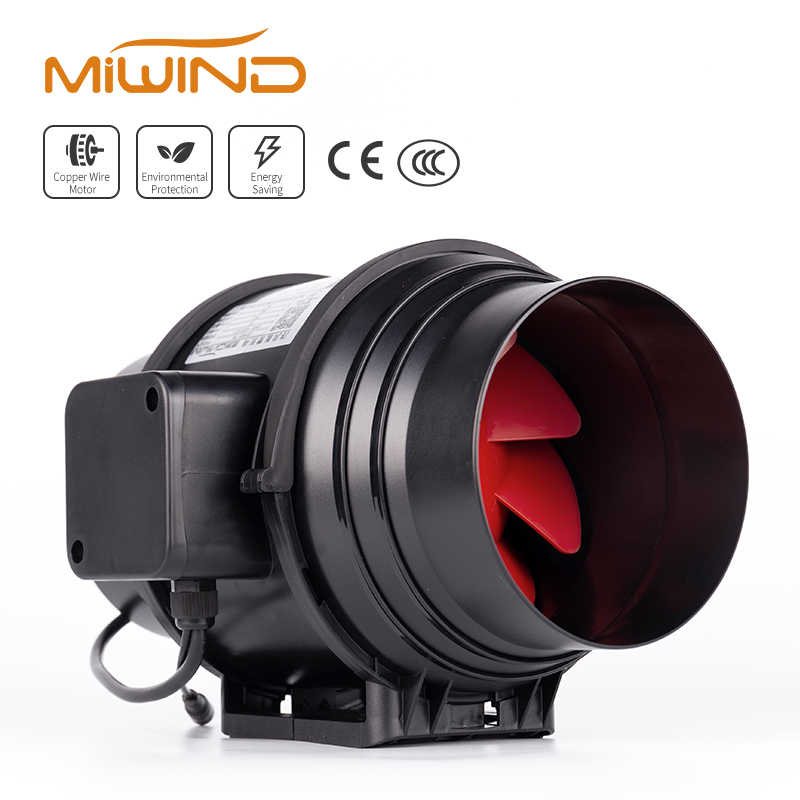
Integrating a duct fan into existing HVAC layouts requires careful consideration of multiple technical and design factors to ensure optimal system performance. The placement, sizing, and configuration of a duct fan can significantly impact airflow distribution, energy efficiency, and overall system reliability throughout the building. Understanding these critical integration factors helps HVAC professionals avoid common installation mistakes and achieve balanced air distribution.
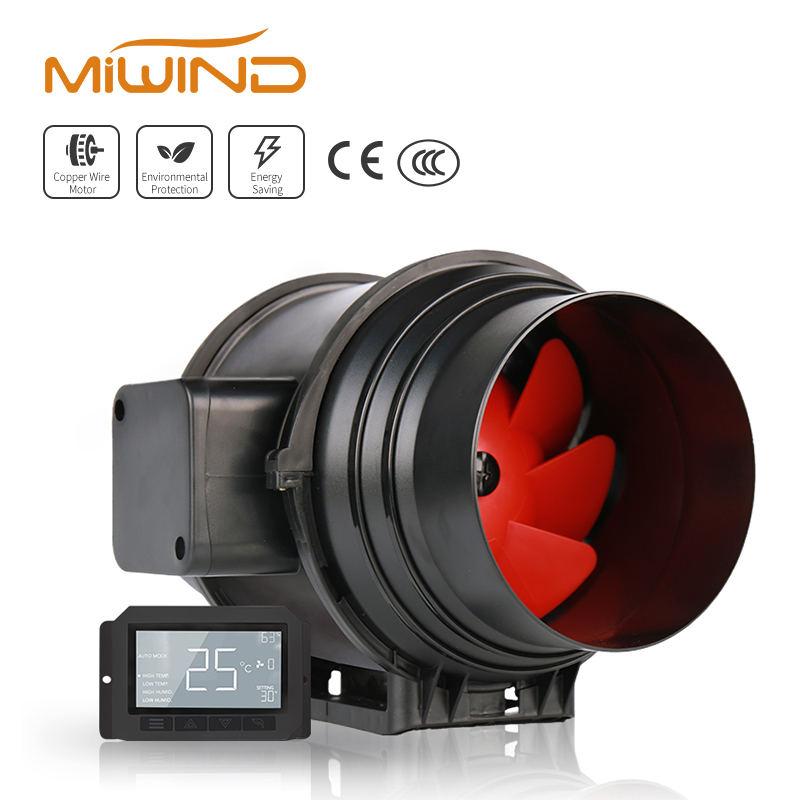
Proper duct fan integration involves evaluating existing ductwork capacity, airflow requirements, electrical infrastructure, and maintenance accessibility. Each installation presents unique challenges that require systematic analysis of system pressures, space constraints, and operational demands. The integration process must consider both immediate performance needs and long-term operational efficiency to deliver reliable air movement solutions.
System Capacity and Airflow Requirements
Calculating Existing Ductwork Load
Before integrating a duct fan into any HVAC layout, engineers must thoroughly assess the existing ductwork capacity and current airflow demands. This evaluation involves measuring static pressure readings throughout the system, identifying bottlenecks, and determining whether additional air movement capacity is needed. The duct fan selection must complement existing system capabilities rather than overwhelming or underperforming relative to current infrastructure.
Accurate load calculations require analyzing peak demand periods, seasonal variations, and zone-specific requirements. The integration process must account for how the duct fan will interact with existing fans, dampers, and control systems. This comprehensive assessment ensures that the new duct fan enhances overall system performance without creating pressure imbalances or airflow conflicts.
Professional load analysis should also consider future expansion needs and potential system modifications. The duct fan integration must provide sufficient flexibility to accommodate building changes, occupancy increases, or equipment upgrades. This forward-thinking approach prevents costly system modifications and ensures long-term operational efficiency.
Determining Optimal Fan Capacity
Selecting the appropriate duct fan capacity requires precise matching of fan performance characteristics with system requirements. The fan curve must align with the system resistance curve at the desired operating point to achieve efficient operation. Oversized duct fan units waste energy and may cause excessive noise, while undersized units fail to provide adequate air movement.
Capacity determination involves analyzing CFM requirements, static pressure needs, and operational efficiency targets. The duct fan must deliver consistent performance across varying operating conditions while maintaining energy efficiency. This analysis includes evaluating part-load performance, speed control options, and seasonal operation requirements.
Engineers must also consider the impact of duct fan operation on overall system efficiency and energy consumption. The integration should optimize total system performance rather than merely addressing local airflow issues. This holistic approach ensures that the duct fan contributes to improved building comfort and reduced operational costs.
Spatial and Physical Installation Considerations
Available Space Assessment
Physical space constraints often determine the feasibility and configuration of duct fan installations within existing HVAC layouts. Available ceiling height, duct routing limitations, and structural obstacles must be carefully evaluated during the planning phase. The duct fan unit dimensions, including housing, motor, and connection requirements, must fit within existing space parameters without compromising accessibility or performance.
Space assessment should include clearance requirements for installation, maintenance, and potential future service needs. Adequate access must be maintained for filter changes, motor service, and performance monitoring. The integration plan must also consider how the duct fan installation affects other building systems, utilities, and architectural features.
Structural support requirements for the duct fan must be evaluated relative to existing building framework and ductwork support systems. The installation may require additional structural reinforcement, vibration isolation, or modified support configurations. These structural considerations directly impact installation complexity, cost, and long-term system reliability.
Ductwork Modification Requirements
Integrating a duct fan typically requires modifications to existing ductwork, including transition pieces, mounting flanges, and potentially rerouted sections. These modifications must maintain proper airflow patterns while accommodating the duct fan housing and connection requirements. The integration design should minimize pressure losses through smooth transitions and appropriate sizing.
Ductwork modifications must also consider insulation continuity, vapor barriers, and fire safety requirements. The duct fan integration should not create thermal bridges, moisture problems, or compromise fire-rated assemblies. Proper sealing and insulation around the duct fan installation ensures energy efficiency and prevents condensation issues.
Professional installation planning should account for construction sequencing, material availability, and coordination with other trades. The ductwork modifications may require temporary system shutdowns, alternative air handling arrangements, or phased installation approaches. This planning ensures minimal disruption to building operations during the integration process.
Electrical and Control System Integration
Power Supply and Electrical Requirements
Successful duct fan integration requires careful evaluation of available electrical infrastructure and power supply capacity. The electrical requirements include motor voltage, current draw, and control circuit needs. Existing electrical panels, conduit routing, and circuit protection must be assessed to determine whether upgrades or modifications are necessary.
Power supply planning should consider starting current requirements, voltage drop calculations, and electrical code compliance. The duct fan electrical connection must meet local electrical codes while providing reliable operation and safety protection. This evaluation includes assessing ground fault protection, motor overload protection, and emergency shutdown capabilities.
Electrical integration planning must also consider energy monitoring, power factor correction, and utility rebate requirements. Modern duct fan installations often include variable frequency drives, energy monitoring systems, and smart control capabilities that require additional electrical infrastructure and configuration.
Control System Compatibility
Integrating a duct fan with existing building automation systems requires careful evaluation of control protocols, communication interfaces, and operational sequences. The duct fan control system must coordinate with existing HVAC controls to maintain proper system operation and energy efficiency. This integration includes temperature controls, pressure controls, and occupancy-based operation.
Control system compatibility involves analyzing existing control architectures, communication protocols, and programming requirements. The duct fan integration should leverage existing sensors, setpoints, and operational schedules while providing additional control capabilities. This approach minimizes system complexity while enhancing overall performance.
Advanced control integration may include demand-based operation, fault detection capabilities, and performance optimization algorithms. The duct fan control system should provide operational feedback, energy consumption data, and maintenance alerts through the building management system. This integration enables proactive maintenance and optimal energy performance.
Performance Optimization and Operational Efficiency
System Balance and Commissioning
Proper system balancing ensures that the integrated duct fan operates efficiently within the overall HVAC system without creating adverse effects on other components. The commissioning process involves testing and adjusting fan speeds, damper positions, and control sequences to achieve design performance. This systematic approach verifies that the duct fan integration meets specified airflow requirements and energy efficiency targets.
Balancing procedures should include measuring airflow rates, static pressures, and power consumption across various operating conditions. The duct fan performance must be verified against design specifications and manufacturer performance curves. Any deviations require adjustment of fan speeds, ductwork modifications, or control sequence refinements.
Comprehensive commissioning also involves documenting system performance, creating operational procedures, and training facility personnel. The commissioning process ensures that the duct fan integration delivers intended benefits while providing reliable long-term operation. This documentation becomes essential for future maintenance, troubleshooting, and system modifications.
Energy Efficiency and Cost Considerations
The economic justification for duct fan integration must consider both initial installation costs and long-term operational savings. Energy efficiency improvements, reduced maintenance requirements, and enhanced comfort levels contribute to the overall return on investment. The analysis should include utility rebates, tax incentives, and potential avoided costs from system upgrades.
Energy efficiency optimization involves selecting high-efficiency duct fan models, implementing variable speed controls, and integrating demand-based operation strategies. The energy analysis should compare current system energy consumption with projected consumption after duct fan integration. This comparison helps justify the investment and guides selection of optimal efficiency features.
Long-term cost considerations include maintenance requirements, replacement schedules, and potential system modifications. The duct fan integration should reduce overall system maintenance needs while providing reliable operation. This analysis helps building owners understand the total cost of ownership and make informed investment decisions.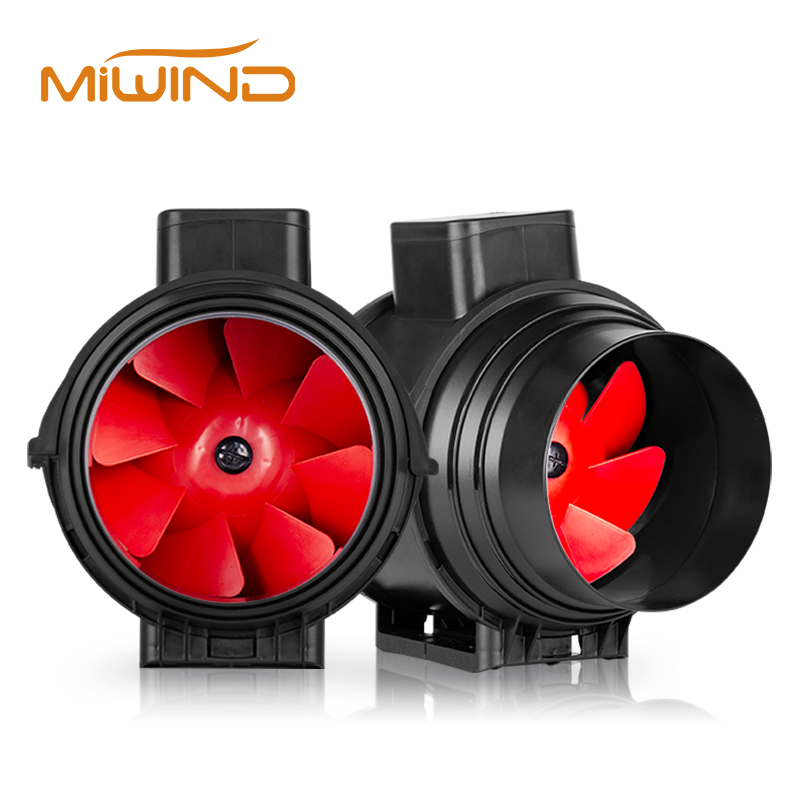
FAQ
How do you determine the right size duct fan for an existing HVAC system?
Determining the right duct fan size requires calculating the required CFM based on space requirements, measuring existing system static pressure, and selecting a fan that operates efficiently at the system operating point. Professional load calculations and fan curve analysis ensure optimal performance without oversizing or undersizing the unit.
Can a duct fan be installed in any location within the ductwork system?
Duct fan placement depends on system design, space availability, and performance objectives. Optimal locations typically provide straight duct runs for installation, adequate clearance for maintenance, and strategic positioning to enhance overall airflow distribution. Some locations may require additional structural support or ductwork modifications.
What electrical modifications are typically required for duct fan integration?
Electrical modifications may include installing dedicated circuits, upgrading panel capacity, running new conduit, and integrating control wiring with existing building automation systems. The specific requirements depend on duct fan electrical specifications, available infrastructure, and desired control capabilities.
How does duct fan integration affect existing HVAC warranties and service agreements?
Duct fan integration may impact existing HVAC warranties depending on installation methods and system modifications. Professional installation following manufacturer guidelines typically preserves warranties, while improper installation or incompatible integration may void coverage. Service agreement modifications may be necessary to include the new duct fan equipment.
Table of Contents
- System Capacity and Airflow Requirements
- Spatial and Physical Installation Considerations
- Electrical and Control System Integration
- Performance Optimization and Operational Efficiency
-
FAQ
- How do you determine the right size duct fan for an existing HVAC system?
- Can a duct fan be installed in any location within the ductwork system?
- What electrical modifications are typically required for duct fan integration?
- How does duct fan integration affect existing HVAC warranties and service agreements?