 EN
EN

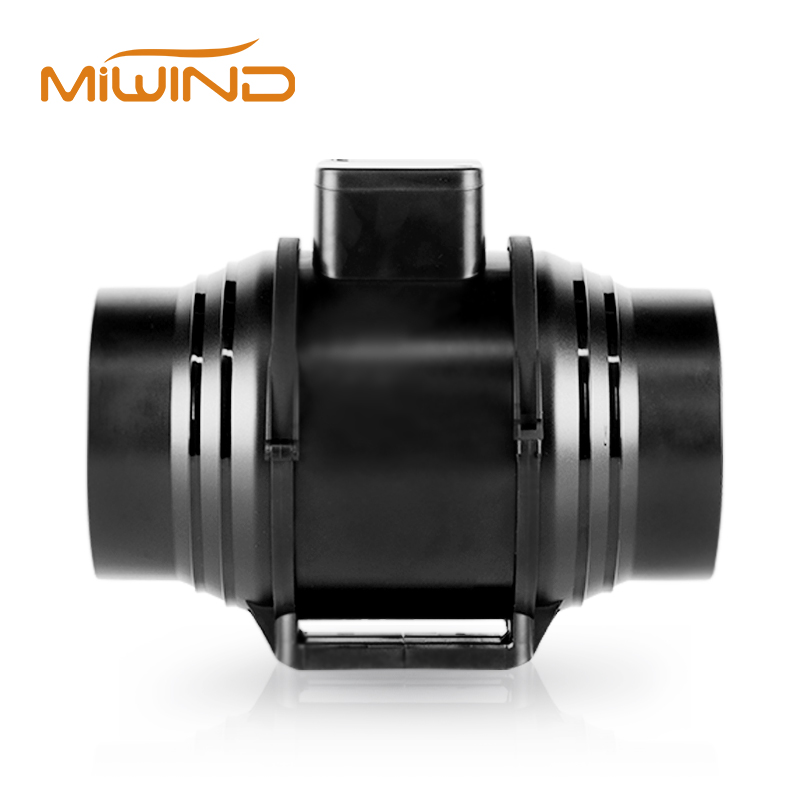
The commercial building sector is witnessing an unprecedented surge in duct fan installations, driven by evolving indoor air quality standards, energy efficiency mandates, and the growing awareness of ventilation's role in occupant health and productivity. Building owners and facility managers are increasingly recognizing that traditional HVAC systems alone cannot meet the complex airflow demands of modern commercial spaces, creating a compelling business case for supplemental duct fan systems.
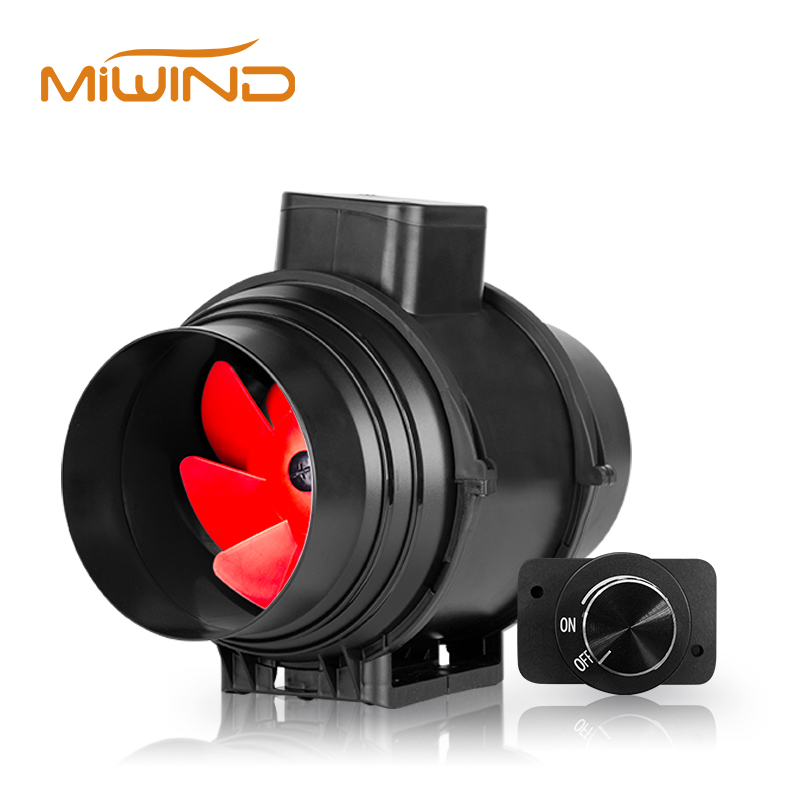
This expansion trend reflects a fundamental shift in how commercial building operators approach ventilation design and performance optimization. Rather than relying solely on centralized air handling units, forward-thinking facility managers are implementing strategic duct fan placements to address specific airflow challenges, reduce energy consumption, and ensure consistent air distribution throughout complex building layouts. The result is a growing market for inline and exhaust duct fan solutions that deliver targeted ventilation performance where it matters most.
Market Forces Driving Commercial Duct Fan Adoption
Regulatory Compliance and Indoor Air Quality Standards
Commercial buildings face increasingly stringent ventilation requirements from organizations like ASHRAE, which has updated its standards to reflect new understanding of airborne transmission risks and occupant health needs. These evolving regulations require building operators to demonstrate adequate air changes per hour and maintain specific ventilation rates in different zones, often necessitating supplemental duct fan installations to achieve compliance.
The post-pandemic focus on indoor air quality has accelerated regulatory changes, with many jurisdictions implementing enhanced ventilation codes that exceed traditional requirements. Building owners must now provide verifiable airflow performance data, creating demand for duct fan systems that can deliver measurable, controllable ventilation improvements in targeted areas.
Local building codes are also incorporating more sophisticated ventilation requirements that consider occupancy density, activity levels, and space usage patterns. This regulatory complexity often reveals gaps in existing HVAC capacity, making duct fan installations a practical solution for achieving code compliance without major system overhauls.
Energy Efficiency and Operating Cost Pressures
Commercial building operators face mounting pressure to reduce energy consumption while maintaining occupant comfort, creating a perfect application scenario for strategically placed duct fan systems. Unlike oversizing central HVAC equipment to address localized airflow issues, targeted duct fan installations allow for precise ventilation control that minimizes energy waste.
The ability to operate duct fan systems on demand or with variable speed controls enables building operators to match ventilation capacity with actual occupancy patterns and usage requirements. This operational flexibility translates to significant energy savings compared to running oversized central systems at constant speeds to address intermittent airflow needs.
Utility rebate programs and green building certification requirements are also incentivizing efficient ventilation solutions, with many programs specifically recognizing duct fan installations as qualifying energy efficiency improvements. These financial incentives make the business case for duct fan expansion even more compelling for cost-conscious building operators.
Technical Advantages Driving Installation Growth
Targeted Airflow Control and Zone Management
Modern commercial buildings often feature diverse spaces with varying ventilation requirements, from high-occupancy conference rooms to specialized equipment areas that generate heat or contaminants. Traditional centralized HVAC systems struggle to provide optimal airflow control across these different zones, making duct fan installations an essential complement for achieving balanced ventilation performance.
The installation of inline duct fan units allows facility managers to boost airflow in specific areas without affecting the overall system balance or requiring expensive ductwork modifications. This targeted approach enables precise control over air changes per hour in critical spaces while maintaining system efficiency and reducing the risk of over-ventilating less critical areas.
Advanced duct fan models now include integrated controls that can respond to occupancy sensors, air quality monitors, or building management system inputs, providing automated zone-specific ventilation that adapts to real-time conditions. This intelligent operation capability makes duct fan installations increasingly attractive for building operators seeking responsive, efficient ventilation solutions.
Retrofitting Flexibility and Installation Efficiency
The compact design and flexible mounting options of modern duct fan units make them ideal for retrofit applications in existing commercial buildings where major HVAC modifications would be cost-prohibitive or disruptive. Building operators can address ventilation deficiencies by installing duct fan systems within existing ductwork without requiring extensive construction or tenant displacement.
Installation efficiency has improved dramatically with the development of duct fan models designed for quick mounting and electrical connection, often requiring only basic hand tools and standard electrical practices. This ease of installation reduces labor costs and project timelines, making duct fan upgrades accessible even for buildings with limited maintenance budgets.
The ability to install duct fan units incrementally allows building operators to address ventilation issues on a priority basis, spreading costs over multiple budget cycles while delivering immediate performance improvements in the most critical areas first. This phased approach to ventilation enhancement has proven particularly attractive for large commercial properties with diverse tenant requirements.
Health and Productivity Business Drivers
Occupant Wellness and Workplace Performance
Research linking indoor air quality to cognitive performance and employee productivity has created a compelling business case for enhanced ventilation in commercial buildings. Studies demonstrate that improved ventilation rates can increase occupant cognitive function by significant percentages, translating to measurable productivity gains that justify the investment in duct fan installations.
Building owners and corporate tenants are increasingly viewing ventilation improvements as a competitive advantage in attracting and retaining employees, particularly in knowledge work environments where cognitive performance directly impacts business outcomes. The ability to demonstrate superior indoor air quality through enhanced duct fan ventilation systems has become a marketable asset for premium commercial properties.
The growing emphasis on wellness certifications and healthy building standards has made adequate ventilation a tenant expectation rather than merely a code requirement. Commercial buildings that can provide documented air quality performance through strategic duct fan installations often command higher rents and experience lower vacancy rates.
Risk Mitigation and Business Continuity
The pandemic highlighted the critical role of ventilation in reducing airborne transmission risks, making enhanced air circulation a business continuity requirement for many commercial operations. Building operators now view duct fan installations as risk mitigation investments that help ensure safe occupancy and reduce liability exposure.
Insurance companies and corporate risk management departments are increasingly evaluating building ventilation systems as part of their assessment processes, with inadequate airflow capacity potentially impacting coverage or premiums. Proactive duct fan installations can demonstrate commitment to occupant safety and potentially reduce insurance-related costs.
The ability to quickly enhance ventilation capacity through duct fan installations also provides operational resilience, allowing building operators to adapt to changing occupancy patterns, new tenant requirements, or evolving health guidance without major capital expenditures or extended construction timelines.
Technology Innovation and System Integration
Smart Controls and Building Automation Integration
The integration of duct fan systems with intelligent building management platforms has transformed these units from simple air moving devices into sophisticated components of comprehensive indoor environmental control strategies. Modern duct fan installations can interface with occupancy sensors, air quality monitors, and centralized control systems to provide responsive, demand-based ventilation.
Advanced duct fan models now feature variable speed drives, wireless connectivity, and programmable controls that enable precise airflow modulation based on real-time conditions. This technological sophistication allows building operators to optimize energy consumption while maintaining optimal indoor air quality across diverse commercial spaces.
The development of predictive maintenance capabilities in modern duct fan systems reduces operational risks and maintenance costs, providing building operators with advance warning of potential issues and enabling proactive component replacement before system failures occur. This reliability enhancement makes duct fan installations even more attractive for mission-critical commercial applications.
Performance Monitoring and Data Analytics
Contemporary duct fan installations often include integrated sensors and data logging capabilities that provide building operators with detailed performance analytics and compliance documentation. This data visibility enables continuous optimization of ventilation strategies and provides valuable insights for future building improvements.
The ability to track and report actual airflow performance through connected duct fan systems helps building operators demonstrate regulatory compliance, validate energy efficiency measures, and identify opportunities for further optimization. This data-driven approach to ventilation management has become increasingly important for commercial buildings pursuing green certifications or tenant satisfaction metrics.
Remote monitoring capabilities allow facility management teams to oversee multiple duct fan installations across large commercial portfolios, enabling centralized optimization and rapid response to performance issues. This operational efficiency has made duct fan systems particularly attractive for commercial real estate operators managing multiple properties.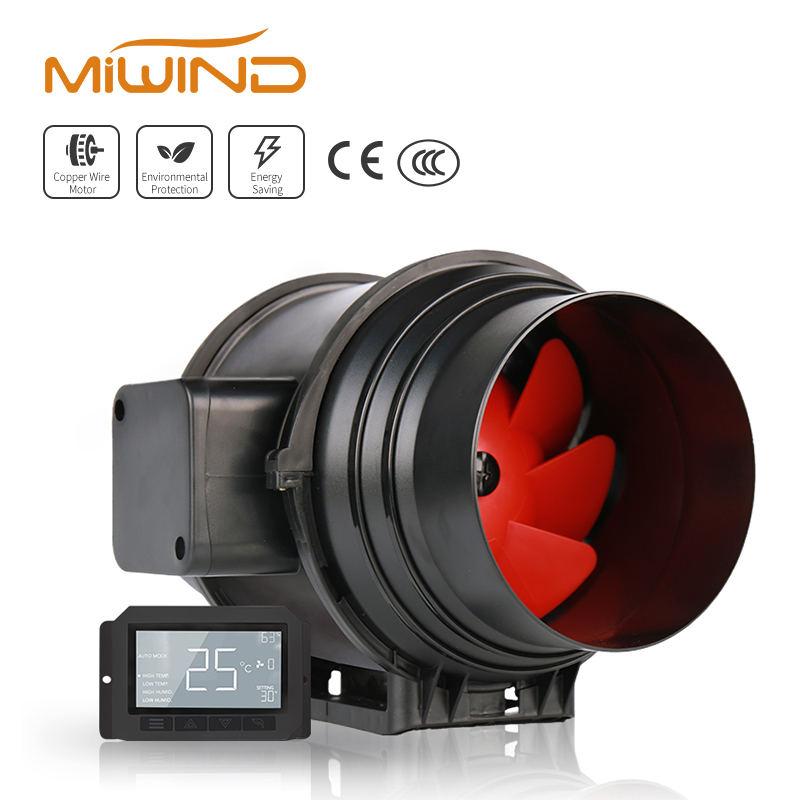
FAQ
What building types benefit most from duct fan installations?
Office buildings, healthcare facilities, educational institutions, and mixed-use commercial properties see the greatest benefits from duct fan installations, particularly those with complex layouts, varying occupancy patterns, or specialized ventilation requirements that exceed the capacity of traditional centralized HVAC systems.
How do duct fan installations impact overall HVAC system performance?
Properly designed duct fan installations complement existing HVAC systems by providing targeted airflow enhancement without overloading central equipment, often improving overall system efficiency while reducing the workload on primary air handling units and extending equipment lifespan.
What maintenance requirements should building operators expect with duct fan systems?
Modern duct fan installations typically require minimal maintenance, with most units needing only periodic filter changes, annual bearing lubrication, and routine electrical connection inspections, making them cost-effective long-term ventilation solutions for commercial building operators.
Can duct fan installations help buildings achieve green certification requirements?
Yes, strategic duct fan installations can contribute to LEED, BREEAM, and other green building certification requirements by demonstrating enhanced indoor air quality, energy-efficient ventilation strategies, and occupant comfort improvements that align with sustainable building operation standards.
Table of Contents
- Market Forces Driving Commercial Duct Fan Adoption
- Technical Advantages Driving Installation Growth
- Health and Productivity Business Drivers
- Technology Innovation and System Integration
-
FAQ
- What building types benefit most from duct fan installations?
- How do duct fan installations impact overall HVAC system performance?
- What maintenance requirements should building operators expect with duct fan systems?
- Can duct fan installations help buildings achieve green certification requirements?