 EN
EN

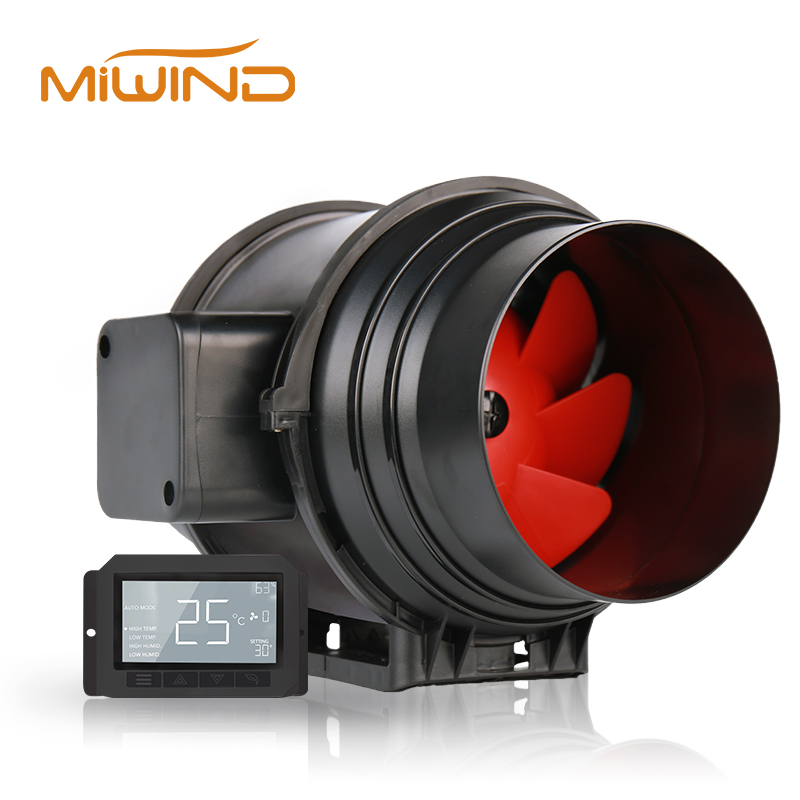
Long ventilation ducts present unique engineering challenges that can severely compromise air circulation efficiency and system performance. When air travels through extended ductwork systems, it encounters significant resistance forces that gradually reduce airflow velocity and volume, creating pressure drops that standard HVAC equipment often cannot overcome. These challenges become particularly problematic in commercial buildings, industrial facilities, and multi-story structures where ductwork must traverse considerable distances to reach all zones requiring ventilation.
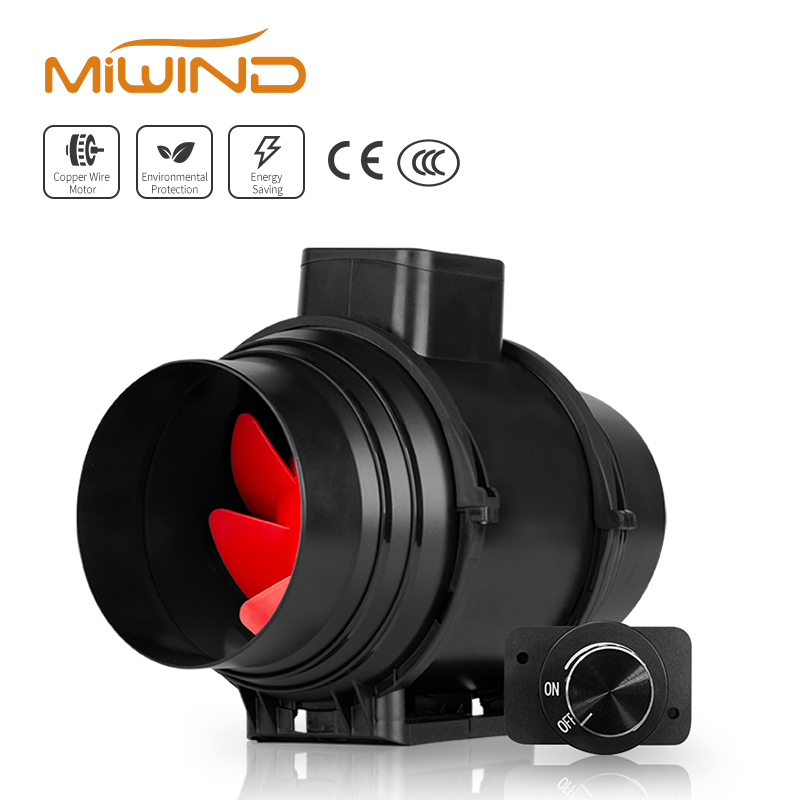
Understanding the specific challenges that arise in long ventilation ducts is crucial for building engineers and facility managers who need to maintain optimal air quality and circulation throughout their structures. These issues extend beyond simple airflow reduction and encompass energy efficiency concerns, air quality degradation, temperature control difficulties, and potential health and safety implications. The implementation of strategic solutions requires careful analysis of each challenge and its impact on overall system performance.
Pressure Drop and Airflow Resistance Challenges
Friction Losses in Extended Ductwork
Extended ductwork systems experience substantial friction losses as air travels through the ducts, with resistance increasing proportionally to duct length. This friction occurs between the moving air and duct surfaces, creating drag forces that progressively slow air movement and reduce overall system efficiency. In long duct runs, these friction losses can become so significant that air barely reaches the end zones of the ventilation system.
The challenge becomes more pronounced when ductwork includes multiple bends, transitions, and size changes that further increase resistance. Each fitting, elbow, and reducer adds additional pressure loss to the system, compounding the problem in long ventilation runs. A properly sized duct fan can effectively counter these friction losses by providing localized pressure boost at strategic points along the duct system.
The cumulative effect of friction losses means that without intervention, air velocity at the end of long ducts can drop to less than fifty percent of the original design flow rate. This significant reduction compromises the entire ventilation system's ability to maintain proper air changes and environmental conditions in the served spaces.
Static Pressure Imbalances
Long ductwork systems often develop static pressure imbalances that create uneven air distribution throughout the ventilation network. These imbalances occur when certain branches of the duct system receive adequate airflow while others become starved due to pressure differentials and resistance variations. The challenge is particularly acute in systems with multiple branches and varying duct lengths.
Static pressure problems manifest as zones that receive insufficient ventilation while other areas may experience excessive airflow, creating comfort and air quality issues throughout the building. Traditional balancing dampers can help address some imbalances, but they often cannot overcome the fundamental pressure deficits that develop in long duct runs.
Duct fan systems provide targeted pressure boosting that helps equalize static pressures throughout long ventilation networks. By strategically placing these units at calculated intervals, engineers can maintain more consistent pressure levels and achieve better overall air distribution balance across all served zones.
Energy Efficiency and Operating Cost Issues
Increased Main Fan Energy Consumption
When ventilation systems must overcome the resistance of long ductwork, main fans often operate at higher speeds and consume significantly more energy to maintain adequate airflow. This increased energy consumption directly translates to higher operating costs and reduced overall system efficiency. The challenge becomes more severe as duct length increases and system resistance grows.
Main HVAC fans operating under high resistance conditions also experience reduced lifespan due to increased mechanical stress and continuous high-load operation. The constant strain of pushing air through long, restrictive ductwork can lead to premature bearing wear, motor overheating, and other mechanical failures that result in costly repairs and system downtime.
Strategic placement of duct fan units along long ventilation runs can reduce the load on main system fans, allowing them to operate more efficiently at lower speeds and power consumption levels. This distributed approach to air movement often results in significant energy savings compared to relying solely on increased main fan capacity.
System Oversizing and Capital Cost Impact
To compensate for pressure losses in long ductwork, engineers often must specify oversized main HVAC equipment that can generate sufficient pressure to overcome system resistance. This oversizing requirement increases initial capital costs and results in equipment that operates inefficiently during most operating conditions when full capacity is not needed.
Oversized systems also create control challenges, as they may cycle on and off frequently or operate at reduced efficiency during partial load conditions. The inability to modulate effectively can lead to poor humidity control, temperature swings, and increased wear on system components due to frequent cycling.
By incorporating duct fan systems into long ventilation runs, engineers can often specify appropriately sized main equipment while using localized boosting to overcome distance-related pressure losses. This approach optimizes both capital costs and operating efficiency while maintaining proper air distribution throughout the system.
Air Quality and Distribution Problems
Inadequate Air Changes in Remote Zones
Long ventilation ducts often result in insufficient air changes in zones located farthest from the main HVAC equipment. This reduction in air change rates can lead to poor indoor air quality, with contaminants, odors, and moisture accumulating in areas that receive inadequate ventilation. The challenge is particularly problematic in facilities where air quality requirements are critical for health, safety, or process control.
Reduced air changes also impact the system's ability to effectively dilute and remove pollutants generated within occupied spaces. In commercial and industrial environments, this can create compliance issues with ventilation codes and standards that specify minimum air change requirements for different space types.
Duct fan installations can restore proper air change rates to remote zones by overcoming the pressure losses that occur in long duct runs. This ensures that all areas receive adequate ventilation according to design requirements and applicable codes, maintaining consistent air quality throughout the facility.
Temperature Stratification and Mixing Issues
Long ductwork systems often experience temperature stratification problems where conditioned air loses thermal energy during transport, arriving at destination zones at temperatures significantly different from design conditions. This thermal loss reduces the effectiveness of heating and cooling systems and can create uncomfortable conditions in served spaces.
Poor air mixing in long ducts can also lead to thermal stratification within the ductwork itself, where hot and cold air layers form and persist throughout the system. This stratification reduces heat transfer efficiency and can cause uneven temperatures at supply outlets, creating comfort complaints and inefficient operation.
Strategic duct fan placement can improve air mixing and reduce thermal stratification by creating turbulence and maintaining adequate air velocities throughout long duct runs. This enhanced mixing helps preserve the thermal characteristics of conditioned air and ensures more consistent temperatures at all supply outlets.
System Performance and Control Challenges
Variable Airflow Control Difficulties
Long ductwork systems present significant challenges for variable airflow control strategies, as pressure changes at one point in the system can have unexpected effects throughout the entire network. These interactions make it difficult to implement effective demand-controlled ventilation or other energy-saving variable flow strategies.
The time delay inherent in long duct systems also complicates control response, as changes in fan operation or damper position may not be reflected in system performance for several minutes. This delay makes precise control difficult and can lead to hunting or unstable operation in automated systems.
Duct fan systems with integrated controls can provide more responsive and localized airflow control in long ventilation networks. These units can respond quickly to local conditions and demand changes, improving overall system responsiveness and control stability while maintaining proper air distribution.
Maintenance Access and System Reliability
Long ductwork systems often have limited access points for maintenance and inspection, making it difficult to identify and address performance problems before they become serious issues. This accessibility challenge can lead to delayed maintenance, system degradation, and unexpected failures that impact building operations.
The complexity of diagnosing airflow problems in long duct systems also creates reliability challenges, as issues may not be apparent until they become severe enough to cause obvious comfort or air quality problems. By the time problems are identified, extensive investigation and costly repairs may be required to restore proper system function.
Modern duct fan systems often include monitoring capabilities and accessible service points that simplify maintenance and troubleshooting in long ventilation networks. These features help facility managers identify potential issues early and maintain optimal system performance with less extensive investigation and downtime.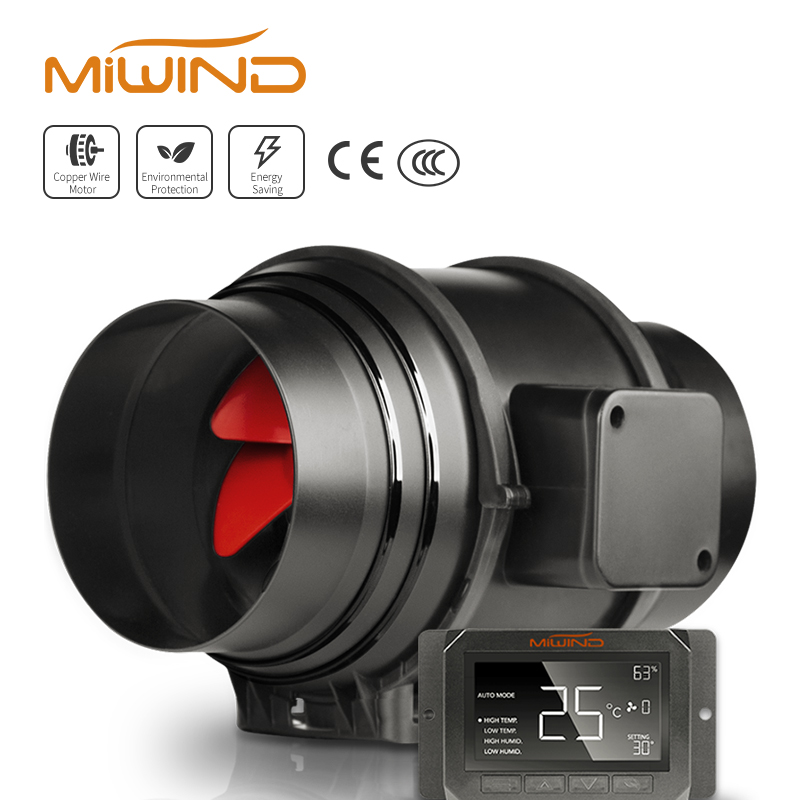
FAQ
How do you calculate the number of duct fans needed for a long ventilation system?
Calculating the number of duct fans required involves determining total system pressure loss, available static pressure from the main fan, and the boost pressure needed at various points along the duct run. Engineers typically perform detailed pressure loss calculations considering duct length, fittings, and design airflow rates, then place duct fan units at intervals where static pressure drops below acceptable levels for proper air distribution.
Can duct fans operate continuously without causing system pressure problems?
Yes, properly sized and controlled duct fans can operate continuously when integrated correctly into the ventilation system design. Modern duct fan units include controls that prevent over-pressurization and can modulate their operation based on system demand. However, proper system design and commissioning are essential to ensure that duct fan operation complements rather than conflicts with main system operation.
What maintenance is required for duct fan systems in long ventilation runs?
Duct fan maintenance typically includes regular inspection of fan blades and housing for dirt accumulation, checking motor bearings and electrical connections, and verifying proper operation of control systems. Most units require filter cleaning or replacement, lubrication of moving parts, and periodic performance verification to ensure they continue providing the intended pressure boost. Access panels should be installed during initial construction to facilitate routine maintenance activities.
How do duct fans affect overall system acoustics and noise levels?
Well-designed duct fan systems can actually reduce overall system noise by allowing main fans to operate at lower speeds and reduced pressure levels. However, improperly sized or installed duct fans may create additional noise sources, particularly if they operate at high speeds or create turbulence in the airstream. Sound attenuation measures and proper fan selection based on acoustic criteria help minimize noise impact while maintaining ventilation performance.
Table of Contents
- Pressure Drop and Airflow Resistance Challenges
- Energy Efficiency and Operating Cost Issues
- Air Quality and Distribution Problems
- System Performance and Control Challenges
-
FAQ
- How do you calculate the number of duct fans needed for a long ventilation system?
- Can duct fans operate continuously without causing system pressure problems?
- What maintenance is required for duct fan systems in long ventilation runs?
- How do duct fans affect overall system acoustics and noise levels?