 EN
EN

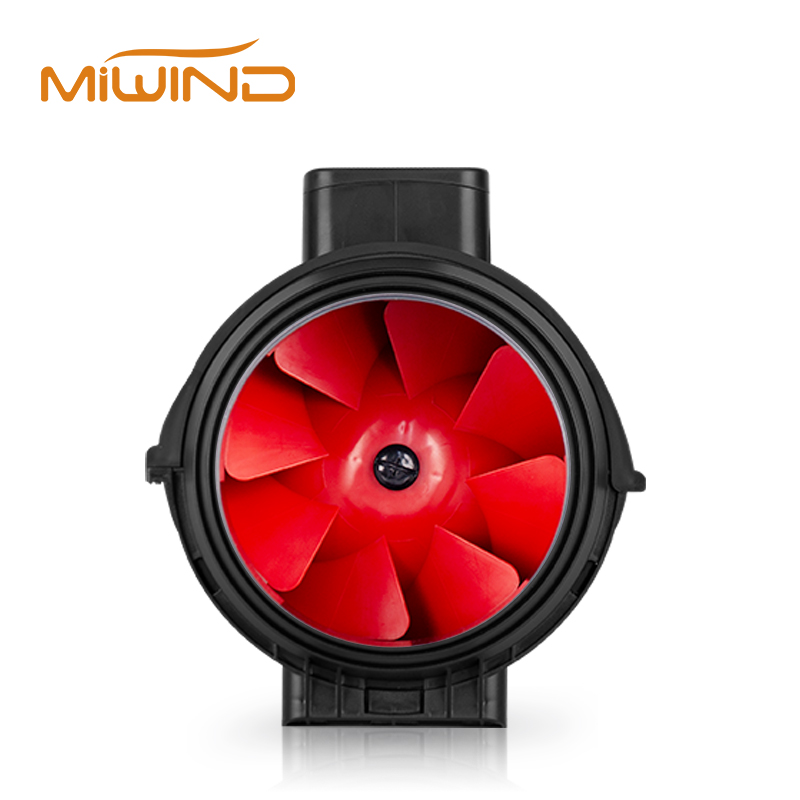
Modern duct fan technology has undergone significant transformation in recent years, driven by the increasing demand for energy-efficient and quieter HVAC systems. These advancements address two critical performance metrics that directly impact operational costs and user comfort in commercial and residential buildings. Understanding how contemporary duct fan designs achieve superior energy and noise performance requires examining the innovative engineering approaches that have revolutionized this essential component of ventilation systems.
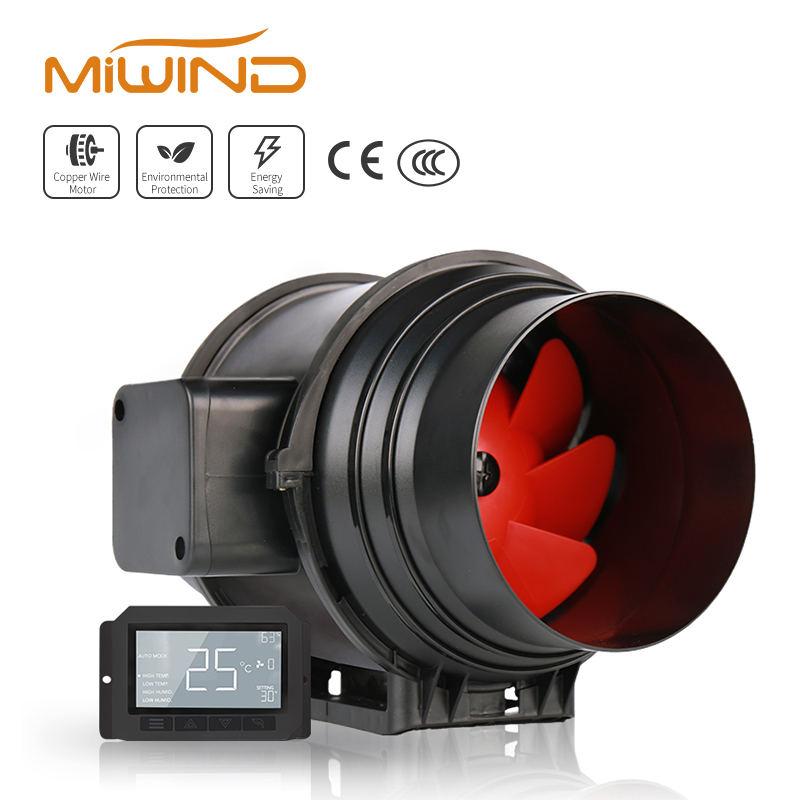
The evolution of duct fan design represents a convergence of advanced materials science, computational fluid dynamics, and precision manufacturing techniques. Today's high-performance units achieve remarkable improvements in both energy efficiency and acoustic performance through carefully engineered blade geometries, optimized motor technologies, and sophisticated control systems. These innovations enable building owners to reduce operational expenses while maintaining superior indoor air quality and occupant satisfaction.
Aerodynamic Blade Design Innovations
Advanced Blade Geometry and Curvature
Contemporary duct fan manufacturers employ sophisticated computational fluid dynamics modeling to optimize blade profiles for maximum airflow efficiency. The curved blade designs feature precisely calculated angles and camber that reduce turbulence while maximizing air movement per unit of energy consumed. These aerodynamically refined blades create smoother airflow patterns that translate directly into lower power requirements and reduced operational noise.
The implementation of backward-curved blade designs has become increasingly prevalent in modern duct fan applications. This configuration allows the fan to maintain stable performance across varying system pressures while consuming less energy than traditional forward-curved alternatives. The backward curvature also contributes to quieter operation by minimizing the sharp pressure changes that generate unwanted acoustic emissions.
Three-dimensional blade modeling enables engineers to optimize the entire surface area for uniform pressure distribution. This comprehensive approach eliminates hot spots of turbulence that traditionally created both energy losses and noise generation points. The result is a duct fan that operates with significantly improved efficiency across its entire performance range.
Materials and Manufacturing Precision
Advanced composite materials and precision manufacturing techniques enable the production of lighter, stronger fan blades that maintain their aerodynamic profiles under operational stress. These materials resist deformation and fatigue, ensuring consistent performance throughout the unit's operational lifetime. The improved dimensional stability directly contributes to sustained energy efficiency and noise control.
Computer-controlled machining processes achieve blade tolerances that were impossible with traditional manufacturing methods. This precision ensures that each blade contributes equally to the overall airflow pattern, eliminating the imbalances that create vibration and inefficiency. The manufacturing consistency also enables tighter clearances between rotating and stationary components, reducing air leakage and improving overall system efficiency.
Surface finishing technologies create ultra-smooth blade surfaces that minimize boundary layer turbulence. These advanced finishes reduce the friction between moving air and blade surfaces, contributing to both improved energy performance and reduced noise generation. The smoother surfaces also resist dust accumulation, maintaining performance over extended operating periods.
Motor Technology and Control Systems
High-Efficiency Motor Integration
Modern duct fan systems incorporate electronically commutated motors that deliver superior efficiency compared to traditional induction motors. These advanced motors eliminate the energy losses associated with slip and provide precise speed control across the entire operating range. The improved efficiency translates directly into reduced energy consumption and lower operating costs for building owners.
Variable frequency drive integration allows duct fan systems to modulate their output in response to actual demand rather than operating at fixed speeds. This demand-responsive operation significantly reduces energy consumption during periods of lower ventilation requirements while maintaining optimal performance when full capacity is needed. The ability to operate at reduced speeds also contributes to quieter operation during off-peak periods.
Magnetic bearing systems in premium duct fan applications eliminate the friction and maintenance requirements associated with traditional mechanical bearings. These contactless bearing systems operate with virtually no energy loss and produce minimal noise, while also extending the operational life of the fan system. The absence of lubrication requirements further reduces maintenance costs and environmental impact.
Intelligent Control and Monitoring
Smart control systems continuously monitor duct fan performance and adjust operation parameters to maintain optimal efficiency. These systems track variables such as airflow, pressure, temperature, and power consumption to identify opportunities for energy savings. The real-time optimization capabilities ensure that the fan operates at peak efficiency regardless of changing system conditions.
Predictive maintenance algorithms analyze operational data to identify potential issues before they impact performance or reliability. This proactive approach prevents the gradual efficiency degradation that occurs when components begin to wear or become contaminated. Early intervention maintains both energy performance and noise characteristics throughout the system's operational life.
Integration with building management systems enables coordinated operation with other HVAC components for system-wide optimization. This holistic approach ensures that duct fan operation complements rather than conflicts with heating, cooling, and other ventilation components. The coordinated control strategy maximizes overall system efficiency while maintaining optimal indoor air quality.
Acoustic Engineering and Noise Reduction
Sound Attenuation Technologies
Advanced acoustic engineering in modern duct fan design focuses on eliminating noise at its source rather than simply masking it. Computational acoustics modeling identifies the specific frequencies and locations where noise generation occurs, enabling targeted design modifications that address these issues directly. This scientific approach results in inherently quieter operation rather than relying on external sound dampening measures.
Resonance-tuned housing designs incorporate specific geometric features that destructively interfere with problematic frequencies. These acoustically engineered enclosures effectively cancel noise without adding bulk or complexity to the installation. The integrated approach eliminates the need for separate silencers or acoustic treatments in many applications.
Multi-stage noise reduction systems combine several complementary technologies to achieve exceptional acoustic performance. These systems address both airborne and structure-borne noise transmission through carefully designed isolation mounts, acoustic linings, and vibration dampening materials. The comprehensive approach ensures quiet operation across all operating conditions and frequencies.
Vibration Control and Isolation
Precision balancing techniques eliminate the rotational imbalances that create vibration and associated noise in duct fan systems. Advanced balancing equipment can detect and correct minute imbalances that would be imperceptible to traditional methods but contribute to long-term noise issues. This attention to rotational precision ensures quiet operation throughout the fan's operational life.
Active vibration control systems use sensors and actuators to counteract vibrations in real-time. These sophisticated systems detect the onset of problematic vibrations and generate opposing forces to cancel them before they can propagate through the building structure. The active approach provides superior noise control compared to passive isolation methods alone.
Flexible connections and isolation mounts prevent the transmission of vibrations from the duct fan to the surrounding structure. These engineered connections maintain the mechanical integrity necessary for proper operation while effectively blocking the transmission of noise and vibration. The isolation systems are designed to maintain their effectiveness throughout the system's operational life without requiring adjustment or maintenance.
System Integration and Optimization
Duct Design Compatibility
Modern duct fan designs consider the entire airflow system to optimize performance and minimize energy losses. The fan characteristics are matched to typical ductwork configurations to ensure optimal efficiency across common installation scenarios. This system-level approach prevents the performance degradation that occurs when fans are mismatched to their operating environment.
Computational fluid dynamics modeling extends beyond the fan itself to analyze interactions with upstream and downstream ductwork components. This comprehensive analysis identifies opportunities to improve overall system efficiency through coordinated design of the fan and its immediate environment. The integrated approach often reveals significant performance improvements that would be missed by considering components in isolation.
Variable geometry inlet designs adapt to different ductwork configurations to maintain optimal airflow patterns. These adjustable systems ensure that the duct fan can achieve peak performance regardless of installation constraints or space limitations. The adaptability eliminates the performance compromises that traditionally resulted from less-than-ideal installation conditions.
Installation and Commissioning Optimization
Standardized installation procedures and commissioning protocols ensure that duct fan systems achieve their designed performance in real-world applications. These systematic approaches address the common installation errors that can significantly impact both energy efficiency and noise performance. Proper commissioning verifies that all performance parameters meet specifications and identifies any adjustments needed for optimal operation.
Diagnostic tools and performance verification equipment enable installers and technicians to confirm proper system operation during commissioning and throughout the operational life. These tools provide objective measurements of airflow, pressure, power consumption, and acoustic performance to ensure that the system meets all design specifications. Regular verification maintains optimal performance and identifies maintenance needs before they impact efficiency.
Training programs for installation and maintenance personnel ensure that the advanced features of modern duct fan systems are properly utilized. These educational initiatives address both technical aspects and best practices for achieving optimal performance. Proper training prevents the operational issues that can compromise the energy and noise performance improvements built into contemporary designs.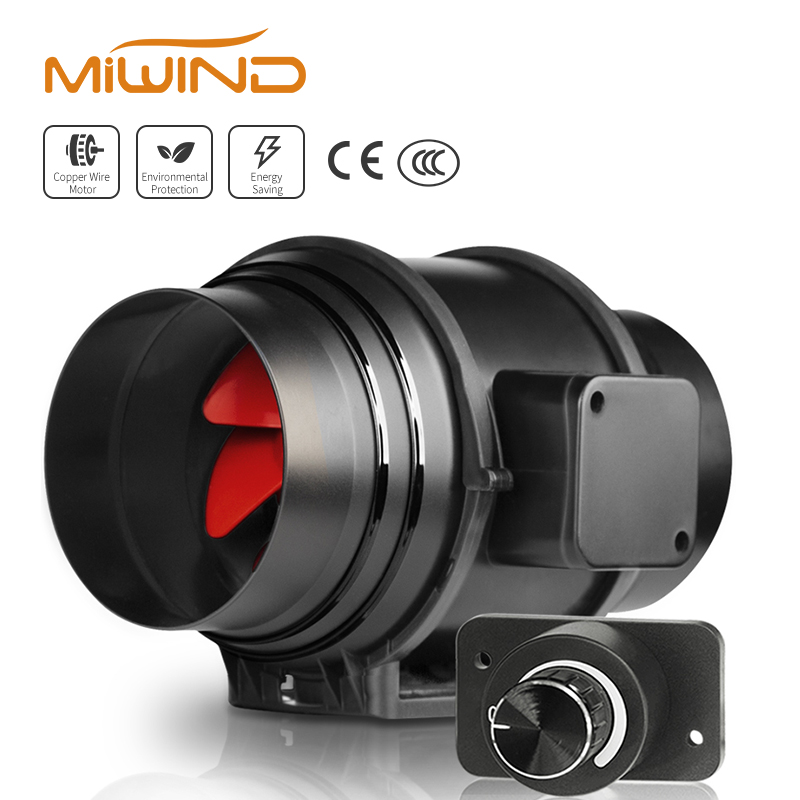
FAQ
What specific design features contribute most to improved energy efficiency in modern duct fans?
The most significant contributors to improved energy efficiency include backward-curved blade geometries optimized through computational fluid dynamics, electronically commutated motors with variable speed control, and precision manufacturing that maintains tight tolerances. These features work together to minimize energy losses while maximizing airflow output, often achieving efficiency improvements of 20-40% compared to traditional designs.
How do modern duct fans achieve quieter operation without sacrificing performance?
Noise reduction is achieved through multiple integrated approaches including aerodynamically optimized blade designs that minimize turbulence, acoustically engineered housings that cancel problematic frequencies, and precision balancing that eliminates vibration sources. Advanced materials and manufacturing techniques ensure that these noise-reducing features don't compromise airflow performance or energy efficiency.
Can existing HVAC systems benefit from upgrading to modern duct fan technology?
Most existing systems can achieve significant performance improvements through duct fan upgrades, particularly when current units are more than 10 years old. Modern fans often fit into existing installations with minimal modifications while providing substantial energy savings and noise reduction. However, optimal results require proper system analysis and sizing to ensure compatibility with existing ductwork and control systems.
What maintenance requirements do advanced duct fan systems have compared to traditional units?
Advanced duct fan systems typically require less maintenance than traditional units due to improved materials, precision manufacturing, and magnetic bearing systems that eliminate lubrication needs. Smart monitoring systems provide early warning of potential issues, enabling proactive maintenance that prevents performance degradation. Most modern systems require only periodic filter changes and annual performance verification to maintain optimal operation.
Table of Contents
- Aerodynamic Blade Design Innovations
- Motor Technology and Control Systems
- Acoustic Engineering and Noise Reduction
- System Integration and Optimization
-
FAQ
- What specific design features contribute most to improved energy efficiency in modern duct fans?
- How do modern duct fans achieve quieter operation without sacrificing performance?
- Can existing HVAC systems benefit from upgrading to modern duct fan technology?
- What maintenance requirements do advanced duct fan systems have compared to traditional units?