 EN
EN

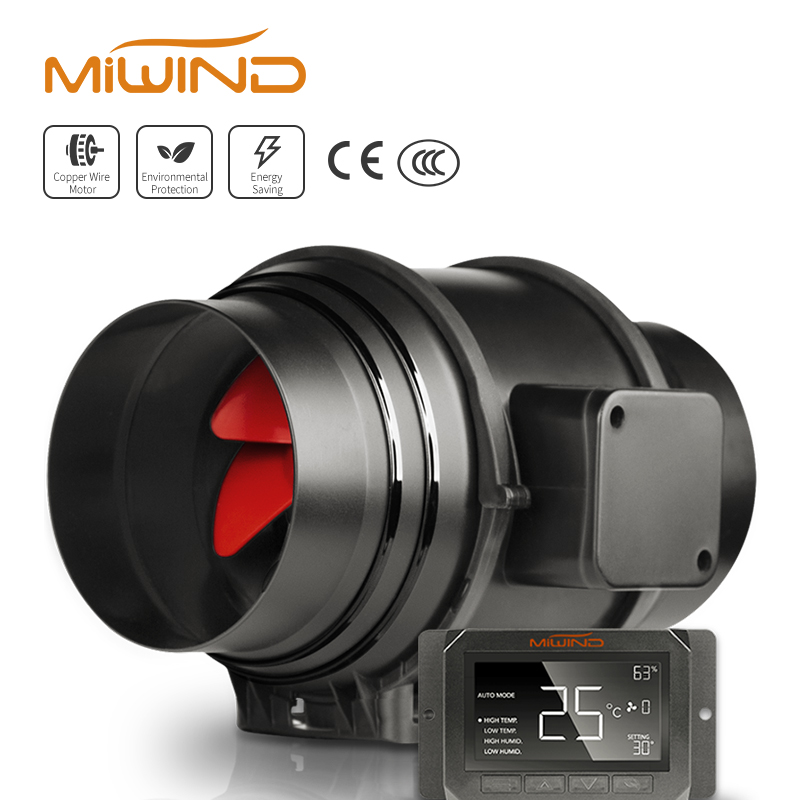
Commercial buildings face unique air circulation challenges that directly impact energy efficiency, indoor air quality, and occupant comfort. Unlike residential systems, commercial environments require robust mechanical ventilation solutions that can handle larger volumes of air movement across complex ductwork networks. The strategic implementation of duct fan systems addresses these fundamental circulation needs while providing building operators with precise control over airflow distribution throughout their facilities.
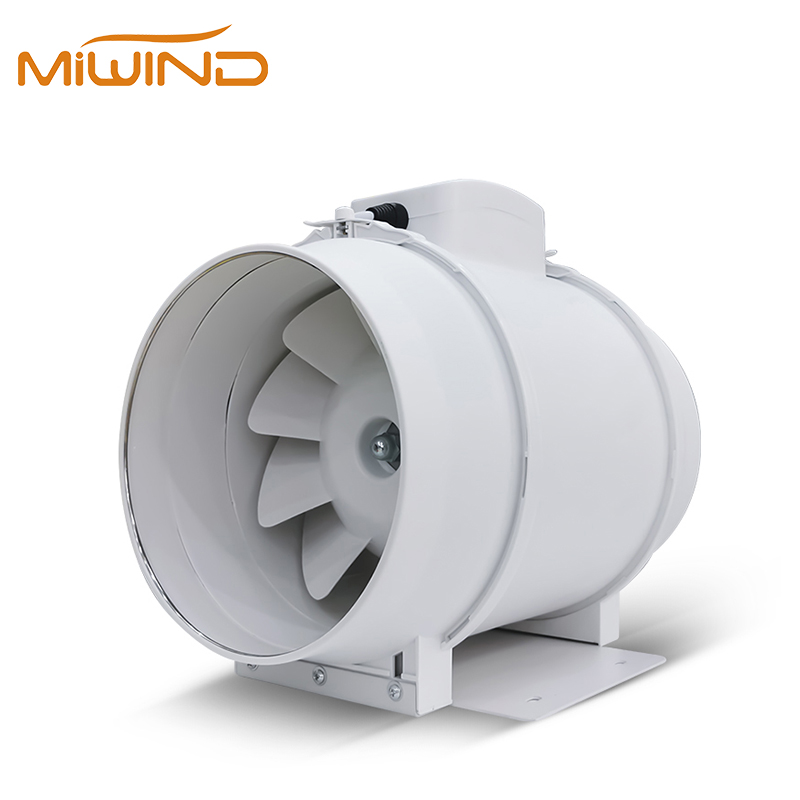
The importance of duct fan solutions extends beyond simple air movement, encompassing critical business functions including regulatory compliance, operational cost management, and maintaining productive work environments. Modern commercial facilities depend on these systems to overcome static pressure limitations, balance airflow zones, and ensure consistent ventilation performance across diverse space types. Understanding why these solutions are essential helps facility managers make informed decisions about their building's long-term air circulation strategy.
Critical Functions of Duct Fan Systems in Commercial Buildings
Overcoming Static Pressure Limitations
Commercial HVAC systems encounter significant static pressure challenges due to extended ductwork runs, multiple branch connections, and complex routing through building structures. A duct fan strategically placed within the system helps overcome these pressure drops by providing localized boost capabilities that maintain consistent airflow to distant zones. This targeted approach prevents the main HVAC unit from working harder than necessary while ensuring adequate air delivery to all occupied spaces.
The static pressure issue becomes particularly pronounced in large commercial buildings where ductwork must navigate around structural elements, mechanical rooms, and other building systems. Without proper duct fan integration, remote areas often experience insufficient airflow, leading to temperature inconsistencies and poor indoor air quality. Professional engineers calculate these pressure requirements during system design to determine optimal duct fan placement and sizing.
Zone-Specific Airflow Control
Different areas within commercial buildings have varying ventilation requirements based on occupancy levels, heat generation, and specific use patterns. Conference rooms, server rooms, kitchens, and general office spaces each demand different airflow volumes and circulation patterns. A duct fan system allows facility managers to customize air delivery to match these diverse requirements without oversizing the central HVAC equipment.
This zone-specific control capability proves especially valuable in mixed-use commercial buildings where retail spaces, offices, and specialized areas coexist. Each zone can receive appropriate ventilation levels through strategically positioned duct fan units that respond to local demand while maintaining overall system balance. This targeted approach improves both energy efficiency and occupant comfort compared to one-size-fits-all ventilation strategies.
Energy Efficiency and Operational Cost Benefits
Reduced Central System Load
Implementing duct fan solutions allows central HVAC systems to operate more efficiently by distributing the air movement workload across multiple points in the system. Rather than forcing the main unit to overcome all static pressure losses throughout the entire ductwork network, localized duct fan units handle specific circulation challenges in their designated areas. This distributed approach reduces the overall energy consumption of the primary HVAC equipment.
The energy savings become particularly significant during partial load conditions when only certain building zones require active ventilation. Individual duct fan units can operate independently to serve occupied areas while allowing the central system to reduce its output. This selective operation strategy minimizes energy waste and extends the operational life of primary HVAC components by reducing their duty cycles.
Demand-Responsive Ventilation
Modern duct fan systems integrate with building automation systems to provide demand-responsive ventilation based on real-time occupancy sensors, air quality monitors, and thermal conditions. This intelligent operation ensures that air circulation adjusts automatically to match actual building needs rather than operating at fixed schedules. The result is substantial energy savings during low-occupancy periods while maintaining optimal conditions when spaces are fully utilized.
Commercial facilities can achieve significant operational cost reductions through this responsive approach, particularly in buildings with variable occupancy patterns such as conference centers, educational facilities, and office complexes. The duct fan technology enables precise control over ventilation energy consumption while ensuring consistent indoor air quality standards.
Indoor Air Quality Management
Consistent Air Exchange Rates
Maintaining proper air exchange rates throughout commercial buildings requires consistent airflow delivery to all spaces, regardless of their distance from central air handling units. Duct fan systems ensure that remote areas receive adequate fresh air circulation to meet health and safety standards. This consistent performance prevents the accumulation of indoor pollutants, excess humidity, and stagnant air conditions that can impact occupant health and productivity.
Building codes and industry standards specify minimum air exchange requirements for different commercial space types, and duct fan systems help facilities meet these requirements reliably. Without proper air circulation support, buildings may experience compliance issues, occupant complaints, and potential liability concerns related to indoor air quality. Professional air circulation design incorporates duct fan placement to ensure code compliance across all building zones.
Contaminant Dilution and Removal
Commercial buildings generate various airborne contaminants from office equipment, cleaning products, occupant activities, and external sources. Effective duct fan systems facilitate the rapid dilution and removal of these contaminants by maintaining proper air circulation patterns throughout the building. This active air movement prevents the concentration of pollutants in specific areas and ensures continuous refreshment of indoor air.
The contaminant control function becomes critical in specialized commercial environments such as laboratories, healthcare facilities, and food service areas where specific air quality standards must be maintained. Strategic duct fan placement creates controlled airflow patterns that direct contaminants toward exhaust points while preventing their spread to adjacent spaces. This targeted approach protects both occupants and sensitive processes from air quality issues.
System Reliability and Maintenance Advantages
Distributed System Redundancy
Commercial air circulation systems benefit from the redundancy provided by distributed duct fan networks. When individual units require maintenance or experience temporary failures, other duct fan units can compensate to maintain essential air circulation in critical areas. This distributed approach reduces the risk of complete system shutdowns that could impact business operations or create unsafe conditions.
The redundancy aspect proves particularly valuable in mission-critical commercial facilities where continuous air circulation is essential for equipment protection, process requirements, or health and safety compliance. Multiple duct fan units operating in coordination provide backup capabilities that single-point central systems cannot match. This reliability advantage translates to reduced downtime and lower business risk exposure.
Simplified Maintenance Access
Duct fan systems offer improved maintenance accessibility compared to complex central air handling units. Individual duct fan units can be serviced independently without shutting down the entire building ventilation system. This modular maintenance approach minimizes operational disruptions and allows for proactive servicing during normal business hours rather than requiring after-hours or weekend maintenance windows.
The distributed maintenance model also reduces the technical complexity and cost of routine service operations. Smaller duct fan units require less specialized equipment and shorter service times compared to major central system maintenance. This efficiency translates to lower maintenance costs and improved system availability for commercial building operations.
FAQ
How do duct fan systems integrate with existing commercial HVAC equipment?
Duct fan systems integrate seamlessly with existing commercial HVAC equipment through strategic placement within the ductwork network. Professional installation involves identifying pressure drop locations, sizing units appropriately for airflow requirements, and connecting control systems to coordinate operation with central equipment. Most installations require minimal modifications to existing ductwork and can be accomplished without major system downtime.
What factors determine the optimal sizing and placement of commercial duct fans?
Optimal duct fan sizing and placement depend on static pressure calculations, airflow volume requirements, ductwork configuration, and zone-specific ventilation needs. Professional engineers analyze the building's air circulation demands, measure existing pressure losses, and calculate required boost capacities to determine appropriate duct fan specifications. Placement considers accessibility for maintenance, noise considerations, and integration with building automation systems.
Can duct fan solutions help commercial buildings meet energy efficiency certification requirements?
Yes, properly designed duct fan systems contribute significantly to energy efficiency certification programs such as LEED, ENERGY STAR, and local building performance standards. The demand-responsive operation, reduced central system load, and improved circulation efficiency support overall building energy performance metrics. Documentation of energy savings and improved air quality management helps commercial facilities achieve higher certification ratings.
What maintenance requirements should commercial building operators expect with duct fan systems?
Commercial duct fan systems typically require routine maintenance including filter replacement, motor lubrication, belt inspection, and electrical connection checks on scheduled intervals. Most units feature accessible service panels and standardized components that simplify maintenance procedures. Preventive maintenance programs should include performance monitoring, vibration analysis, and control system calibration to ensure optimal long-term operation and energy efficiency.
Table of Contents
- Critical Functions of Duct Fan Systems in Commercial Buildings
- Energy Efficiency and Operational Cost Benefits
- Indoor Air Quality Management
- System Reliability and Maintenance Advantages
-
FAQ
- How do duct fan systems integrate with existing commercial HVAC equipment?
- What factors determine the optimal sizing and placement of commercial duct fans?
- Can duct fan solutions help commercial buildings meet energy efficiency certification requirements?
- What maintenance requirements should commercial building operators expect with duct fan systems?