 EN
EN

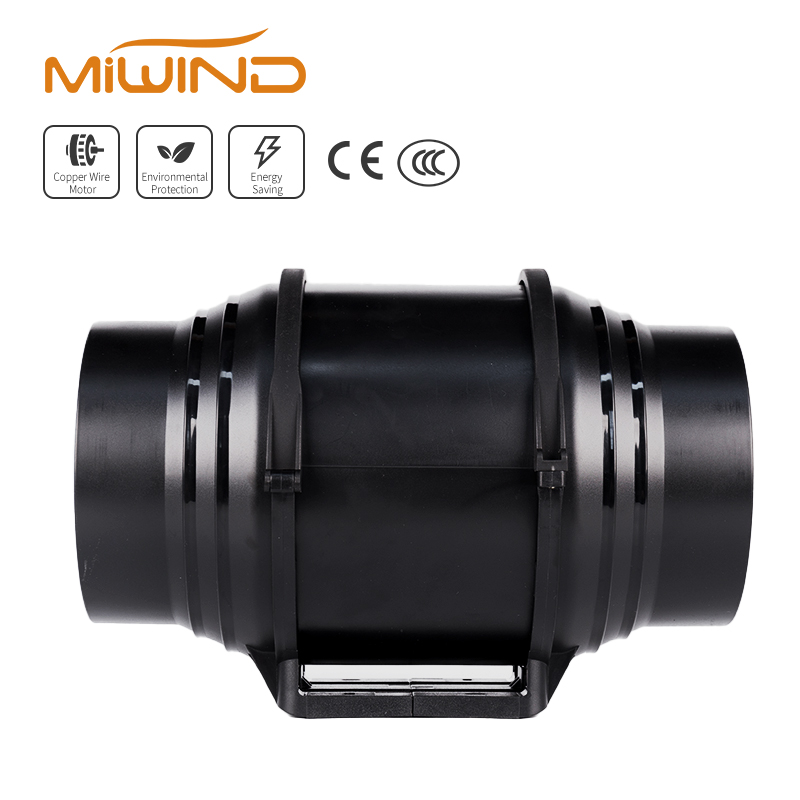
Engineers face critical decisions when selecting a duct fan for air distribution systems, as the wrong choice can lead to inefficient airflow, excessive energy consumption, and compromised system performance. The selection process requires careful evaluation of multiple technical parameters including airflow requirements, static pressure capabilities, energy efficiency ratings, and installation constraints within the existing HVAC infrastructure.
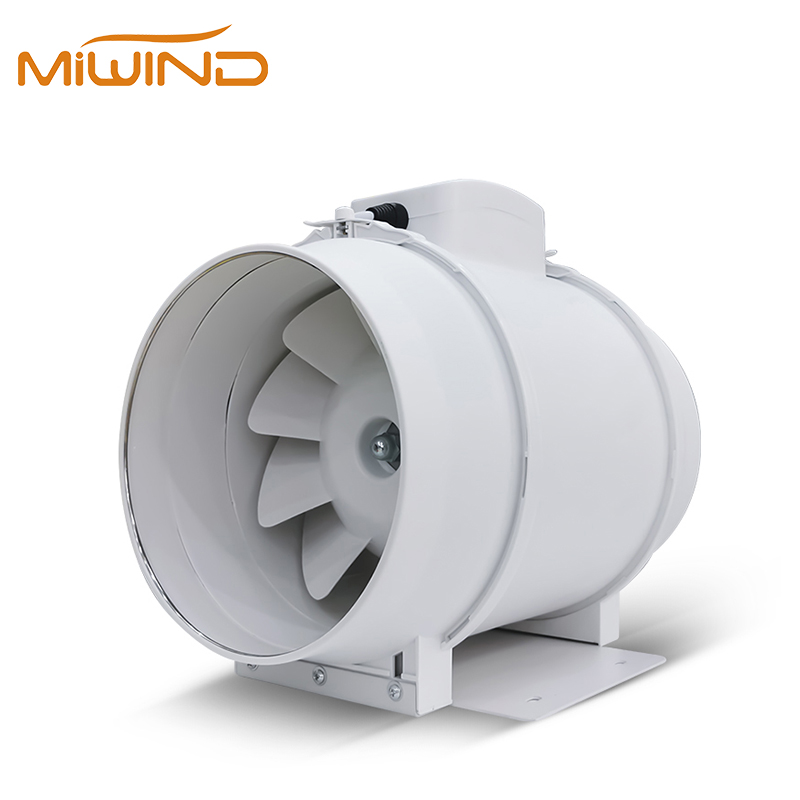
Professional engineers must consider both immediate performance needs and long-term operational costs when evaluating duct fan options for commercial and industrial applications. This systematic approach ensures optimal air distribution while maintaining energy efficiency and meeting specific ventilation standards required for different building types and occupancy levels.
Understanding Airflow Requirements for Duct Fan Selection
Calculating Volumetric Flow Rates
Engineers begin the duct fan selection process by determining the required volumetric flow rate, typically measured in cubic feet per minute (CFM) or cubic meters per hour. This calculation involves analyzing the total air change requirements for the space, considering factors such as occupancy levels, equipment heat loads, and ventilation standards. The duct fan must deliver sufficient airflow to maintain proper air quality while ensuring adequate circulation throughout the distribution network.
Accurate flow rate calculations require engineers to account for simultaneous heating, cooling, and ventilation needs across different zones within the building. The selected duct fan must handle peak demand scenarios while maintaining efficient operation during partial load conditions. Engineers often apply diversity factors to avoid oversizing the system, which can lead to poor efficiency and increased operating costs.
Assessing Static Pressure Requirements
Static pressure analysis forms a crucial component of duct fan selection, as the fan must overcome resistance from ductwork, filters, dampers, and other system components. Engineers calculate total static pressure by adding up pressure losses throughout the entire air distribution path, including straight duct runs, fittings, transitions, and terminal equipment. The chosen duct fan must provide adequate pressure to maintain design airflow rates under all operating conditions.
Pressure calculations must account for future system modifications and filter loading over time, requiring engineers to include appropriate safety factors in their selections. The duct fan performance curve must intersect the system curve at the design operating point while maintaining acceptable efficiency levels across the expected range of operating conditions.
Evaluating Fan Types and Performance Characteristics
Centrifugal vs Axial Fan Configurations
Engineers must choose between centrifugal and axial duct fan configurations based on specific application requirements and system constraints. Centrifugal fans typically provide higher static pressure capabilities and better performance with variable airflow demands, making them suitable for complex ductwork systems with significant pressure losses. These fans offer stable operation across a wide range of conditions and maintain efficiency even when system resistance changes.
Axial duct fan designs excel in applications requiring high airflow rates at relatively low static pressures, such as simple straight-through ventilation systems. Engineers select axial fans when space constraints limit installation options or when the application requires inline mounting within existing ductwork. The choice between configurations significantly impacts overall system performance and energy consumption patterns.
Motor and Drive System Considerations
Motor selection directly affects duct fan performance, energy efficiency, and operational reliability throughout the system lifecycle. Engineers evaluate motor types including premium efficiency models, electronically commutated motors, and variable frequency drive compatibility to optimize energy consumption. The motor must provide adequate torque across the full operating range while maintaining acceptable power factor and harmonic distortion levels.
Drive system selection influences the duct fan ability to respond to varying load conditions and maintain optimal efficiency during part-load operation. Engineers consider direct drive configurations for reliability and reduced maintenance requirements, while belt drive systems offer flexibility in speed adjustment and motor replacement. The chosen drive system must align with building automation requirements and control strategies.
Energy Efficiency and Operating Cost Analysis
Efficiency Metrics and Performance Standards
Engineers evaluate duct fan efficiency using standardized metrics such as fan efficiency grade (FEG) and total efficiency ratings to ensure compliance with energy codes and sustainability objectives. Modern energy standards require detailed analysis of fan power consumption relative to airflow delivery, with emphasis on maintaining high efficiency across the expected operating range. The selected duct fan must meet or exceed minimum efficiency requirements while providing reliable performance.
Performance evaluation includes assessment of part-load efficiency characteristics, as most duct fan systems operate below design capacity for significant portions of their operating time. Engineers analyze efficiency curves to identify the optimal operating range and ensure the selected fan maintains acceptable performance during variable load conditions. This analysis directly impacts long-term energy costs and system sustainability.
Life Cycle Cost Evaluation
Comprehensive life cycle cost analysis enables engineers to balance initial duct fan purchase price against long-term operating expenses including energy consumption, maintenance requirements, and replacement costs. Energy costs typically represent the largest portion of total ownership costs over the fan lifecycle, making efficiency optimization a critical selection criterion. Engineers calculate present value of energy savings to justify premium efficiency equipment investments.
Maintenance cost projections include scheduled service requirements, component replacement intervals, and expected repair frequencies based on operating conditions and duty cycles. The duct fan selection must consider accessibility for maintenance activities and availability of replacement parts throughout the expected service life. Engineers factor in potential energy cost escalation and utility incentive programs when evaluating long-term economic benefits.
Installation and System Integration Factors
Space Constraints and Mounting Requirements
Physical installation requirements significantly influence duct fan selection, as available space often constrains equipment dimensions and mounting configurations. Engineers must evaluate clearance requirements for installation, operation, and maintenance access while ensuring adequate structural support for fan weight and operational loads. The selected duct fan must fit within existing mechanical room constraints or designated equipment areas.
Mounting considerations include vibration isolation requirements, seismic restraint compliance, and integration with existing ductwork systems. Engineers analyze structural loading and specify appropriate vibration isolation systems to prevent noise transmission and structural fatigue. The duct fan installation must comply with local building codes and mechanical system requirements while maintaining accessibility for service activities.
Control System Integration
Modern duct fan applications require integration with building automation systems and sophisticated control strategies to optimize energy consumption and maintain comfort conditions. Engineers specify control interfaces including variable frequency drives, damper actuators, and sensor inputs to enable responsive system operation. The fan control system must coordinate with heating, cooling, and ventilation equipment to maintain proper air balance and energy efficiency.
Communication protocols and control algorithms must align with existing building management systems while providing necessary operational data and alarm functions. Engineers configure control sequences to optimize duct fan operation based on occupancy schedules, outdoor conditions, and indoor air quality requirements. The integrated control system enables predictive maintenance scheduling and energy optimization strategies.
FAQ
What are the most important factors engineers consider when sizing a duct fan?
Engineers prioritize airflow requirements (CFM), static pressure calculations, and energy efficiency when sizing a duct fan. They must accurately calculate the total system resistance including ductwork, fittings, and equipment to ensure the fan can deliver required airflow. Additional factors include space constraints, noise limitations, and control system integration requirements specific to the application.
How do engineers determine the optimal efficiency level for a duct fan installation?
Engineers perform life cycle cost analysis comparing initial equipment costs against projected energy savings over the fan service life. They evaluate efficiency ratings at design and part-load conditions, considering that most duct fan systems operate below full capacity. The analysis includes utility rates, operating hours, and potential incentive programs to determine the most cost-effective efficiency level.
What role does system pressure drop play in duct fan selection?
System pressure drop directly determines the static pressure capability required from the duct fan to maintain design airflow rates. Engineers calculate total pressure losses through all system components including ductwork, dampers, filters, and terminals. The fan must provide sufficient pressure to overcome these losses while maintaining efficient operation across varying system conditions and filter loading states.
How do engineers account for future system modifications when selecting a duct fan?
Engineers include appropriate safety factors and select duct fan equipment with operational flexibility to accommodate future system changes. They consider potential additions to the distribution system, changes in occupancy patterns, and evolving ventilation requirements. The fan selection often includes oversizing margins and variable speed capability to handle increased loads without requiring complete system replacement.
Table of Contents
- Understanding Airflow Requirements for Duct Fan Selection
- Evaluating Fan Types and Performance Characteristics
- Energy Efficiency and Operating Cost Analysis
- Installation and System Integration Factors
-
FAQ
- What are the most important factors engineers consider when sizing a duct fan?
- How do engineers determine the optimal efficiency level for a duct fan installation?
- What role does system pressure drop play in duct fan selection?
- How do engineers account for future system modifications when selecting a duct fan?