 EN
EN

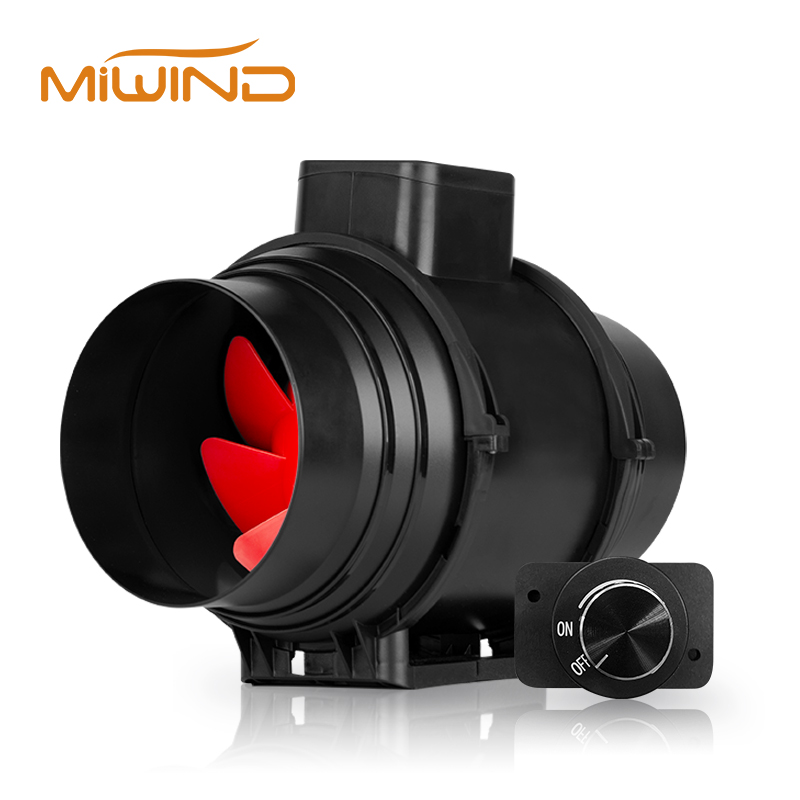
Industrial ventilation is one of the most critical infrastructure decisions a facility manager or engineer will make. Among the many airflow solutions available today, the duct fan has emerged as a dominant choice across warehouses, manufacturing plants, commercial kitchens, underground facilities, and processing environments. Its widespread adoption is not accidental — it reflects a combination of engineering practicality, installation flexibility, and consistent performance that few alternative systems can match at comparable cost.
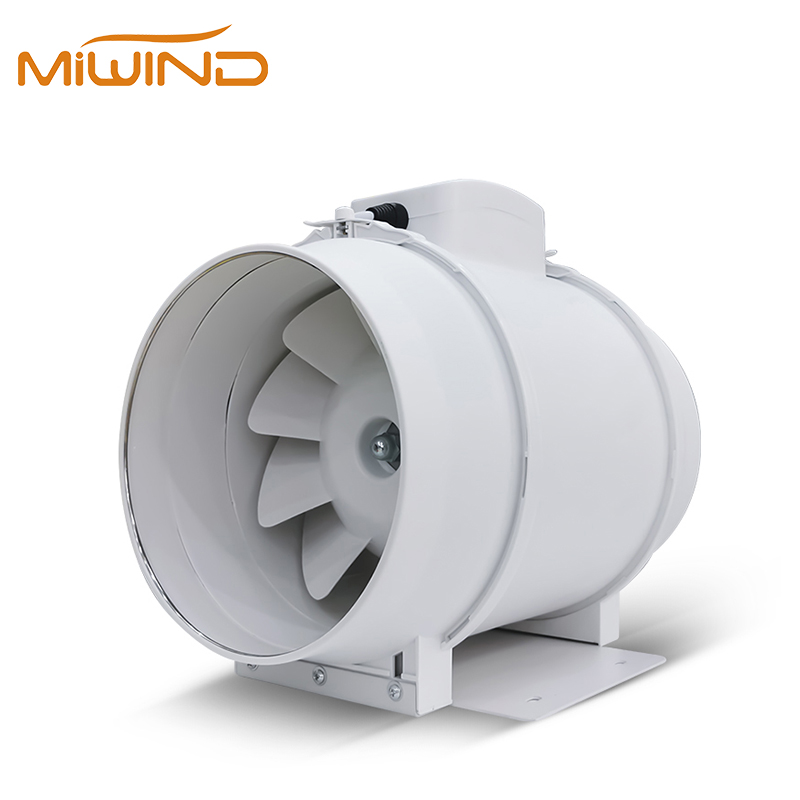
Understanding why the duct fan has become so widely used in industrial ventilation requires looking beyond surface-level specifications. It demands an honest examination of how industrial environments generate heat, contaminants, and airborne hazards — and why inline ducted airflow systems are structurally well-suited to address those challenges. This article explores the core reasons behind the duct fan's dominance, the engineering logic that supports its use, and the practical factors that make it a preferred solution for facility operators worldwide.
The Core Engineering Advantages of a Duct Fan in Industrial Settings
Inline Airflow Design Matches Industrial Duct Layouts
Most industrial facilities are built around centralized duct networks that distribute conditioned or fresh air across large floor areas. A duct fan is specifically engineered to integrate directly into these existing duct runs, operating inline without requiring major structural modifications. This compatibility with standard round or rectangular ductwork makes the duct fan a natural fit for both new construction and retrofit projects.
The inline design means the fan motor and impeller sit entirely within the duct path, which keeps the unit compact and out of the way. Unlike wall-mounted or ceiling-mounted axial fans that require dedicated openings and external housings, a duct fan can be installed mid-run, at bends, or near exhaust terminals with minimal disruption to the surrounding structure. This spatial efficiency is a significant advantage in facilities where floor space and ceiling clearance are at a premium.
From an airflow mechanics standpoint, the duct fan generates positive pressure within the duct system, which helps overcome resistance from long duct runs, filters, grilles, and bends. This pressure-generating capability is essential in industrial environments where duct networks can span hundreds of meters and must maintain consistent airflow velocity at every outlet.
High Static Pressure Performance for Demanding Environments
Industrial ventilation systems face airflow resistance that residential or light commercial systems rarely encounter. Dense filtration media, long horizontal duct runs, multiple directional changes, and high-volume exhaust requirements all create static pressure challenges that a standard propeller fan cannot reliably overcome. The duct fan is designed with impeller geometry and motor torque characteristics that allow it to maintain strong airflow even under high static pressure conditions.
This performance characteristic is one of the primary reasons facility engineers specify a duct fan over alternative solutions. In environments such as paint booths, chemical processing areas, food production facilities, and underground parking structures, the ability to sustain airflow against resistance is not optional — it is a safety and compliance requirement. A duct fan delivers the static pressure performance needed to meet these demands reliably over extended operating cycles.
The relationship between static pressure and airflow volume is a key engineering consideration, and duct fan manufacturers design their products to offer favorable performance curves across a range of operating points. This means a well-selected duct fan will maintain effective ventilation even as system conditions change due to filter loading, seasonal temperature variation, or changes in occupancy and production activity.
Why Industrial Facilities Prefer Duct Fan Installations Over Alternative Systems
Lower Installation Complexity and Reduced Downtime
One of the most practical reasons for the widespread adoption of the duct fan in industrial ventilation is the relative simplicity of its installation. Because the unit mounts directly into the duct run using standard flanged connections or flexible couplings, installation teams do not need to cut large wall openings, pour concrete equipment pads, or install complex vibration isolation systems. A duct fan can typically be installed by a small crew in a matter of hours, which minimizes production downtime during installation or replacement.
This installation efficiency translates directly into cost savings. Labor hours are reduced, scaffolding requirements are minimized, and the risk of installation errors is lower compared to more complex fan systems. For facilities that operate on tight maintenance windows or continuous production schedules, the ability to install or replace a duct fan quickly is a meaningful operational advantage.
Replacement and maintenance access is also simplified by the inline mounting configuration. Most duct fan models allow the motor and impeller assembly to be accessed or removed without dismantling the surrounding ductwork. This serviceability factor reduces long-term maintenance costs and supports higher system uptime, which is a priority in any industrial operation.
Scalability Across Different Facility Sizes and Airflow Requirements
Industrial facilities vary enormously in scale, from small fabrication workshops to large-scale manufacturing complexes. The duct fan product category spans a wide range of sizes, motor ratings, and airflow capacities, which allows engineers to select units that precisely match the ventilation requirements of each zone or application. This scalability is a key reason why the duct fan appears in facilities of every size and type.
Multiple duct fan units can be deployed in series within a single duct run to boost airflow over very long distances, or in parallel across multiple branch ducts to serve different areas of a facility simultaneously. This modular approach to system design gives engineers flexibility that monolithic central fan systems cannot easily provide. It also allows facilities to expand their ventilation capacity incrementally as production areas grow or change.
Variable speed control is another scalability feature that makes the duct fan particularly valuable in industrial settings. By pairing a duct fan with a variable frequency drive or speed controller, facility operators can adjust airflow output in response to real-time conditions such as occupancy levels, production intensity, or ambient temperature. This dynamic control capability improves energy efficiency and extends motor service life by avoiding unnecessary full-speed operation.
Safety and Compliance Drivers Behind Duct Fan Adoption
Meeting Industrial Air Quality and Exhaust Standards
Regulatory requirements for workplace air quality, hazardous fume exhaust, and thermal management are increasingly stringent across most industrial sectors. A properly specified duct fan installation is one of the most reliable ways to meet these requirements because it delivers controlled, measurable airflow through defined duct pathways. Unlike open-area circulation fans, a duct fan moves air in a directed manner that can be engineered to achieve specific air change rates, dilution ventilation targets, or exhaust capture velocities.
In environments where workers are exposed to welding fumes, solvent vapors, dust, or heat stress, the duct fan plays a direct role in protecting occupational health. Ventilation engineers can calculate the required airflow volume for a given contaminant load and select a duct fan with the appropriate capacity to achieve safe exposure levels. This engineering precision is difficult to achieve with less structured airflow solutions.
Fire safety codes in many jurisdictions also specify requirements for smoke exhaust and emergency ventilation in industrial buildings. A duct fan installed in a dedicated smoke exhaust duct can be activated automatically during a fire event to remove smoke from occupied areas and support safe evacuation. High-temperature rated duct fan models are available specifically for this application, providing reliable operation even under elevated thermal conditions.
Noise and Vibration Management in Occupied Industrial Spaces
Noise pollution is a growing concern in industrial facility design, particularly in environments where workers spend extended periods near ventilation equipment. The duct fan offers inherent noise attenuation advantages compared to external fan systems because the duct walls surrounding the unit absorb and dampen sound transmission. When installed with flexible duct connectors and vibration isolation mounts, a duct fan can operate at remarkably low noise levels relative to its airflow output.
This noise management capability is especially relevant in facilities that combine production areas with office spaces, quality control labs, or customer-facing areas. A duct fan installation allows ventilation engineers to route airflow through concealed duct paths while keeping noise levels within acceptable limits throughout the building. The result is a more comfortable and productive working environment without sacrificing ventilation performance.
Vibration transmission through building structures is another concern that the duct fan addresses effectively. Because the fan unit is suspended within the duct run rather than mounted rigidly to walls or floors, vibration energy is largely contained within the duct system. Proper use of anti-vibration hangers and flexible connections further isolates the duct fan from the building structure, protecting both the equipment and the surrounding construction from fatigue damage over time.
Energy Efficiency and Long-Term Operational Value
Optimized Motor Technology in Modern Duct Fan Designs
Energy consumption is a major operational cost in industrial ventilation, and the duct fan has benefited significantly from advances in motor technology over the past decade. Modern duct fan units increasingly use electronically commutated motors or high-efficiency induction motors that deliver more airflow per watt of electrical input compared to older motor designs. This efficiency improvement directly reduces electricity costs, which can be substantial in facilities that run ventilation systems continuously.
The compact form factor of the duct fan also contributes to energy efficiency by minimizing the mechanical losses associated with long drive shafts, belt drives, or complex transmission systems found in some larger fan configurations. Direct-drive duct fan designs eliminate these intermediate components entirely, transferring motor output directly to the impeller with minimal energy loss. This mechanical simplicity also reduces maintenance requirements and improves long-term reliability.
When integrated with building management systems or dedicated ventilation controllers, a duct fan can participate in demand-controlled ventilation strategies that adjust airflow based on real-time sensor data. Carbon dioxide sensors, temperature sensors, and occupancy detectors can all provide input signals that modulate duct fan speed, ensuring that ventilation energy is used only when and where it is actually needed. This intelligent control approach can reduce ventilation energy consumption by a significant margin compared to fixed-speed operation.
Durability and Service Life in Harsh Industrial Conditions
Industrial environments expose ventilation equipment to conditions that would quickly degrade equipment designed for lighter-duty applications. Elevated temperatures, corrosive atmospheres, high humidity, airborne particulates, and mechanical vibration all place demands on duct fan components that must be addressed through appropriate material selection and construction quality. Industrial-grade duct fan models are built with these challenges in mind, using corrosion-resistant housings, sealed motor bearings, and thermally protected windings that extend service life under demanding conditions.
The long service life of a well-specified duct fan contributes directly to its total cost of ownership advantage. When a duct fan operates reliably for many years with minimal maintenance intervention, the initial capital investment is spread over a long operational period, resulting in a low annualized cost. This durability factor is a key reason why facility managers and procurement teams consistently return to the duct fan as their preferred ventilation solution for industrial applications.
Spare parts availability and manufacturer support are also important durability considerations. Because the duct fan is such a widely used product category, replacement components such as impellers, motor assemblies, and capacitors are generally available through established supply channels. This parts availability reduces the risk of extended downtime due to component failure, which is a meaningful operational assurance for facilities that depend on continuous ventilation for safety or process reasons.
FAQ
What makes a duct fan different from a standard axial fan in industrial use?
A duct fan is designed to mount inline within a duct run and generate positive pressure to move air through the duct system against resistance. A standard axial fan moves air in an open environment without the pressure-generating capability needed for long duct runs. In industrial ventilation, where duct networks are extensive and resistance is high, the duct fan's pressure performance makes it the more appropriate and effective choice.
How do I determine the right duct fan size for my industrial facility?
Sizing a duct fan correctly requires calculating the required airflow volume for the space based on air change rate targets, contaminant dilution requirements, or thermal load. The total static pressure of the duct system must also be calculated, accounting for duct length, fittings, filters, and grilles. A duct fan should be selected whose performance curve intersects the system resistance curve at the required airflow point, ensuring reliable operation under actual installed conditions.
Can a duct fan be used in high-temperature industrial exhaust applications?
Yes, specialized high-temperature duct fan models are available for applications such as industrial oven exhaust, kiln ventilation, and smoke extraction systems. These units use thermally rated motor windings, high-temperature bearing grease, and heat-resistant housing materials that allow continuous operation at elevated exhaust temperatures. It is important to specify a duct fan with a temperature rating that exceeds the maximum expected exhaust temperature in the application.
How often does a duct fan require maintenance in an industrial environment?
Maintenance frequency for a duct fan depends on the operating environment and duty cycle. In clean air applications, annual inspection of bearings, impeller condition, and electrical connections is typically sufficient. In dusty or corrosive environments, more frequent inspection and cleaning may be required to prevent impeller imbalance and bearing contamination. Following the manufacturer's recommended maintenance schedule and using appropriate lubricants will maximize duct fan service life and maintain consistent airflow performance.