 EN
EN

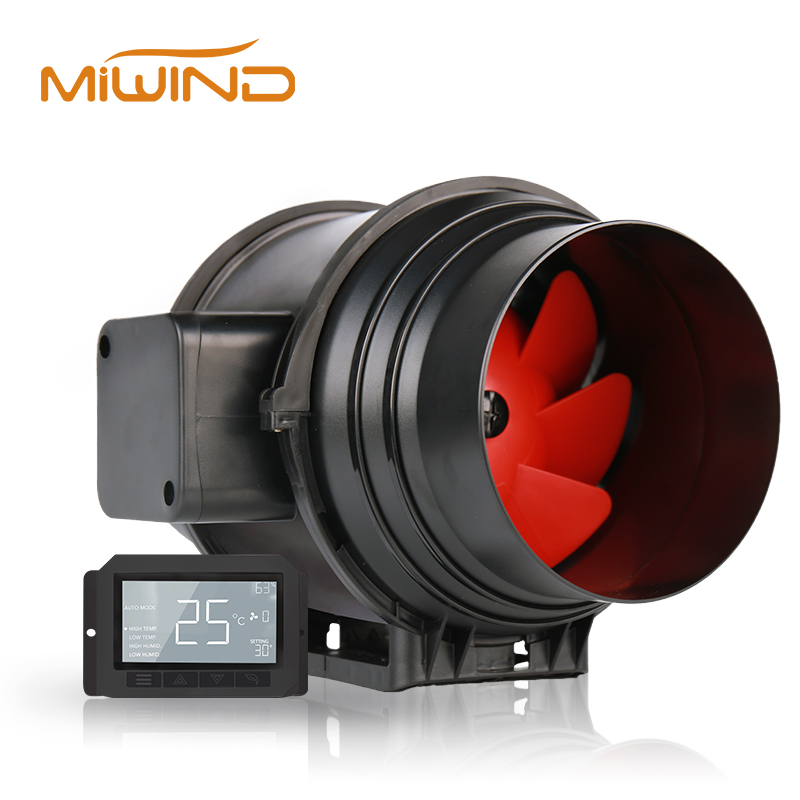
Industrial ventilation systems require precise airflow control to maintain optimal working conditions, protect equipment, and ensure regulatory compliance. Among the various ventilation components available, duct fan installations have become increasingly prevalent across manufacturing facilities, processing plants, and commercial buildings. These systems offer targeted air movement solutions that address specific ventilation challenges while maintaining energy efficiency and operational reliability.
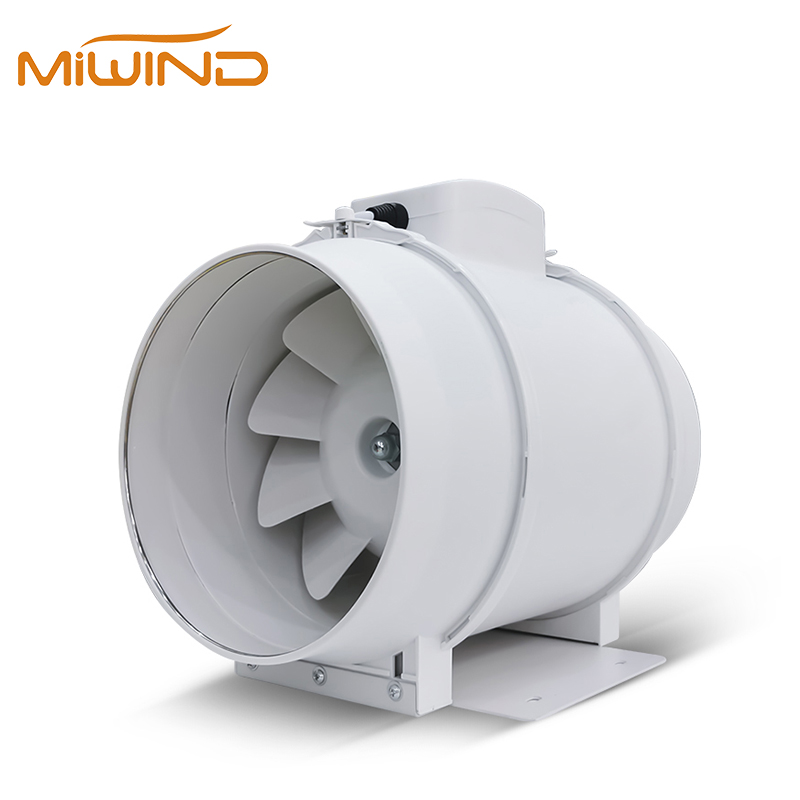
The widespread adoption of duct fan technology stems from its ability to provide flexible, cost-effective air management solutions that can be customized to meet diverse industrial requirements. Unlike centralized ventilation systems that may over-ventilate certain areas while under-serving others, duct fan installations allow for zone-specific airflow control, reducing energy consumption while improving air quality where it matters most. This targeted approach has made duct fan systems an essential component of modern industrial ventilation design.
Superior Airflow Control and Distribution
Precision Air Movement Capabilities
Duct fan systems excel at providing precise airflow control throughout industrial facilities. Unlike general ventilation systems that operate on broad air exchange principles, a well-designed duct fan installation can target specific areas requiring enhanced air movement. This precision becomes critical in manufacturing environments where different processes generate varying levels of heat, moisture, or airborne contaminants. The duct fan technology allows engineers to design ventilation zones that match the exact requirements of each production area.
Modern duct fan installations incorporate variable speed controls and sophisticated monitoring systems that automatically adjust airflow based on real-time conditions. This adaptive capability ensures that air movement remains optimal regardless of changing production schedules, seasonal variations, or equipment loads. The result is a ventilation system that maintains consistent environmental conditions while minimizing energy waste through unnecessary over-ventilation.
Flexible Installation and Configuration Options
The modular nature of duct fan systems provides exceptional flexibility in both new construction and retrofit applications. Engineers can design duct fan installations that integrate seamlessly with existing HVAC infrastructure or create entirely new ventilation zones without major structural modifications. This adaptability makes duct fan technology particularly valuable in facilities that undergo frequent layout changes or production line reconfigurations.
Installation flexibility extends to mounting options, with duct fan units capable of horizontal, vertical, or angled positioning to accommodate space constraints and airflow requirements. The compact design of most duct fan systems allows for installation in areas where traditional centrifugal or axial fans would be impractical. This versatility has contributed significantly to the widespread adoption of duct fan installations across diverse industrial applications.
Energy Efficiency and Operational Cost Benefits
Reduced Energy Consumption Through Targeted Ventilation
One of the primary drivers behind the popularity of duct fan installations is their superior energy efficiency compared to traditional ventilation approaches. By providing targeted air movement only where needed, duct fan systems eliminate the energy waste associated with over-ventilating areas that require minimal air exchange. This targeted approach can reduce overall ventilation energy consumption by thirty to fifty percent in typical industrial applications.
The energy efficiency of duct fan systems becomes particularly pronounced in large facilities where different areas have vastly different ventilation requirements. Rather than operating a single large ventilation system at maximum capacity to serve the most demanding areas, facilities can deploy multiple smaller duct fan installations that operate independently. This distributed approach allows each zone to consume only the energy necessary for its specific requirements.
Lower Maintenance and Operational Costs
Duct fan installations typically require less maintenance than centralized ventilation systems due to their simpler design and reduced mechanical complexity. The distributed nature of these systems means that maintenance can be performed on individual units without disrupting ventilation throughout the entire facility. This modular maintenance approach reduces downtime costs and allows for preventive maintenance scheduling that aligns with production schedules.
The operational cost benefits extend beyond energy and maintenance savings. Duct fan installations often have longer service lives than complex centralized systems because they operate under less stress and can be sized more precisely for their intended applications. This longevity translates to reduced replacement costs and improved return on investment for industrial ventilation projects.
Enhanced Indoor Air Quality Management
Effective Contaminant Removal and Control
Industrial processes often generate specific types of airborne contaminants that require targeted removal strategies. Duct fan installations excel at creating directed airflow patterns that capture contaminants at their source and transport them efficiently to filtration or exhaust systems. This source capture approach is far more effective than general dilution ventilation and results in significantly improved indoor air quality.
The ability to create negative or positive pressure zones using strategically placed duct fan systems allows facilities to control contamination migration between different work areas. This containment capability is particularly valuable in facilities that handle hazardous materials or operate processes that generate particles, vapors, or gases that must be prevented from spreading to other areas of the facility.
Humidity and Temperature Control Benefits
Beyond contaminant removal, duct fan installations provide excellent control over humidity and temperature conditions in industrial environments. By creating targeted air movement patterns, these systems can prevent hot spots, reduce condensation problems, and maintain optimal conditions for both equipment operation and worker comfort. The precise airflow control offered by duct fan technology enables facilities to address microclimates that develop in specific work areas.
Temperature and humidity control through duct fan installations becomes particularly important in facilities that store or process moisture-sensitive materials. The ability to create dry airflow patterns or maintain specific temperature ranges in targeted areas helps protect products and materials while ensuring compliance with quality standards and regulatory requirements.
Adaptability to Diverse Industrial Applications
Manufacturing and Production Environments
Manufacturing facilities have embraced duct fan installations because of their ability to address the varied ventilation challenges present in production environments. Different manufacturing processes generate distinct combinations of heat, moisture, and airborne contaminants that require customized ventilation solutions. Duct fan systems can be configured to provide exhaust ventilation for welding stations, supply ventilation for cooling electronic equipment, and transfer ventilation for maintaining proper airflow between production areas.
The scalability of duct fan installations makes them ideal for manufacturing facilities that experience changing production volumes or seasonal variations in ventilation requirements. Additional duct fan units can be easily integrated into existing systems to accommodate increased production capacity, while existing units can be operated at reduced speeds during periods of lower activity. This operational flexibility helps manufacturers optimize their ventilation costs while maintaining appropriate environmental conditions.
Commercial and Institutional Building Applications
Commercial buildings and institutional facilities have increasingly adopted duct fan installations to address localized ventilation needs that cannot be efficiently served by central HVAC systems. These applications include exhaust ventilation for restrooms, kitchen areas, and storage rooms, as well as supply ventilation for conference rooms, laboratories, and specialized work areas. The quiet operation and compact design of modern duct fan units make them well-suited for occupied commercial spaces.
Educational institutions and healthcare facilities particularly benefit from the flexibility that duct fan installations provide in adapting ventilation to changing space usage patterns. Classrooms, laboratories, and patient care areas often require different ventilation rates depending on occupancy levels and activities. Duct fan systems can be programmed to adjust automatically based on occupancy sensors or scheduled usage patterns, ensuring appropriate ventilation while minimizing energy consumption during unoccupied periods.
FAQ
What maintenance requirements are typical for duct fan installations in industrial settings?
Duct fan installations require routine maintenance including filter replacement, motor lubrication, and belt tension adjustment depending on the specific model. Most industrial duct fan systems should be inspected quarterly, with filter changes occurring monthly to every three months based on operating conditions. Annual professional maintenance typically includes motor testing, electrical connection inspection, and performance verification to ensure optimal operation and energy efficiency.
How do duct fan systems compare to centralized ventilation in terms of installation costs?
Initial installation costs for duct fan systems are often lower than centralized ventilation due to reduced ductwork requirements and simpler electrical connections. However, the total cost depends on the specific application and number of units required. While individual duct fan units may cost more per CFM than large central fans, the elimination of extensive ductwork and the ability to phase installation over time often results in lower overall project costs and improved cash flow for facility upgrades.
Can duct fan installations be integrated with building automation systems for remote monitoring?
Modern duct fan installations can be fully integrated with building automation systems through various communication protocols including BACnet, Modbus, and wireless connectivity options. This integration allows for remote monitoring of fan status, energy consumption, and performance parameters, as well as automatic adjustment of operating speeds based on environmental conditions, occupancy schedules, or air quality measurements. Smart controls can optimize energy usage while maintaining required ventilation effectiveness.
What factors should be considered when sizing duct fan installations for industrial applications?
Proper sizing of duct fan installations requires careful analysis of airflow requirements, static pressure conditions, and environmental factors specific to each application. Key considerations include the volume of air to be moved, the resistance created by ductwork and filters, the type and quantity of contaminants to be removed, and any special requirements such as explosion-proof ratings or corrosion resistance. Professional engineering analysis should account for future expansion needs and operating efficiency across the expected range of operating conditions.
Table of Contents
- Superior Airflow Control and Distribution
- Energy Efficiency and Operational Cost Benefits
- Enhanced Indoor Air Quality Management
- Adaptability to Diverse Industrial Applications
-
FAQ
- What maintenance requirements are typical for duct fan installations in industrial settings?
- How do duct fan systems compare to centralized ventilation in terms of installation costs?
- Can duct fan installations be integrated with building automation systems for remote monitoring?
- What factors should be considered when sizing duct fan installations for industrial applications?