 EN
EN

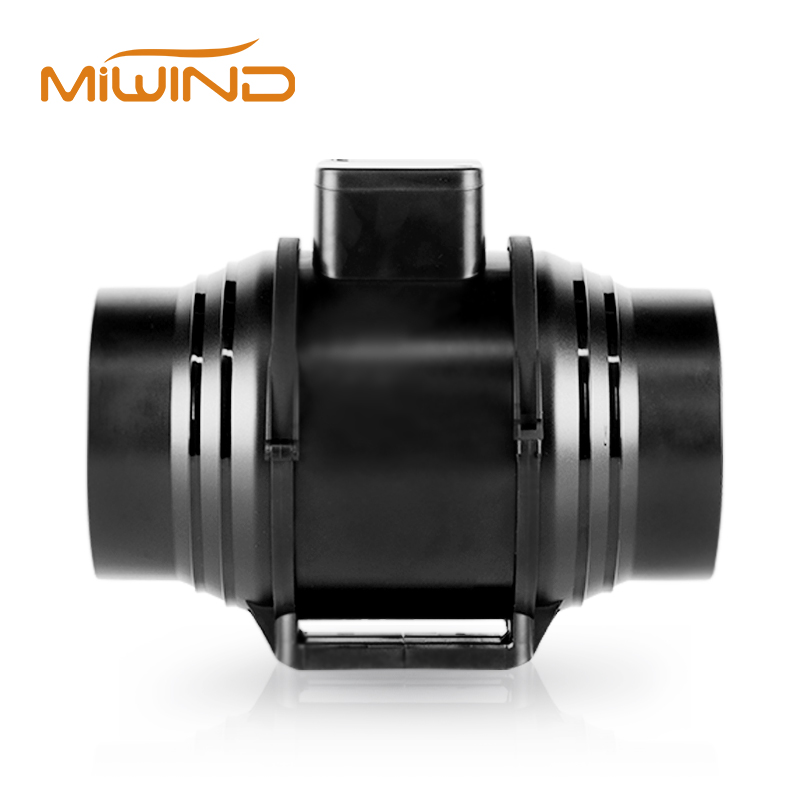
A duct fan serves as a critical component in modern ventilation systems, acting as a mechanical catalyst that transforms sluggish air movement into efficient, controlled airflow throughout residential and commercial buildings. When properly integrated into ventilation infrastructure, a duct fan addresses the fundamental challenge of moving air through ductwork that naturally resists flow due to friction, bends, and length constraints. The efficiency improvements achieved through strategic duct fan placement can dramatically reduce energy consumption while maintaining optimal indoor air quality and comfort levels.
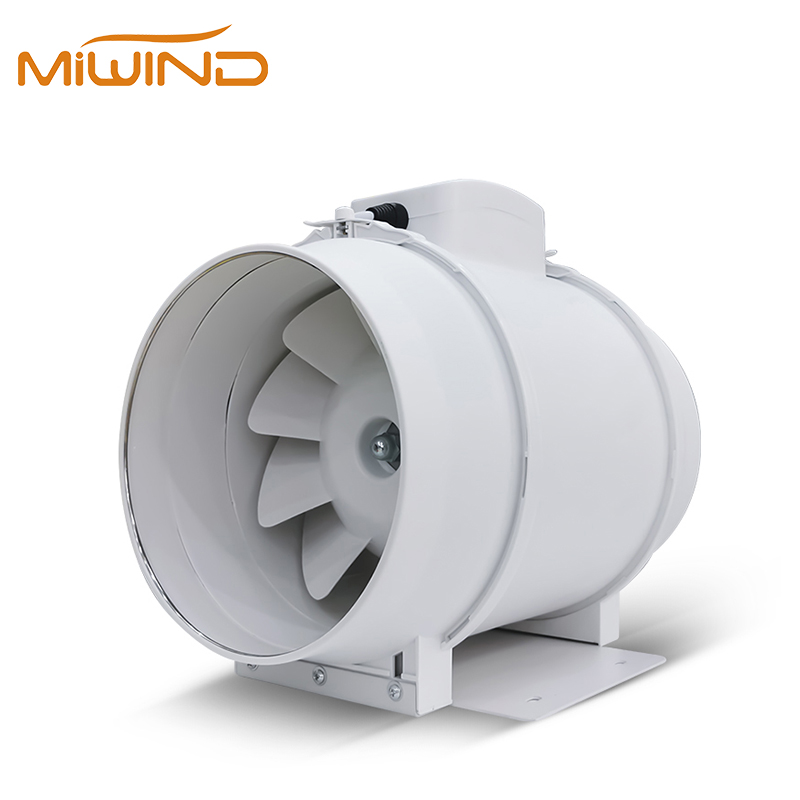
Understanding how a duct fan enhances airflow efficiency requires examining the mechanical principles that govern air movement within enclosed systems. Every ventilation system faces inherent resistance from ductwork geometry, filter assemblies, and environmental factors that create pressure differentials and reduce natural air circulation. A strategically positioned duct fan overcomes these obstacles by providing targeted boost pressure exactly where the system needs additional momentum, resulting in more uniform air distribution and reduced strain on primary HVAC equipment.
Mechanical Principles Behind Duct Fan Airflow Enhancement
Pressure Differential Creation and Management
The primary mechanism through which a duct fan improves airflow efficiency involves creating controlled pressure differentials that overcome system resistance. When air moves through ductwork, it encounters friction against duct walls, turbulence at bends and transitions, and static pressure losses that gradually reduce velocity and volume flow rates. A duct fan positioned at strategic locations within the system generates additional pressure head that compensates for these losses, maintaining consistent airflow velocity throughout the entire ventilation network.
Effective pressure management through duct fan operation involves understanding the relationship between static pressure, velocity pressure, and total pressure within the system. The fan creates a localized increase in total pressure that propagates downstream, effectively boosting the driving force behind air movement. This enhanced pressure differential ensures that air reaches all intended destinations within the ventilation system, including remote zones that might otherwise receive inadequate airflow due to distance and resistance factors.
Advanced duct fan designs incorporate variable speed controls that allow precise pressure modulation based on real-time system demands. This capability enables the ventilation system to maintain optimal efficiency across varying load conditions, automatically adjusting fan output to match changing resistance patterns or occupancy requirements without wasting energy through over-pressurization.
Velocity Profile Optimization Throughout Ductwork
Beyond simple pressure boosting, a duct fan fundamentally alters the velocity profile of air moving through ventilation systems by eliminating dead zones and reducing boundary layer effects that impede smooth flow. In conventional systems without auxiliary fans, air velocity typically decreases exponentially with distance from the primary air handler, creating uneven distribution patterns that compromise overall system performance.
Strategic duct fan placement creates velocity recovery points that re-energize the airstream and restore optimal flow characteristics. This restoration process is particularly critical in long duct runs, complex routing configurations, or systems serving multiple zones with varying resistance characteristics. The fan essentially acts as an intermediate booster that maintains design velocity parameters throughout the entire distribution network.
Modern computational fluid dynamics analysis reveals that properly positioned duct fans can eliminate recirculation zones and minimize turbulent mixing that typically occurs in under-energized airstreams. This optimization results in more laminar flow patterns that reduce energy losses while improving heat transfer efficiency and contaminant removal effectiveness.
Energy Efficiency Mechanisms and System Optimization
Primary Equipment Load Reduction
One of the most significant ways a duct fan improves overall ventilation efficiency involves reducing the operational burden on primary HVAC equipment. When main air handlers or rooftop units must overcome extensive ductwork resistance without assistance, they typically operate at higher speeds and power consumption levels to maintain acceptable airflow rates throughout the system.
By strategically positioning auxiliary duct fans to handle localized resistance challenges, the primary equipment can operate at more efficient design points with reduced pressure requirements. This optimization allows main units to run at lower speeds while maintaining the same total system airflow, resulting in substantial energy savings due to the cubic relationship between fan speed and power consumption.
Detailed energy analysis of systems with properly integrated duct fans typically reveals 15-30% reductions in total ventilation energy consumption compared to conventional single-fan configurations. These savings compound over time, particularly in commercial applications where ventilation systems operate continuously or for extended daily periods.
Dynamic System Response and Efficiency Maintenance
Modern duct fan installations incorporate intelligent controls that enable dynamic response to changing system conditions, maintaining peak efficiency across varying operational scenarios. Unlike static ventilation configurations, systems with responsive duct fans can automatically adjust to filter loading, seasonal temperature variations, and occupancy-driven demand changes without compromising airflow quality or energy performance.
This dynamic capability proves particularly valuable in maintaining efficiency as ventilation systems age and accumulate resistance from filter loading, duct contamination, or component degradation. A properly controlled duct fan system can compensate for these gradual changes automatically, preserving design airflow rates without requiring manual system rebalancing or primary equipment modifications.
Advanced control algorithms enable predictive efficiency optimization by analyzing system performance patterns and adjusting duct fan operation proactively. This intelligence prevents efficiency degradation before it becomes noticeable to occupants while minimizing energy waste through unnecessary over-correction of minor system variations.
Application-Specific Efficiency Improvements
Long Duct Run Optimization
In ventilation systems characterized by extensive duct runs or complex routing requirements, a duct fan provides targeted efficiency improvements that address distance-related performance degradation. Long horizontal runs, vertical risers, and multi-story distribution networks typically experience significant pressure losses that compromise airflow delivery to remote zones without auxiliary boosting equipment.
Strategic duct fan placement in these challenging configurations can restore design airflow rates to distant locations while maintaining energy efficiency throughout the system. The key lies in positioning fans at calculated intervals that optimize the balance between pressure recovery and energy consumption, ensuring that each fan operates within its peak efficiency range.
Computational analysis of long duct systems reveals that properly spaced duct fans can achieve uniform airflow distribution across networks spanning hundreds of feet with minimal additional energy input compared to over-sizing primary equipment to overcome the same resistance challenges. This approach proves particularly cost-effective in retrofit applications where existing ductwork cannot be easily modified.
Multi-Zone Balancing and Control Enhancement
Complex ventilation systems serving multiple zones with different airflow requirements benefit significantly from targeted duct fan applications that enable precise flow control without compromising overall system efficiency. Traditional constant-volume systems often struggle to maintain proper zone balancing while operating efficiently, particularly when zones have vastly different resistance characteristics or demand profiles.
Individual zone duct fans allow independent airflow control that maintains design conditions in each space without affecting other zones or forcing primary equipment to operate inefficiently. This granular control capability enables the overall system to respond dynamically to changing zone demands while maintaining optimal energy performance across all operational conditions.
Advanced multi-zone applications incorporate variable-speed duct fans with integrated sensors that automatically adjust local airflow based on real-time demand signals. This intelligent response capability eliminates the need for constant manual rebalancing while ensuring that each zone receives appropriate ventilation without energy waste from over-ventilation of unoccupied or low-demand areas.
Performance Monitoring and Efficiency Verification
Airflow Measurement and System Analysis
Quantifying the efficiency improvements achieved through duct fan integration requires comprehensive airflow measurement and system performance analysis that captures both immediate and long-term operational benefits. Proper evaluation involves measuring airflow rates, pressure differentials, energy consumption, and indoor air quality parameters before and after duct fan installation to establish clear performance baselines.
Modern monitoring systems utilize distributed sensors and data logging capabilities that provide continuous insight into duct fan performance and system efficiency trends. This ongoing monitoring enables facility managers to verify that efficiency improvements are sustained over time while identifying opportunities for further optimization through control adjustments or maintenance interventions.
Detailed performance analysis often reveals secondary efficiency benefits from duct fan operation, including improved heat transfer effectiveness, reduced filter loading rates, and enhanced indoor air quality that contribute to overall building performance beyond simple energy savings. These comprehensive benefits justify duct fan investments through multiple value streams that extend well beyond basic airflow improvements.
Maintenance Impact on Long-Term Efficiency
The long-term efficiency benefits of duct fan integration depend heavily on proper maintenance practices that preserve optimal performance characteristics throughout the equipment lifecycle. Regular inspection and cleaning of fan components, verification of control system calibration, and monitoring of wear patterns ensure that efficiency improvements are maintained consistently over many years of operation.
Preventive maintenance programs specifically designed for duct fan applications focus on preserving aerodynamic efficiency through blade cleaning, bearing lubrication, and motor performance verification. These targeted maintenance activities typically require minimal time and resources while protecting substantial ongoing energy savings from efficiency degradation.
Advanced predictive maintenance approaches utilize vibration analysis, current signature analysis, and performance trending to identify potential efficiency losses before they become significant. This proactive approach ensures that duct fan systems continue delivering optimal airflow efficiency throughout their entire service life while minimizing unexpected downtime or performance degradation.
FAQ
What is the typical energy savings achieved when installing a duct fan in an existing ventilation system?
Energy savings from duct fan installation typically range from 15-30% of total ventilation energy consumption, depending on system configuration and application specifics. The savings result primarily from allowing primary HVAC equipment to operate at lower speeds while maintaining design airflow rates. Actual savings vary based on duct system complexity, length, and resistance characteristics, with longer or more complex systems generally achieving higher percentage savings.
How do I determine the optimal location for installing a duct fan to maximize airflow efficiency?
Optimal duct fan placement requires analysis of pressure loss distribution throughout the ventilation system, typically through computational fluid dynamics modeling or detailed pressure measurements. The ideal location is generally at the point where cumulative pressure losses begin significantly impacting airflow delivery, often at 60-70% of the total duct run length. Professional assessment considers factors including duct geometry, bend locations, filter positions, and zone requirements to identify the most effective installation point.
Can a duct fan improve efficiency in both supply and return air systems?
Yes, duct fans can enhance efficiency in both supply and return air applications, though the specific benefits differ between configurations. Supply-side duct fans primarily improve air distribution and reduce primary equipment pressure requirements, while return-side fans enhance contaminant removal and maintain proper building pressurization. Many systems benefit from strategic fan placement in both supply and return ductwork to optimize overall ventilation performance and energy efficiency.
What maintenance is required to preserve the efficiency benefits of a duct fan installation?
Regular duct fan maintenance includes quarterly inspection and cleaning of fan blades, annual motor lubrication and electrical connection verification, and periodic airflow measurement to confirm continued optimal performance. Control system calibration should be verified annually, and filter replacement schedules may need adjustment due to improved airflow patterns. Most maintenance tasks are straightforward and can be incorporated into existing HVAC maintenance programs without significant additional cost or complexity.
Table of Contents
- Mechanical Principles Behind Duct Fan Airflow Enhancement
- Energy Efficiency Mechanisms and System Optimization
- Application-Specific Efficiency Improvements
- Performance Monitoring and Efficiency Verification
-
FAQ
- What is the typical energy savings achieved when installing a duct fan in an existing ventilation system?
- How do I determine the optimal location for installing a duct fan to maximize airflow efficiency?
- Can a duct fan improve efficiency in both supply and return air systems?
- What maintenance is required to preserve the efficiency benefits of a duct fan installation?