 EN
EN

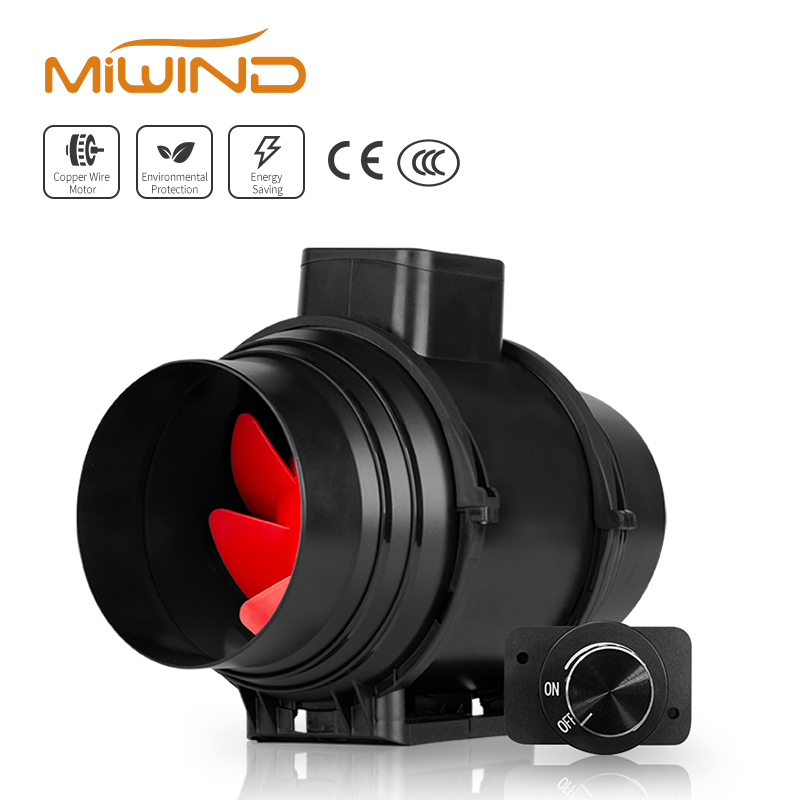
Understanding duct fan performance in large air duct networks requires examining multiple interconnected variables that directly impact airflow efficiency and system effectiveness. The performance of a duct fan depends on complex interactions between physical design parameters, installation conditions, and operational factors that vary significantly across different network configurations. These performance-influencing factors determine whether a duct fan can maintain adequate airflow rates, overcome system resistance, and operate efficiently within the broader ventilation infrastructure.
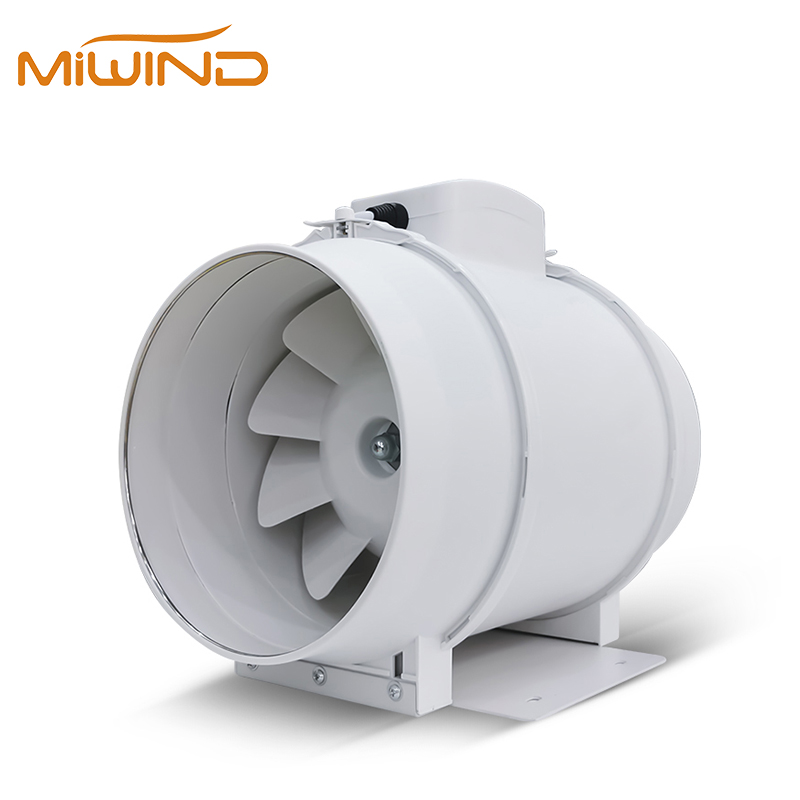
Large air duct networks present unique challenges that amplify the importance of selecting and installing duct fans with appropriate performance characteristics. The scale and complexity of these systems create conditions where minor performance variations can cascade into significant operational issues affecting overall ventilation effectiveness. Factors such as duct sizing, network geometry, air velocity requirements, and system pressure losses all contribute to determining how well a duct fan performs within the specific operational environment of large-scale installations.
Physical Design Characteristics Affecting Duct Fan Performance
Fan Blade Configuration and Geometry
The blade design of a duct fan fundamentally influences its ability to move air efficiently through large duct networks. Blade angle, curvature, and surface finish directly affect the fan's pressure-generating capability and airflow volume characteristics. Forward-curved blades typically provide higher airflow rates at lower pressures, making them suitable for systems with minimal resistance, while backward-curved blades offer better efficiency at higher static pressures commonly encountered in extensive duct networks.
Blade spacing and diameter also play critical roles in determining performance outcomes. Larger diameter fans generally move more air at lower rotational speeds, reducing noise levels and improving efficiency in large-scale applications. The number of blades affects the balance between airflow smoothness and pressure generation, with optimal configurations varying based on specific network requirements and operational conditions.
Material selection for fan blades influences both performance longevity and operational characteristics. High-quality materials maintain blade geometry under stress and temperature variations, ensuring consistent performance over extended periods. Blade balancing affects vibration levels and operational stability, which become increasingly important in large networks where fan reliability directly impacts entire system functionality.
Motor Power and Speed Control Capabilities
Motor specifications determine the power available to drive a duct fan against system resistance in large networks. Variable speed capabilities allow fans to adapt to changing load conditions and optimize energy consumption across different operational scenarios. Electronic speed control enables precise adjustment of fan output to match actual airflow requirements, preventing over-ventilation and reducing operational costs.
Motor efficiency ratings directly impact the overall system energy consumption and operational costs. High-efficiency motors reduce heat generation within the ductwork and provide more consistent performance under varying load conditions. The motor's ability to maintain torque at different speeds affects how well the duct fan responds to changing system demands in large networks.
Starting characteristics and acceleration profiles influence how quickly a duct fan can respond to control signals and reach target operating conditions. Soft-start capabilities reduce mechanical stress and extend equipment life while providing smoother integration with building automation systems commonly used in large installations.
System Integration and Installation Factors
Duct Sizing and Network Geometry
The relationship between duct fan capacity and duct cross-sectional area significantly affects performance in large networks. Oversized ducts reduce air velocity and may cause poor airflow distribution, while undersized ducts create excessive pressure losses that force fans to work harder and consume more energy. Proper duct sizing ensures that fans operate within their optimal efficiency range.
Network geometry, including the number and severity of bends, transitions, and branches, directly impacts the total system resistance that duct fans must overcome. Sharp turns and sudden diameter changes create turbulence and pressure losses that reduce overall system efficiency. Strategic placement of duct fans within the network geometry can minimize these losses and optimize airflow distribution throughout large installations.
The length of duct runs between fans and terminal points affects pressure losses due to friction and determines the static pressure requirements for each duct fan. Longer runs require higher-pressure fans or additional booster fans to maintain adequate airflow at distant locations within large networks.
Installation Position and Mounting Considerations
The specific location where a duct fan is installed within a large network significantly affects its performance characteristics. Fans installed close to air intake points operate under different conditions than those positioned near exhaust outlets or at intermediate points within the system. Each position requires different performance specifications to achieve optimal results.
Mounting orientation affects both airflow patterns and fan longevity. Horizontal installations may experience different bearing loads compared to vertical installations, affecting maintenance requirements and operational life. Proper mounting also ensures optimal air intake conditions and minimizes vibration transmission to the building structure.
Access requirements for maintenance must be considered during installation planning. Duct fans in large networks require regular maintenance to maintain performance levels, and installation positions that impede access can lead to deferred maintenance and declining performance over time.
Environmental and Operational Conditions
Temperature and Humidity Effects
Air temperature variations significantly impact duct fan performance through changes in air density and viscosity. Hot air is less dense and easier to move but may require higher volume flow rates to achieve the same cooling effect. Cold air is denser and requires more power to move but provides greater cooling capacity per unit volume.
Humidity levels affect both air density and potential condensation issues within ductwork. High humidity can lead to moisture accumulation that increases duct resistance and may cause corrosion or microbial growth. Duct fan selection must account for these conditions to ensure reliable long-term operation in variable environmental conditions.
Temperature cycling can cause expansion and contraction of ductwork components, potentially affecting fan alignment and performance. Large networks spanning multiple climate zones or seasonal temperature variations require duct fans capable of maintaining performance across wide temperature ranges.
Load Variations and Demand Patterns
Large air duct networks often serve multiple zones with varying occupancy patterns and ventilation requirements. Duct fan performance must accommodate these load variations while maintaining adequate airflow to all served areas. Peak demand periods require maximum fan capacity, while low-demand periods offer opportunities for energy savings through reduced fan operation.
Seasonal variations in heating and cooling loads affect the performance requirements for duct fans throughout the year. Summer cooling loads typically require maximum airflow capacity, while winter heating loads may require different airflow patterns or reduced volumes. Fan selection must consider these seasonal variations to ensure year-round performance adequacy.
Building pressurization requirements influence how duct fans operate within large networks. Positive pressure systems require fans to overcome infiltration and maintain indoor air quality, while negative pressure systems focus on exhaust and contamination control. These operational differences require different fan characteristics and control strategies.
System Resistance and Pressure Loss Factors
Static Pressure Requirements
Static pressure represents the resistance that a duct fan must overcome to move air through the entire network. Large systems typically have higher static pressure requirements due to longer duct runs, more fittings, and multiple terminal devices. Accurate calculation of system static pressure is essential for proper duct fan selection and performance prediction.
Filter resistance contributes significantly to total system static pressure and affects duct fan performance throughout the filter replacement cycle. New filters provide minimal resistance, while loaded filters can dramatically increase pressure requirements. Fan selection must account for end-of-life filter conditions to ensure adequate performance throughout the maintenance cycle.
Terminal device pressure drops, including diffusers, grilles, and dampers, add to the total system resistance. The number and type of terminal devices in large networks can significantly impact the static pressure requirements for duct fans. Proper coordination between fan capacity and terminal device specifications ensures balanced airflow distribution.
Dynamic Losses and Flow Characteristics
Velocity pressure losses occur when air changes direction or speed within the ductwork system. These losses increase with the square of air velocity, making duct sizing critical for minimizing resistance. Large networks with high air velocities can experience substantial dynamic losses that affect overall duct fan performance.
Turbulence generation at fittings, transitions, and branches creates additional pressure losses beyond calculated values. The complexity of large duct networks often includes numerous sources of turbulence that can significantly impact fan performance. Smooth transitions and gradual direction changes help minimize these losses.
System effect factors account for installation conditions that differ from laboratory test conditions used to rate fan performance. Large networks often include installation constraints that create non-ideal inlet or outlet conditions for duct fans, requiring performance adjustments to account for real-world installation effects.
Control Systems and Performance Optimization
Variable Speed Drive Integration
Variable frequency drives enable duct fan speed adjustment to match actual system demands, significantly improving energy efficiency in large networks. Speed reduction provides cubic power savings, making variable speed control highly beneficial for systems with varying load patterns. Proper drive sizing and programming optimize fan performance across the full range of operating conditions.
Control algorithms determine how duct fans respond to changing system conditions and demand signals. Advanced control systems can coordinate multiple fans within large networks to optimize overall system performance rather than individual fan operation. This coordination improves energy efficiency and ensures balanced airflow distribution throughout the network.
Integration with building automation systems allows duct fan operation to respond to occupancy schedules, outdoor conditions, and indoor air quality measurements. This integration enables predictive control strategies that optimize performance while minimizing energy consumption in large installations.
Performance Monitoring and Feedback Systems
Airflow measurement devices provide feedback on actual duct fan performance compared to design expectations. This monitoring enables performance verification and identifies degradation over time. Large networks benefit from distributed monitoring systems that can identify localized performance issues before they affect overall system operation.
Pressure monitoring at key points throughout large duct networks helps identify changes in system resistance that affect fan performance. Trending pressure data can indicate filter loading, duct leakage, or other system changes that require maintenance attention or operational adjustments.
Energy monitoring systems track duct fan power consumption and identify opportunities for performance optimization. Comparing actual energy use to design predictions helps identify fans operating outside their intended parameters and guides maintenance and replacement decisions in large installations.
FAQ
How does duct size affect fan performance in large networks?
Duct size directly impacts fan performance by determining air velocity and pressure losses throughout the network. Oversized ducts reduce air velocity but may cause poor distribution, while undersized ducts create excessive pressure losses that force fans to work harder. Proper sizing ensures fans operate within their optimal efficiency range while maintaining adequate airflow distribution to all zones.
What role does static pressure play in duct fan selection for large systems?
Static pressure represents the total resistance that a duct fan must overcome to move air through the entire network. Large systems typically require higher static pressure capabilities due to longer duct runs, more fittings, filters, and terminal devices. Accurate static pressure calculation is essential for selecting fans with adequate capacity to maintain proper airflow throughout the system's operational life.
How do environmental conditions affect duct fan performance in large installations?
Temperature and humidity variations significantly impact fan performance by changing air density and system resistance. Hot, humid air is less dense but may require higher volume flow rates, while cold, dry air is denser and requires more power to move. Large networks spanning multiple climate zones must account for these variations in fan selection and control strategies.
Why is variable speed control important for duct fans in large networks?
Variable speed control allows duct fans to adapt to changing load conditions and optimize energy consumption in large networks with varying demand patterns. Speed reduction provides cubic power savings, making it highly beneficial for systems serving multiple zones with different occupancy schedules. This capability also enables integration with building automation systems for enhanced performance optimization.