 EN


The industrial ventilation landscape is undergoing rapid transformation as ventilating fans technology evolves to meet stricter environmental standards, energy efficiency demands, and digital integration requirements. Modern ventilating fans are no longer simple mechanical devices; they have become intelligent systems capable of optimizing air quality, reducing operational costs, and supporting sustainability goals across manufacturing, commercial, and residential sectors. Understanding the trends influencing ventilating fans development is essential for facility managers, engineers, and decision-makers seeking to future-proof their ventilation infrastructure.
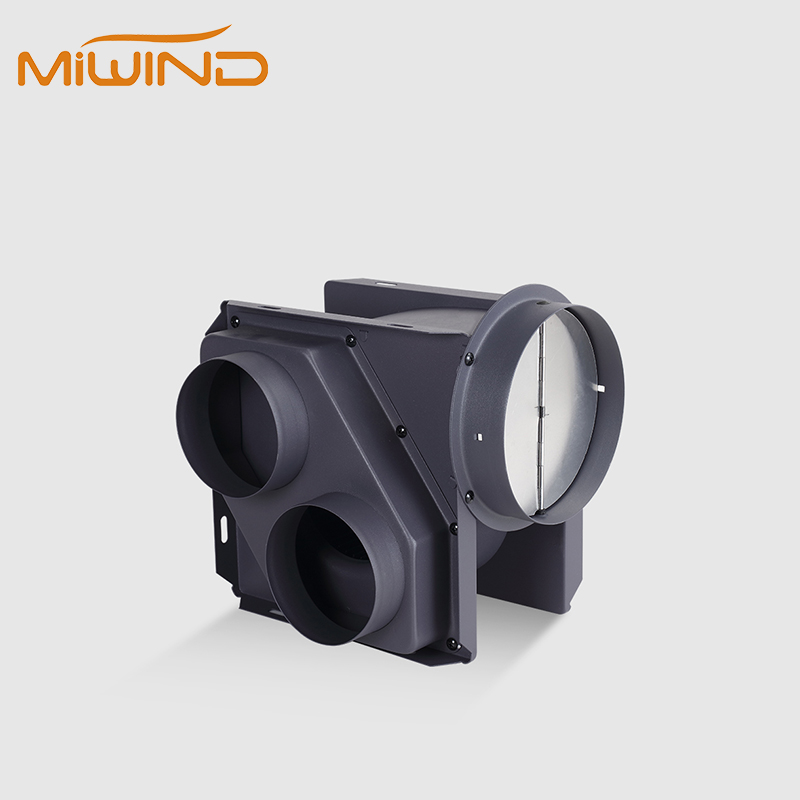
The development of ventilating fans technology reflects broader industry shifts toward automation, sustainability, and user-centric design. Recent innovations in materials, motor efficiency, sensor integration, and control systems are reshaping how ventilating fans perform in real-world applications. Organizations that recognize these trends early can gain competitive advantages through improved operational efficiency, reduced energy expenditures, and enhanced indoor environmental quality.
Energy Efficiency and Motor Innovation
Advanced Motor Technologies in Modern Ventilating Fans
One of the most significant trends influencing ventilating fans technology is the shift toward high-efficiency motor designs. Electronically commutated (EC) motors, along with brushless DC technology, are increasingly replacing traditional AC motors in ventilating fans applications. These advanced motor types consume 30 to 50 percent less energy than conventional motors while delivering superior performance consistency. The trend toward ventilating fans with EC motors reflects growing pressure from energy regulations and building codes that mandate minimum efficiency performance standards.
Variable frequency drives (VFDs) integrated into ventilating fans systems enable dynamic speed adjustment based on real-time air quality and occupancy data. This capability means ventilating fans operate at lower speeds during periods of reduced demand, significantly reducing energy consumption without compromising indoor air quality. Many modern ventilating fans now include smart scheduling features that learn usage patterns and automatically optimize fan speed, resulting in measurable cost reductions for facility operators.
Aerodynamic Design Improvements
Blade geometry and housing design represent another critical area where ventilating fans technology is advancing rapidly. Computational fluid dynamics (CFD) simulation enables manufacturers to design ventilating fans blades that move air more efficiently with reduced noise generation. Advanced ventilating fans feature optimized blade curves and inlet designs that minimize turbulence and pressure drop, allowing ventilating fans to achieve required air flow rates at lower power consumption levels. This aerodynamic trend directly addresses both energy efficiency mandates and noise reduction requirements in contemporary facility specifications.
Smart Controls and IoT Integration
Intelligent Sensor Networks in Ventilating Fans Systems
Digital transformation is fundamentally reshaping how ventilating fans technology operates within building ecosystems. Contemporary ventilating fans increasingly incorporate multiple sensors—including CO2, humidity, temperature, and particulate matter detectors—that enable demand-controlled ventilation (DCV). These sensor-equipped ventilating fans automatically adjust performance based on actual indoor air quality conditions rather than operating on fixed schedules or manual settings. The integration of IoT capabilities into ventilating fans allows centralized monitoring, remote diagnostics, and predictive maintenance scheduling across entire facility networks.
Building management systems now communicate seamlessly with ventilating fans through standard protocols like BACnet and ModBus, enabling coordinated operation across multiple ventilation zones. This interconnected approach to ventilating fans management creates opportunities for energy optimization that were previously unavailable. Facility managers can analyze performance data from distributed ventilating fans installations to identify efficiency opportunities, prevent equipment failures, and maintain compliance with indoor air quality standards more effectively than ever before.
Predictive Maintenance and Diagnostics
Advanced ventilating fans technology now includes self-diagnostic capabilities that track motor performance, filter status, and vibration patterns. Machine learning algorithms embedded in modern ventilating fans controllers predict maintenance needs before failures occur, reducing unplanned downtime and extending equipment lifespan significantly. This trend toward intelligent ventilating fans with embedded diagnostics represents a major shift from reactive maintenance approaches to proactive asset management strategies.
Material Innovation and Sustainable Design
Lightweight and Corrosion-Resistant Materials
Material science advancements are fundamentally influencing ventilating fans construction and durability characteristics. Contemporary ventilating fans incorporate advanced composites, aluminum alloys, and specialty plastics that offer superior corrosion resistance while reducing overall weight and operational vibration. These lightweight ventilating fans reduce installation labor costs and structural support requirements while maintaining durability in harsh industrial environments. The material trend affecting ventilating fans development also addresses environmental concerns by using recyclable materials and reducing manufacturing resource intensity.
Stainless steel and powder-coated finishes in premium ventilating fans models extend service life in demanding applications such as food processing, chemical manufacturing, and healthcare facilities. Material selection trends in ventilating fans engineering reflect growing emphasis on total cost of ownership rather than initial purchase price. Corrosion-resistant ventilating fans deliver longer service intervals, reduced replacement frequency, and lower lifecycle costs compared to conventional designs, justifying premium material investments.
Noise Reduction and Acoustic Optimization
Acoustic performance has emerged as a critical design consideration for modern ventilating fans technology. Manufacturers are integrating vibration isolation, sound-absorbing blade materials, and aerodynamic optimization into ventilating fans designs to reduce operational noise below 65 decibels in many applications. This noise reduction trend in ventilating fans development reflects workplace wellness priorities and regulatory requirements in commercial and residential sectors. Ultra-quiet ventilating fans options have opened new market opportunities in healthcare, educational, and office environments where noise control directly impacts user satisfaction.
FAQ
What are the main drivers behind ventilating fans technology advancement?
The primary drivers include increasingly stringent energy efficiency regulations, rising operational costs, demand for improved indoor air quality, and the need for automated building management integration. Environmental sustainability commitments by organizations worldwide are accelerating investment in advanced ventilating fans technology that reduces energy consumption and carbon footprints. Additionally, the COVID-19 pandemic heightened awareness of air quality importance, driving demand for ventilating fans systems with enhanced filtration and monitoring capabilities.
How do smart ventilating fans reduce facility operating costs?
Intelligent ventilating fans equipped with demand sensors and variable speed controls operate only at necessary performance levels, eliminating energy waste from continuous full-speed operation. Smart ventilating fans can reduce energy consumption by 30 to 50 percent compared to traditional constant-speed models. Predictive maintenance features in advanced ventilating fans systems also prevent costly emergency repairs and extend equipment lifespan, further improving total cost of ownership for facility operators.
Are IoT-enabled ventilating fans compatible with existing building systems?
Modern ventilating fans with IoT capabilities typically support standard communication protocols like BACnet, ModBus, and Lon Works, enabling integration with most building management platforms. Many ventilating fans manufacturers offer retrofit adapters and wireless gateway solutions for legacy ventilation equipment, allowing existing installations to benefit from smart technology upgrades. Consulting with ventilation specialists ensures that selected ventilating fans solutions align with your facility's specific integration requirements and technical infrastructure.