 EN
EN


Ny famantarana ny rivotra amin’ny fizaràna dia manana ankapobeny lalàna lehibe amin’ny fikarakarana ny toetrandro ao amin’ny efitrano amin’ny fanaovana barera tsy hita amin’ny maso, izay mifamaty amin’ny rivotra mihenika eo amin’ny varavarana sy ny fizaràna. Ireo rafitra ireo dia miasa amin’ny famokarana rivotra mahafinaritra miverina izay manavaka tsara ny tontolonan’ny ivelany sy ny ivelany, raha ampiharina ny fahafahana tsy voatokana hanamorana ny olona sy ny fiara. Ny lalàna fototra amin’ny rafitra rivotra teknôlôjia dia ny fahafahan’izy ireo mampitombo ny fanafihana eo amin’ny faritra misy hafaran-tongony samy hafa, ka ampiharina ny fampitomboana ny asa atao amin’ny rafitra HVAC ary ny fikarakarana ny hafaran-tongony, ny hamandoanana, ary ny kalitàny ny rivotra eo amin’ny toerana manam-pinaisana sy ny toerana manam-baovana.
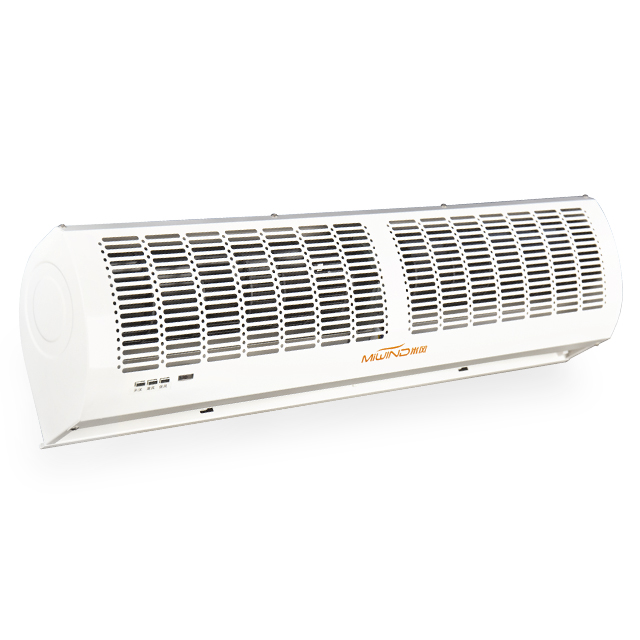
Ny hafarana amin’ny rafitra fihenjanana ny rivotra mba hanamorana ny fahazavana amin’ny toerana ivelany dia mifandray amin’ny zavatra maro mahalena toy ny habeny tsara, ny famantarana mahay, ary ny kajy mahafinaritra ny hafainganana amin’ny rivotra. Rehefa voaforonina sy voaorina tsara ireo fitaovana ireo dia mamorona fihenjanana amin’ny rivotra izay manakana ny toetrandro ivelany hisy hanakana ny toerana ivelany izay voasoratra tsara. Io teknôlôjia io no very be loatra amin’ny toerana izay ilaina ny fahazavana marina amin’ny hafanana sy ny hamandoana mba hanamorana ny fahampian’ny asa, ny kalitao amin’ny zavatra voatendry, na ny fahazoana ny fikarakarana ara-dalàna.
Ny Mekanisma Fisika amin’ny Fiarovana ny Toetrandro
Fiarovana ny Hafainganana amin’ny Rivotra sy ny Fahadisoana amin’ny Hafanana
Ny rindrina voalohany izay ampiharina amin’ny rafitra fanamorana ny hafanana ao amin’ny trano mba hanamorana ny fahamarinan’ny toetrandro dia ny famoronana rivotra mihenika izay manao rotsa mpanamorana mivantana manodidina ny fahasamihafana amin’ny hafanana. Rehefa samy hafa ny hafanana ivelany sy ny ao amin’ny trano dia manao fahafahana ny hafanana mivantana handroso ny fahafaha-mitombo amin’izy ireo amin’ny alalan’ny varavarana sy ny faran’ny lalàna. Ny rafitra fanamorana ny hafanana dia manakana io fahafahana io amin’ny famoronana rivotra mifanolobodirindrina izay mamotipotika ny rivotra ivelany ary manakana ny fidinao amin’ny toerana misy fahafahana.
Tsy maintsy kalkulina tsara ny hafainganana ny rivotra arakaraka ny haavon’ny vondrona, ny fahasamihafana anelanelana ny hafanana ao amin’ny trano sy ivelany, ary ny habetsahan’ny fifamoivoizana tokony hitranga amin’ny varavarana. Ny fampangovinana matetika amin’ny rivotra dia mamorona hafainganana manodidina ny 500–2000 feet isan’ny minitra eo amin’ny toerana iray, ary ny hafainganana voafaritra dia voasoratra amin’ny kalkulus mpanambo izay manazava ny toetrandro sy ny fomba ampiharina ny trano.
Ny fanamorana ny fahasamihafana anelanelana ny hafanana dia mahalana indrindra rehefa mamorona fahasamihafana lehibe eo amin’ny zavatra mifanakaiky amin’ny faran’ny trano ny toetrandro ivelany. Amin’ny volana fahavaratra, ny rivotra mafana ao amin’ny trano dia miala amin’ny lalàna sy mankany ambony ary manao fahafahana hisy azy amin’ny ampahany avoaky ny varavarana, fa ny rivotra mangatsiaka ivelany dia manao fahafahana hisy azy amin’ny ampahany ifanolobodirindrina. Ny rafitra rivotra dia manakana ity efefy mifanakaiky ity amin’ny famantarana mifanakaiky izay mamantatra ny fahamarinan’ny rivotra ao amin’ny trano.
Dinamika ny fanamorana ny hamandoana sy ny rano
Tsy ho amin’ny fanamafisana ny hafanana ihany no mampitombo ny rivotra mifonja ny fahamarinan’ny rivotra ao an-trano ny fampangovana ny rivotra, fa manakana koa ny fahavaratra avy any ivelany izay mahatonga ny rivotra mafana ho afaka miditra ao amin’ny toerana voasambina. Ao amin’ny toerana misy rivotra mafana be, ny famantarana tsy ampiharina ny rivotra amin’ny fihenjanana ny varavarana dia mety hanamorina ny rivotra mafana be izay mety hampananina ny rindrina mafana ary hamoronina ny fahafinaretana na olana ara-toekarena. Ny rindrina avy amin’ny rivotra izay voasambina amin’ny rivotra dia manakana ny fahavaratra ireo sady manamafisa ny fihenjanana maharitra.
Ny fahamafinarana amin’ny fanamafisana ny fahamarinan’ny rivotra dia mifotra amin’ny fahafaha-manao ny rivotra mifonja ny fanaovana rindrina feno eo amin’ny haavony sy ny sakany rehetra. Ny fahaverezanana na ny toerana tsy mahafinarina ao amin’ny rivotra dia mahazo ny rivotra mafana avy any ivelany hihamafy ny rindrina mifonja, ary mety hampiditra fahamarinan’ny rivotra be any amin’ny toerana iray izay mety hampiditra olana amin’ny fahazavana, ny fivoaran’ny vondrona, na ny olana amin’ny kalitaon’ny zavatra ao amin’ny toerana mahasitra toy ny toerana fanaovana sakafo na ny toerana fanaovana zavatra ara-pitaterana.
Tsy maintsy heverina ny toetrandro mahazatra amin’ny vanana sy ny toetrandro isan-karazany rehefa mamorona rindrina misy rivotra marina. Ny rafitra miasa ao amin’ny faritra kely na ao amin’ny faritra misy fiovanana be amin’ny hamandoana isan-taona dia mila rivotra mahafinaritra sy fahataranana avo kokoa mba hanamorana ny fahafahana manamorina ny rivotra rehefa mahavariana ny hamandoana.
Fahafaha-miarovana ny hafanana sy fifandraisan’ny rafitra HVAC
Fan diminana ny fahafahan’ny fikarakarana ny hafanana sy ny fikarakarana ny hafanana
Ny famantarana ny rivotra amin’ny fomba mivantana dia manampy be amin’ny fahamarinan’ny toetrandro ao an-trano amin’ny fandefasana be ny kara-karana mafana na mafana izay ampiharina amin’ny rafitra lehibe HVAC. Raha tsy misy fikarakarana amin’ny rivotra rehefa mihena ny varavarana, dia miverina tsy tapaka ny rivotra voafora sy mivoatra ny rivotra avy any ivelany tsy voafora mankany ao, ka mahatonga ny zavatra fanamorana sy famafana hiasa bebe kokoa mba hanamorana ny hafaran-torana voafarina. Ity fiasa bebe ity dia mihenatra ny hafanana ary mamorona fiovan-kevitra amin’ny hafaran-torana izay mety hampanao fahafahana ao amin’ny trano sy fahafaha-mitantana.
Ny fananelenana eny amin’ny hafanana izay azo avy amin’ny fampiharina ny rindrina misy rivotra dia matetika manamafy ny 20% ka hatramin’ny 50% ny saran’ny famantarana sy ny famakafakana manontolo mifandray amin’ny vavahana voamarina, arakaraka ny habetsahan’ny fampiasana ny varavarana, ny fahasamihafana amin’ny hafanana amin’ny vanim-potoana, ary ny fahamafinarina ny rafitra HVAC efa misy. Ireo fananelenana no voasoratra amin’ny fahafaha-mitahiry ny fizaràna ara-hafanana ny rindrina misy rivotra raha ampiharina amin’ny fikarakarana ny fikarakarana, ka mamokatra tsy ilàna ny famantarana na famakafakana ny rivotra vaovao izay hanatona amin’ny vavahana tsy voamarina.
Ny fifandraisan’ny rindrina misy rivotra amin’ny rafitra HVAC efa misy dia mila heverina tsara ny rafitra fanondroana rivotra sy ny fihenjanana amin’ny rafitra mba hanamafisana ny fahamafinarina. Ny zavatra misy rindrina misy rivotra dia tokony ho mifanarahy amin’ny rafitra fanamorana ny trano mba hanamorina rehefa vavahina ny varavarana ary hanampy amin’ny zavatra fototra famantarana sy famakafakana mba tsy hanafana hafanana be loatra rehefa tsy misy fihenjanana ara-hafanana.
Fifandraisan’ny rafitra famantarana sy famantarana ny kalitao amin’ny rivotra
Tamin’ny fampiharana mahafinaritra ny rindrina misy rivotra, dia miasa miaraka amin’ny rafitra fanamorana ny rivotra ny efitrano ary mamantatra ny kalitao ny rivotra ao amin’ny efitrano raha manambara ny fahamarinan’ny toetrandro. Ny rivotra voarakitra avy amin’ny zavatra mampiditra rivotra no manambara ny rafitra fanatontosana rivotra izay manampy ny fanamorana marina tsy ampiharina ny rivotra avy any ivelany tsy voafantina izay mety hanakana ny safidy momba ny kalitao ny rivotra ao amin’ny efitrano. Io fifandraisan’izy ireo io no manan-danja indrindra amin’ny toerana misy fepetra mahafinaritra momba ny kalitao ny rivotra na fahazoana manokana amin’ny famantarana.
Ny fifandraisan’ny fahombiazan’ny rindrina misy rivotra sy ny fahombiazan’ny fanamorana dia mila fikarakarana tsara mba hanamafisana fa ny barera misy rivotra tsy hampankafana ny fahafahan’ny fanamorana na hamoronina ny toetrandro ratsy izay mety hanakana ny fahombiazan’ny fanamorana ny efitrano. Ny famantarana sy ny famantarana ara-tsiansa dia matetika misy ny fanadihadiana sy ny fanovana ny rivotra mba hanamafisana ny fahombiazan’ny fikarakarana ny toetrandro sy ny kalitao ny rivotra.
Matetika ny rafitra mivantana amin’ny hafanana moderna dia manana toetra izay manampy ny fahafenoana azy ireo amin’ny rafitra lehibe mivantana, toy ny fanaraha-mafonja amin’ny haavon’ny hafanana, ny fitaovana fanaovana fahazavana, ary ny fahafenoana hanamorana ny asa amin’ny alàlan’ny fikarakarana avy amin’ny toerana sy ny fahitana olona.
Fahafahan’ny fikarakarana ny toetrandro arakaraka ny fampiasana
Fiarovana amin’ny toetrandro ho an’ny toerana ara-barotra sy ara-tsainam-pirenena
Ao amin’ny toerana ara-barotra sy ara-tsainam-pirenena, ny famantarana ny rafitra mivantana amin’ny hafanana dia manome fahafahan’ny fikarakarana ny toetrandro izay mahalina mivantana ny fahafinaretana ny mpividy, ny fiantohana ny zavatra voatokana, ary ny sarany. Ny toerana ara-barotra sy ara-tsainam-pirenena izay misy fihenjanana be ny olona miaraka amin’ny varavarana dia mifanandrina amin’ny olana maro mivantana amin’ny fikarakarana ny hafanana ao amin’ny trano, indrindra rehefa mihenjana ny fotoana be ny olona mividy ary rehefa mihenjana ny varavarana. Ny rafitra mivantana amin’ny hafanana dia manamora ireo olana ireo amin’ny famoronana barrière mivantana izay mamantatra ny hafanana ao amin’ny trano samy hafa ary manampy ny fahafinaretana ny olona.
Ny fahamarinan’ny toetrandro izay azo ampiharina amin’ny teknôlôjia air curtain dia manana sanda lehibe indrindra amin’ny trano misy zavatra mampiavaka ny hafanana toy ny elektronika, ny fanafihana na ny zavatra miverina haingana. Ny fiovan’ny hafanana noho ny famantarana tsy voampanga ny rivotra dia mety mahavariana ny varotra, mamorona toetrandro tsy mahafinaritra ho an’ny mpividy ary mampitombo ny sarany amin’ny asa amin’ny fampiasana ny rivotra sy ny fampidirana ny hafanana (HVAC) sy ny fampidirana ny hafanana sy ny fampidirana ny hafanana.
Tsy maintsy ampiharina amin’ny fomba mahafinaritra ny fampidirana ny air curtain amin’ny toeram-pivarotana mba hanamorana ny toetrandro tsy mahafinaritra fa tsy hamorona hafanana mahafinaritra ho an’ny mpividy miaraka amin’ny fahafahana hanao fahafahana. Ny kajy mahafinaritra ny hafanana sy ny fandrafisan’ny rivotra dia manamarina fa ny barriera fialam-boly dia manao ny asany tsara ary manamora toetrandro mahafinaritra ho an’ny mpividy sy ny mpiambina.
Fampiasana amin’ny trano fanaovana sy fanaovana
Matetika ny toerana industrialy dia mila fikarakarana mahafinaritra mivantana mba hanamorana ny kalitao amin’ny famokarana, handroso ny zavatra ampiasina ary handrakitra ny fahafinaretan’ny mpiasan’ny toerana maharitra izay sarotra. Ny famantarana ny rivotra ao amin’ny toerana famokarana dia tsy maintsy manambara ny fahamarinana manokana toy ny fihenjanana amin’ny vovoka, ny vovoka sy ny fiovanana be loatra amin’ny hafanana izay mety hita ao amin’ny asa industrialy. Ny fahafaha-manao ny hanamorana ny toerana ivelany maharitra samihafa ary ny fahafaha-mifanaraka amin’ny fandaloana matetika ny fiara sy ny olona dia nanome ny teknôlôjia rivotra ankapobeny ny lanja lehibe indrindra ao amin’ny faritra fampidirana ny varavarana, ny varavarana fampidirana ny famokarana ary ny trano fangatahana.
Ny dingana fanaovana zavatra izay mampiasa zavatra mafana na mila toetrandro voatondro dia manana fahafaha be amin’ny fahamarinan’ny toetrandro azo ampiharina amin’ny rindrina misy rivotra voaforona tsara. Ireo famantarana ireo dia manampy ny hanamorana ny toetrandro ilaina mba hanamorana ny kalitao maharitra amin’ny zavatra voaforona samihafa ary hanakana ny sarany amin’ny hafanana izay ampiharina amin’ny toerana lehibe ao amin’ny indostria izay tsy maintsy afaka ampiharina ho an’ny fanatanterahana.
Ny fahamarinana sy ny toetra mampiavaka ny fahafaha ilaina ho an’ny rindrina misy rivotra ao amin’ny indostria dia matetika mihoatra ny ilaina ho an’ny toerana ivelany, ka mahatonga ny fanaovana zavatra mahafinaritra, ny fampidirana rivotra bebe kokoa, ary ny toetra manokana izay namboarina mba hanamorana ny fahafaha mahafinaritra toy ny fikarakarana amin’ny saran’ny indostria, ny haavon’ny vovoka be, ary ny fiovan’ny hafanana be.
Famaranana ho an’ny Fampiharana Mahafinaritra amin’ny Toetrandro
Famaranana sy Fikarakarana ny Hafanana ho an’ny Fampiharana Mahafinaritra
Ny fitsapana tsara ny haben'ny fampiharana kisoa airt dia faktora lehibe mba hahavoa ny fahombiazan'ny fahatakarana ny toetrandro an-tsekoly, izay mampiasa kajy marina mifanaraka amin'ny haben'ny voasokatra, ny fahasamihafana mafana voafaritra, ny lalana fihodinan'ny olona, ary ny toe-javatra amin'ny tsiro dia. Ny kisoa airt tsy mahatratra ny haben'ilo dia tsy afaka manome fisafoana tsara, fa ny kisoa airt be loatra kosa dia manafaka herinaratra ary mety hiteraka hafanana tsy mety izay manakana ny fampiasana tsara. Tokony hojerena ny fahasamihafana manokana amin'ny fampiharana tsirairay mba hahafantarana ny haben'ny airt sy ny haavon'ny hafanana tokony ho ampiharina.
Ny fifandraisan’ny haavon’ny rindrina misy rivotra sy ny hafa-mizana ilaina dia manaraka ny principes mpanambo marina izay mamantatra ny fizika ny fihenjanana ny rivotra sy ny dianatra mafana. Ny varavarana avo kokoa dia mila vola rivotra be kokoa mba hanamorana ny fahamafanana mahomby amin’ny haavon’ny varavarana manontolo, fa ny varavarana lehibe kokoa dia mety ilaina ny fampiasana rindrina maromaro misy rivotra na rindrina manokana ho an’ny fahafaha-mizana lehibe izay namboarina mba hanome fahafaha-mizana tsy miova amin’ny rivotra.
Tsy maintsy heverina ny rafitra ny fihenjanana ny rivotra ary ny toerana iavian’ny trano mba hanamorana ny fahamafanana mahomby amin’ny rindrina misy rivotra rehefa misy toetrandro ratsy. Ny toerana eo amin’ny morontsirak’ilay ranomasimbe, ny famantarana eo amin’ny haavon’izao, ary ny faritra izay mifanandrina amin’ny rivotra isan-taona dia mila fanamboarana bebe kokoa mba hanamorana ny fahamafanana mahomby amin’ny toetrandro isan-karazany.
Parametresan’ny famantarana sy ny fangatahana momba ny fifanarahany amin’ny rafitra
Ny toerana sy ny fahatanorana ahafahana ampiharinao ny zavatra mampitombo ny hafanana ao amin’ny efitrano dia manana ankapobeny ny fahafaha-misyan’ny zavatra mampitombo ny hafanana ao amin’ny efitrano, ka mila heverina tsara ny haavon’ny rindrina, ny angonana ho an’ny famantarana, ary ny fahafahana hanamorana ny rindrina mba hanamorana ny fihenjanana amin’ny rivotra. Ny parametra ampiharina dia tokony handrefesina ny toetran’ny rivotra ao amin’ny trano ary hanamafisa fa ny fihenjanana amin’ny rivotra avy amin’ny zavatra mampitombo ny hafanana dia mifanaraka amin’ny fiasan’ny rindrina sy ny rindrina sy ny rindrina, fa tsy mifanakalo.
Ny fifandraisan’ny rindrina sy ny rindrina dia mila fifandraisan’ny rindrina mpanamorina ny trano mba hanamafisana fa ny fiasan’ny zavatra mampitombo ny hafanana dia mifanaraka amin’ny fanamorinana ny varavarana, ny fikarakarana ny rindrina sy ny rindrina mpanamorina ny olona. Ny rindrina mahafinaritra dia afaka mamokatra ny fiasan’ny zavatra mampitombo ny hafanana amin’ny fanovana ny parametra fiasa arakaraka ny toetran’ny hafanana eo amin’ny fotoana, ny fahafahana hanamorana ny rindrina, ary ny angonana amin’ny taona, mba hanamorana ny fahafaha-misyan’ny fikarakarana ny hafanana sy ny fahafaha-misyan’ny herinaratra.
Ny fomba fampiharina sy famantarana mahay dia misy ny fanadihadiana ny hafanana, ny fanadihadiana ny fahamafanana, ary ny fanadihadiana ny fifandraisan’ny rafitra mba hanamorana fa ny fampiharina ny air curtain dia manome ny fahafahana manam-pahefana amin’ny hafanana. Ireo fomba ireo dia matetika misy ny fanisana ny hafanana eo amin’ny varavarana voatondro, ny fanadihadiana ny fahamafanana, ary ny fanovana ny toerana iasana mba hanamorana ny zavatra tsara indrindra eo amin’ny toerana iasana.
FAQ
Inona no isan’ny energeia azo afa-tsy raha ampiharina ny air curtain noho ny fisokafanana ny vavahady?
Ny fampidirana ny rivotra amin’ny fomba fanaovana kisary dia mahampanatsarina ny fampiasana ny hafanana 20-50 % isan’andro noho ny toerana izay tsy afaka mameno ny varavarana ho an’ny asa, raha ampitahina amin’ny fikarakarana ara-temperatûra mitovy amin’ny varavarana voafonina. Ny fihenjanana marina dia miankina amin’ny zavatra samihafa toy ny toetrandro, ny habetsahan’ny fampiasana ny varavarana ary ny fahamafinana ny rafitra HVAC misy. Ao amin’ny toerana misy olona maro izay tsy afaka mameno ny varavarana, ny kisary rivotra dia manome fikarakarana ny toetrandro izay tsy azo atao raha tsy aminy.
Misy ankapobeny ny kisary rivotra mahazo fahana manao tsara ao amin’ny toetrandro be loatra maina na be loatra mafana?
Amin’ny fampiharina sy fampidirana tsara ho an’ny toetrandro manokana no afaka miasa tsara ny rafitra fanavahana amin’ny rivotra. Amin’ny toetrandro mahafinaritra indrindra, mety ilàna vola rivotra lehibe kokoa ny zavatra mba hanamorana ny fihenjanana ara-panahy mahavariana, fa amin’ny toetrandro mangatsiaka kosa dia mila heverina ny fahasamihafana be kokoa eo amin’ny hamandoan’ny rivotra ao amin’ny trano sy ny ivelany. Ny fanazaran-tsarin’ny injeniera mpitsara no manamarina fa ny toerana sy ny fahazoan’ny rafitra dia mifanaraka amin’ny fahitanao ny toetrandro any amin’ny faritr’izao.
Avela ve ny rafitra fanavahana amin’ny rivotra ny fikarakarana ny toetrandro rehefa ampiharina be ny vavahady?
Ny rafitra fanavahana amin’ny rivotra isan-karazany dia namboarina ho an’ny fikarakarana tsy miova ny toetrandro na dia ampiharina be aza ny vavahady sy ny fandaloana olona. Tsy miova ny fihenjanana amin’ny rivotra rehefa mihamitombo ny olona mandalo amin’ny vavahady, ary maro ny rafitra izay misy sensora afaka mamantarina ny fomba fiasa arakaraka ny habetsahan’ny fandaloana. Ny fampiasana be dia mety ilàna zavatra mahafinaritra kokoa sy vola rivotra lehibe kokoa mba hanamorana ny fahamafinana amin’ny fihenjanana.
Inona ny fanamafisana ilaina mba hanamorana ny fahamafisan’ny fanaraha-maso amin’ny hafanana?
Ny fanamafisana amin’ny rindrina misy rivotra dia matetika ampiharina ny famantarana na ny fanovana ny filtrao, ny fanaraha-maso ny motorina ary ny fanaraha-maso eo amin’ny rivotra isan-taona mba hanamorana ny fahamafisan’ny fanaraha-maso amin’ny hafanana. Ny rafitra maro dia mila famantarana ny filtrao isan-karazany ary fanaraha-maso ofisialy isan-taona mba hanamorana ny fahamafisan’ny asa. Ny fanamafisana mahafinaritra no manamora fa tsy miova ny fahamafisan’ny fikarakarana ara-panafihana sy mihamitombo ny fahamafisan’ny fampiasana ny hafanana amin’ny fahamafisan’ny fampiasana azy.
Vahaoliny alalan'ny toerana
- Ny Mekanisma Fisika amin’ny Fiarovana ny Toetrandro
- Fahafaha-miarovana ny hafanana sy fifandraisan’ny rafitra HVAC
- Fahafahan’ny fikarakarana ny toetrandro arakaraka ny fampiasana
- Famaranana ho an’ny Fampiharana Mahafinaritra amin’ny Toetrandro
-
FAQ
- Inona no isan’ny energeia azo afa-tsy raha ampiharina ny air curtain noho ny fisokafanana ny vavahady?
- Misy ankapobeny ny kisary rivotra mahazo fahana manao tsara ao amin’ny toetrandro be loatra maina na be loatra mafana?
- Avela ve ny rafitra fanavahana amin’ny rivotra ny fikarakarana ny toetrandro rehefa ampiharina be ny vavahady?
- Inona ny fanamafisana ilaina mba hanamorana ny fahamafisan’ny fanaraha-maso amin’ny hafanana?