 EN

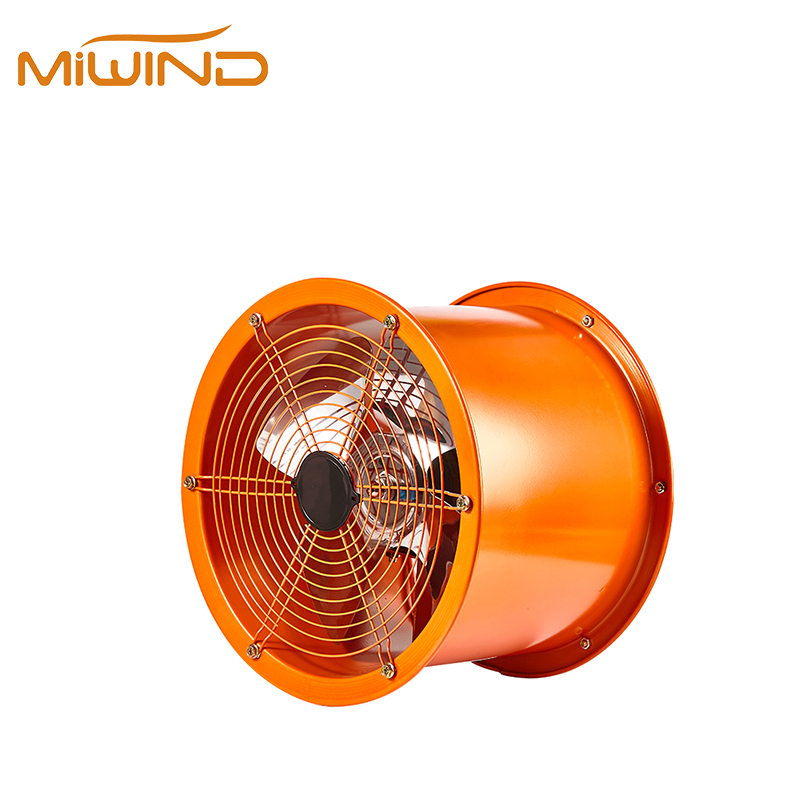
Ventilating fans are critical infrastructure components in large facilities, responsible for maintaining air quality, controlling temperature, and ensuring worker safety. The performance of ventilating fans directly impacts operational efficiency, energy costs, and environmental conditions within industrial spaces, warehouses, manufacturing plants, and commercial buildings. Understanding the factors that influence ventilating fans performance is essential for facility managers who want to optimize airflow, reduce energy consumption, and extend equipment lifespan.
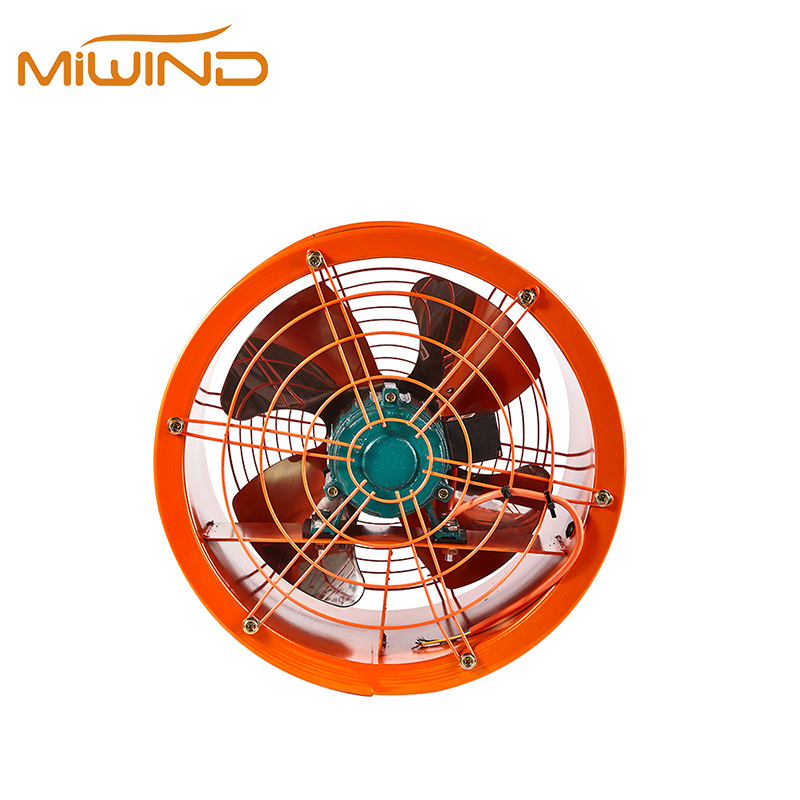
Multiple interconnected factors determine how effectively ventilating fans operate in large facilities. These factors range from initial design specifications and installation quality to ongoing maintenance practices and environmental conditions. By examining each element that affects ventilating fans performance, facility operators can make informed decisions about equipment selection, placement, and maintenance schedules that directly contribute to optimal airflow and system reliability.
Design and Engineering Specifications
Fan Blade Configuration and Motor Power
The design of ventilating fans fundamentally determines their baseline performance capacity. Fan blade size, shape, and pitch angle directly affect the volume of air moved and the pressure generated. Ventilating fans with improperly sized blades relative to motor power will either underperform or operate inefficiently, consuming excess energy without delivering proportional airflow. Motor power rating must match the intended application, with oversized motors wasting energy and undersized motors creating bottlenecks in air circulation.
Centrifugal and axial ventilating fans each offer different performance characteristics suited to specific facility types. Centrifugal ventilating fans excel in applications requiring high-pressure output and ability to handle dusty air, while axial ventilating fans provide efficient operation in applications prioritizing high-volume, low-pressure airflow. The selection between these ventilating fans types must align with the facility's specific ventilation requirements and ductwork configuration to ensure optimal performance outcomes.
Airflow Path Design and Duct Integration
Ductwork design and integration significantly influence ventilating fans performance in large facilities. Poorly designed ductwork creates excessive resistance, forcing ventilating fans to work harder while delivering less effective air circulation. Sharp bends, inconsistent diameter transitions, and blockages in the ventilation pathway increase system resistance and reduce the actual airflow delivered by ventilating fans, regardless of their rated capacity.
Intake and exhaust port design also impacts ventilating fans performance. Restrictive intake areas create negative pressure conditions that reduce fan efficiency, while poorly positioned exhaust outlets allow recirculation of air, negating the benefits of ventilating fans operation. Proper sizing of intake screens, exhaust louvers, and transition sections ensures that ventilating fans can operate at or near their rated performance specifications.
Installation and Environmental Factors
Mounting Position and Facility Layout
The physical positioning of ventilating fans within a large facility directly affects airflow distribution and system effectiveness. Ventilating fans installed too close to walls or obstacles experience reduced intake efficiency, as airflow cannot approach the intake uniformly. In large facilities, ventilating fans placement should consider ceiling height, distance from potential obstructions, and the facility layout to ensure unobstructed air pathways that allow ventilating fans to draw air naturally.
Vertical spacing between multiple ventilating fans in a facility influences their collective performance. When ventilating fans are positioned too close together, they create competing airflow patterns and reduced efficiency for each unit. Proper spacing and strategic positioning of ventilating fans throughout a large facility ensure even air distribution and prevent dead zones where air stagnates and humidity or temperature control becomes compromised.
Temperature and Air Density Variations
Environmental temperature significantly impacts ventilating fans performance because air density changes with temperature variations. Cold, dense air requires ventilating fans to work harder than warm, less dense air to achieve equivalent volumetric airflow. In large facilities with temperature gradients, ventilating fans positioned in cooler zones may deliver lower performance than units in warmer areas, even if mechanically identical.
Humidity levels and air moisture content also affect ventilating fans performance through air density and fouling potential. High humidity can reduce air density and affect fan blade efficiency, while moisture combined with dust creates sticky deposits on ventilating fans blades, reducing airflow capacity over time. Large facilities in humid climates experience more rapid performance degradation of ventilating fans unless maintenance protocols address moisture-related buildup.
Maintenance and Operational Conditions
Dust Accumulation and Blade Cleaning
One of the most significant factors affecting ventilating fans performance in large facilities is dust and debris accumulation. Dust deposits on fan blades alter aerodynamic characteristics and increase weight, forcing ventilating fans to work harder while delivering less airflow. In industrial facilities generating significant dust or particulates, ventilating fans performance can degrade by twenty to forty percent within months if regular cleaning is not implemented.
The type of filtration upstream of ventilating fans directly influences maintenance frequency and performance degradation rate. Facilities using intake filters or air cleaners experience slower performance decline in their ventilating fans because particles are removed before reaching fan blades. Conversely, unfiltered systems allow direct particle exposure to ventilating fans, accelerating performance loss and requiring more frequent cleaning to maintain baseline ventilating fans effectiveness.
Motor Bearing Condition and Lubrication
Bearing condition is fundamental to ventilating fans performance and longevity. Worn bearings create friction and vibration, reducing the efficiency of ventilating fans and limiting their ability to reach designed airflow specifications. Regular lubrication of ventilating fans bearings reduces friction losses and maintains smooth operation, directly supporting consistent performance across the equipment lifecycle.
Improper lubrication or inadequate maintenance intervals cause bearing degradation that compounds over time. As ventilating fans bearings wear, mechanical losses increase incrementally, requiring progressively higher motor power to maintain the same airflow. This phenomenon means that aging ventilating fans consume more energy while delivering less performance than newer units, ultimately making replacement more cost-effective than continued operation of severely degraded ventilating fans.
FAQ
How does facility size influence the required ventilating fans capacity?
Larger facilities require ventilating fans systems sized to handle total facility volume and occupancy requirements. The relationship is not strictly linear because air stratification and circulation patterns in large facilities mean that oversizing ventilating fans beyond facility volume requirements does not guarantee proportional improvement in air quality. Proper ventilating fans sizing considers air changes per hour targets, occupant density, heat load generation, and moisture production to determine appropriate fan capacity for each specific large facility application.
What role does ductwork design play in ventilating fans performance outcomes?
Ductwork design is one of the most critical determinants of actual ventilating fans performance delivered to the facility. Even premium ventilating fans cannot overcome the limitations imposed by poorly designed ductwork with excessive resistance. Proper ductwork sizing, smooth transitions, minimal bends, and strategic outlet placement ensure that ventilating fans operate efficiently and deliver the rated airflow specifications throughout the facility. Ductwork evaluation should be part of any ventilating fans performance optimization assessment.
How frequently should ventilating fans maintenance be performed to sustain performance?
Maintenance frequency for ventilating fans depends on facility conditions, dust generation, and specific equipment specifications. Industrial facilities with moderate dust generation typically benefit from monthly ventilating fans blade inspection and cleaning, while high-dust environments may require weekly maintenance. Regular maintenance schedules preserve ventilating fans performance by preventing dust accumulation, ensuring proper lubrication, and identifying bearing wear before catastrophic failure occurs. Documentation of ventilating fans maintenance activities helps facility managers track performance trends and plan proactive replacements before efficiency drops below acceptable thresholds.