 EN
EN

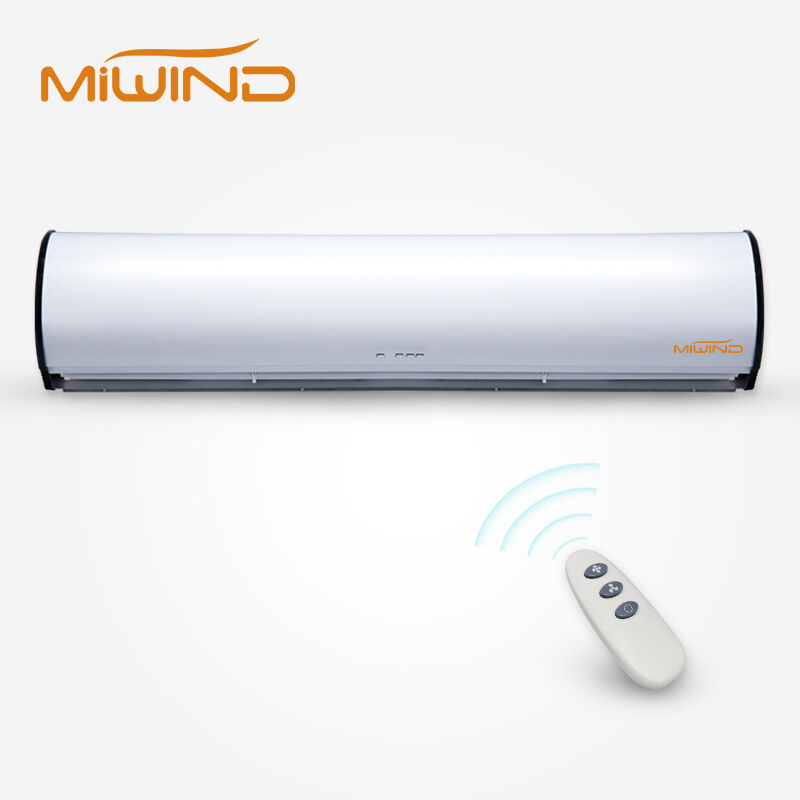
Modern HVAC strategies have evolved significantly to address energy efficiency demands and indoor environmental quality requirements. Air curtain systems have emerged as a critical component in contemporary HVAC integration plans, serving as intelligent barriers that maintain controlled environments while allowing seamless traffic flow. The integration of air curtain technology into comprehensive HVAC strategies represents a sophisticated approach to building management that balances operational efficiency with occupant comfort and environmental sustainability.
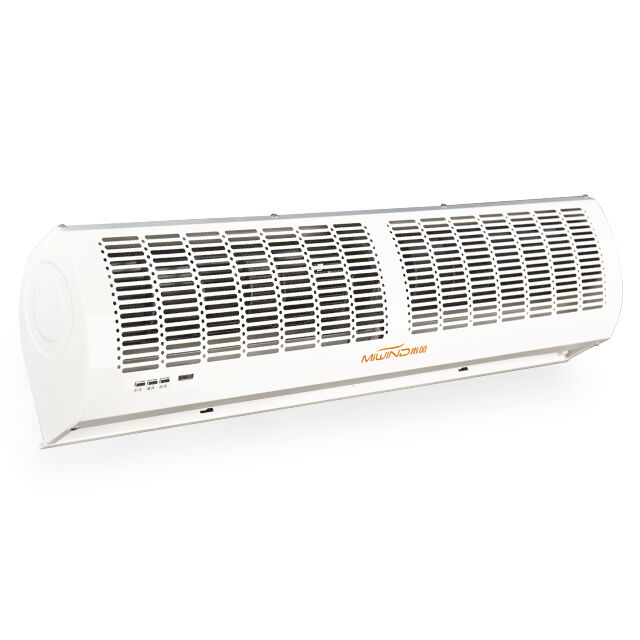
The integration process involves strategic coordination between air curtain placement, HVAC system design, and building automation controls to create unified climate management solutions. Professional engineers now consider air curtain systems as essential elements in their HVAC blueprints, particularly for facilities requiring frequent door access while maintaining strict temperature and air quality standards. This holistic approach ensures that air curtain installations complement rather than compete with primary HVAC equipment, resulting in enhanced overall system performance and reduced energy consumption.
Integration Planning and System Compatibility
HVAC Load Calculations with Air Curtain Considerations
Integrating air curtain systems into modern HVAC strategies begins with comprehensive load calculations that account for the thermal protection provided by these devices. Engineers must recalculate heating and cooling loads when air curtain systems are included in the design, as these units significantly reduce infiltration losses and thermal bridging at doorway openings. The reduced load requirements often allow for downsizing of primary HVAC equipment, resulting in substantial capital cost savings and improved energy efficiency ratios.
The calculation process involves analyzing door usage patterns, ambient temperature differentials, and wind pressure coefficients to determine the effective thermal barrier performance of the air curtain installation. Modern building energy modeling software now includes air curtain parameters, enabling precise prediction of energy savings and system interactions. This analytical approach ensures that the integrated HVAC strategy maximizes the thermal benefits while maintaining proper air circulation and comfort conditions throughout the facility.
Control System Integration Architecture
Contemporary air curtain integration relies heavily on sophisticated building automation systems that coordinate operation between air curtain units and primary HVAC equipment. The control architecture typically involves connecting air curtain systems to the central building management system through standardized communication protocols such as BACnet or Modbus. This integration enables real-time coordination where air curtain activation automatically triggers adjustments in nearby HVAC zones to optimize energy consumption and maintain consistent environmental conditions.
Advanced integration strategies include occupancy-based control sequences where air curtain systems respond to door sensor inputs, pedestrian traffic patterns, and zone temperature variations. The control logic can adjust air curtain fan speeds, direction, and heating elements based on outdoor weather conditions and indoor comfort requirements. This intelligent coordination ensures that the air curtain system operates as an integral component of the overall HVAC strategy rather than as an independent device.
Zoning Strategies and Airflow Management
Thermal Zone Boundary Establishment
Air curtain systems play a crucial role in establishing and maintaining thermal zone boundaries within modern HVAC design strategies. These devices create invisible barriers that effectively separate different climate zones without physical partitions, allowing for more flexible space utilization while maintaining energy efficiency. The integration process involves careful analysis of airflow patterns to ensure that air curtain discharge complements rather than disrupts the primary HVAC distribution system.
Professional HVAC designers utilize computational fluid dynamics modeling to optimize air curtain placement and discharge angles relative to existing ductwork and air distribution patterns. The goal is to create seamless thermal transitions that prevent cross-contamination between zones while maintaining proper air circulation for occupant comfort. This approach is particularly valuable in mixed-use facilities where different areas require distinct environmental conditions.
Pressure Relationship Management
Successful air curtain integration requires careful management of building pressure relationships to prevent unwanted airflow patterns that could compromise system performance. The HVAC strategy must account for how air curtain discharge interacts with building pressurization systems, exhaust fan operations, and natural ventilation openings. Engineers develop pressure maps that show how air curtain systems will affect overall building airflow dynamics and adjust supply and return air quantities accordingly.
The integration process often involves installing pressure monitoring systems that provide real-time feedback to building automation controls, enabling dynamic adjustments to maintain optimal pressure differentials across air curtain protected openings. This approach ensures that the air curtain system maintains its effectiveness while preventing issues such as door slamming, uncomfortable drafts, or compromised containment performance.
Energy Optimization and Performance Monitoring
Demand-Based Operation Scheduling
Modern HVAC strategies incorporate demand-based operation scheduling for air curtain systems to maximize energy savings while maintaining performance standards. The integration approach involves analyzing facility usage patterns, occupancy schedules, and seasonal variations to develop optimal operating sequences. Air curtain systems are programmed to operate at varying intensities based on actual thermal loads, door activity levels, and environmental conditions rather than running at constant outputs.
Advanced scheduling algorithms consider factors such as outdoor temperature, wind conditions, and internal heat loads to automatically adjust air curtain operation parameters. During periods of minimal thermal differential, systems may operate in low-energy modes or cycle off entirely when doors remain closed for extended periods. This intelligent approach can reduce air curtain energy consumption by thirty to fifty percent while maintaining full protection when needed.
Performance Analytics and Optimization
The integration of air curtain systems into modern HVAC strategies includes comprehensive performance monitoring and analytics capabilities that provide ongoing optimization opportunities. Building management systems collect data on air curtain energy consumption, operating hours, and effectiveness metrics, correlating this information with overall HVAC performance indicators. This data-driven approach enables facility managers to identify optimization opportunities and validate energy savings projections.
Performance analytics also include thermal imaging and airflow measurement protocols that verify air curtain effectiveness over time. Regular monitoring ensures that the integrated system continues to perform as designed and identifies maintenance requirements before they impact efficiency. The analytics platform can generate automated reports showing energy savings, carbon footprint reduction, and return on investment metrics for the integrated air curtain HVAC strategy.
Installation Coordination and Commissioning
Sequential Installation Planning
Integrating air curtain systems into modern HVAC strategies requires careful coordination of installation sequences to avoid conflicts between different system components. The installation plan must account for structural modifications, electrical connections, and control system integration while minimizing disruption to existing HVAC operations. Professional project managers develop detailed schedules that coordinate air curtain installation with ductwork modifications, control panel upgrades, and system commissioning activities.
The coordination process includes reviewing architectural drawings, mechanical plans, and electrical schematics to identify potential interference points and optimize installation efficiency. Air curtain mounting requirements must be verified against ceiling plenum space, structural loading capabilities, and clearance requirements for maintenance access. This comprehensive planning approach ensures that the integrated system installation proceeds smoothly and achieves design performance standards.
System Commissioning and Performance Verification
The commissioning process for integrated air curtain HVAC systems involves comprehensive testing protocols that verify proper operation under various operating conditions. Commissioning agents conduct airflow measurements, temperature differential testing, and control sequence verification to ensure that the air curtain system operates effectively within the overall HVAC strategy. The testing process includes simulation of different door usage patterns, varying outdoor conditions, and emergency operating scenarios.
Performance verification also includes energy consumption testing under actual operating conditions to validate projected savings and identify any optimization opportunities. The commissioning report documents system performance baselines and provides ongoing maintenance recommendations to preserve integration effectiveness. This thorough approach ensures that the completed installation delivers the expected benefits throughout its operational life.
FAQ
What factors determine air curtain sizing for HVAC integration?
Air curtain sizing for HVAC integration depends on door opening dimensions, expected temperature differential, local wind conditions, and traffic volume. Engineers calculate the required airflow velocity and discharge area based on thermal load analysis and infiltration prevention requirements. The sizing must also consider interaction with existing HVAC airflow patterns to avoid creating turbulence or compromising system performance.
How do air curtain systems affect overall HVAC energy consumption?
Properly integrated air curtain systems typically reduce overall HVAC energy consumption by fifteen to thirty percent through reduced infiltration loads and improved thermal zone control. The devices prevent conditioned air loss while blocking unconditioned air entry, allowing primary HVAC equipment to operate more efficiently. Energy savings are most significant in facilities with frequent door usage and substantial temperature differentials between indoor and outdoor environments.
What maintenance requirements exist for integrated air curtain HVAC systems?
Integrated air curtain systems require regular filter replacement, fan motor lubrication, and heating element inspection as part of routine HVAC maintenance protocols. Control system calibration and airflow verification should be performed annually to ensure optimal integration performance. The maintenance schedule should coordinate with primary HVAC system servicing to maximize efficiency and minimize operational disruption.
Can air curtain systems be retrofitted into existing HVAC installations?
Air curtain systems can be successfully retrofitted into existing HVAC installations with proper engineering analysis and system modifications. The retrofit process requires evaluating existing control systems, electrical capacity, and structural support requirements. Integration may involve upgrading building automation systems and adjusting HVAC zone controls to accommodate the air curtain operation, but the energy savings often justify the retrofit investment within two to four years.