 EN
EN

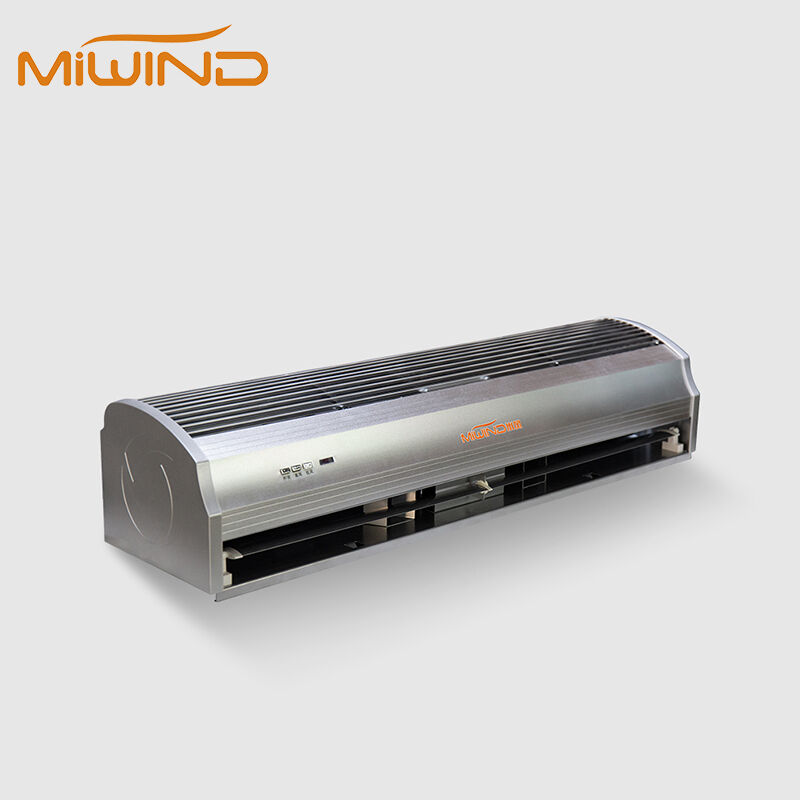
The rapid expansion of air curtain installations across warehouse and retail facilities reflects a fundamental shift in how businesses approach environmental control, energy efficiency, and operational productivity. This surge stems from mounting pressure to reduce operational costs while maintaining optimal indoor conditions for both products and personnel. Air curtain technology has evolved from a niche solution to an essential component of modern facility management, driven by increasingly sophisticated understanding of airflow dynamics and energy conservation principles.
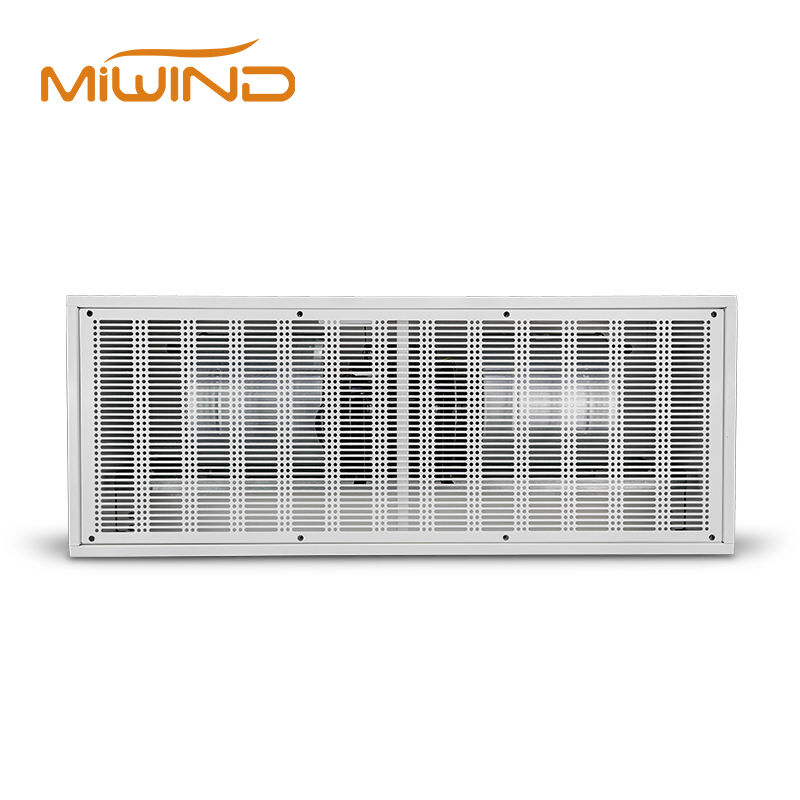
The compelling business case for air curtain adoption extends beyond simple energy savings to encompass inventory protection, employee comfort, pest control, and regulatory compliance. Warehouse operators and retail managers increasingly recognize that strategic air curtain deployment can address multiple operational challenges simultaneously while delivering measurable returns on investment. This convergence of factors has created a perfect storm of demand that continues to accelerate across diverse commercial and industrial sectors.
Economic Drivers Behind Air Curtain Growth
Rising Energy Costs and Efficiency Mandates
Escalating energy expenses have forced facility managers to scrutinize every aspect of their HVAC operations, making air curtain installations increasingly attractive as a cost-reduction strategy. Modern air curtain systems can reduce heating and cooling losses by up to 80% at open doorways, translating to substantial monthly savings on utility bills. These savings become particularly significant in large warehouse facilities where dock doors remain open for extended periods during loading and unloading operations.
Government energy efficiency standards and green building certification requirements have further accelerated air curtain adoption rates. Many jurisdictions now mandate specific energy performance targets for commercial buildings, and air curtain installations often represent one of the most cost-effective pathways to compliance. The technology directly supports LEED certification goals and other sustainability frameworks that influence corporate real estate decisions and public sector procurement policies.
Return on Investment Calculations
Financial analysis consistently demonstrates that air curtain installations typically pay for themselves within 12 to 24 months through energy savings alone. This rapid payback period becomes even more attractive when factoring in additional benefits such as reduced product spoilage, improved employee productivity, and lower maintenance costs for HVAC equipment. Warehouse operators report that air curtain systems reduce the workload on primary heating and cooling systems, extending equipment lifespan and reducing service requirements.
The economics become particularly compelling in refrigerated warehouse environments where maintaining temperature integrity is critical. A single air curtain installation at a cooler entrance can prevent thousands of dollars in monthly energy waste while ensuring consistent temperature control for temperature-sensitive inventory. These savings multiply across facilities with multiple access points, creating substantial cumulative benefits that justify significant capital investments.
Operational Benefits Driving Adoption
Temperature and Climate Control
Air curtain technology provides precise environmental separation without the operational limitations of physical barriers, allowing facilities to maintain distinct climate zones while preserving efficient traffic flow. This capability has become increasingly valuable as warehouse operations expand into multi-temperature environments and retail spaces incorporate diverse climate requirements for different product categories. The ability to maintain temperature differentials of 20 degrees or more across a single doorway opening has revolutionized facility design flexibility.
Modern air curtain systems incorporate variable speed controls and temperature sensors that automatically adjust performance based on ambient conditions and traffic patterns. This intelligent operation ensures optimal energy efficiency while maintaining consistent environmental protection throughout varying operational demands. The technology eliminates the thermal shock experienced by personnel moving between climate zones, improving workplace comfort and reducing health-related concerns in extreme temperature differential scenarios.
Inventory Protection and Quality Preservation
Product protection represents a major driver for air curtain adoption, particularly in facilities handling temperature-sensitive goods, pharmaceuticals, or food products. Air curtain installations create effective barriers against moisture intrusion, dust contamination, and temperature fluctuations that can compromise product quality and shelf life. This protection extends beyond immediate environmental control to include prevention of condensation formation that can damage packaging and create slip hazards in work areas.
The technology proves especially valuable in facilities requiring strict contamination control protocols, where traditional door systems may compromise sterile environments or create bottlenecks in workflow processes. Air curtain systems maintain environmental integrity while allowing continuous access for equipment and personnel, supporting efficient operations in pharmaceutical distribution centers, food processing facilities, and medical supply warehouses. The ability to meet regulatory requirements while maintaining operational efficiency has made air curtain installations essential infrastructure in these specialized environments.
Technological Advancements Enabling Widespread Adoption
Improved Efficiency and Performance
Recent technological developments have dramatically improved air curtain efficiency ratings while reducing installation complexity and maintenance requirements. Advanced blade designs and motor technologies now deliver superior airflow control with significantly lower power consumption compared to earlier generations. These improvements have expanded the viable application range for air curtain systems, making them economically attractive for smaller facilities and lower-volume operations previously excluded from consideration.
Integration capabilities with building automation systems have enhanced the appeal of air curtain installations by enabling sophisticated control strategies and performance monitoring. Modern units can interface with occupancy sensors, door position switches, and climate control systems to optimize operation based on real-time conditions. This connectivity allows facility managers to track energy savings, monitor system performance, and identify optimization opportunities through detailed operational analytics.
Installation Flexibility and Customization
Manufacturing innovations have produced air curtain solutions suitable for virtually any doorway configuration, from standard personnel doors to massive warehouse dock openings exceeding 30 feet in width. Modular designs allow systems to be configured precisely to match specific opening dimensions and performance requirements without extensive custom engineering. This standardization has reduced installation costs and lead times while improving system reliability and service support availability.
The development of specialized air curtain variants for unique applications has further expanded market adoption. Heated air curtain models provide additional warming capability for cold storage applications, while high-velocity units offer enhanced performance for extremely challenging environmental conditions. These specialized solutions address specific operational requirements that previously limited air curtain viability in certain facility types and geographic regions.
Industry-Specific Applications Driving Growth
Warehouse and Distribution Center Requirements
The explosive growth of e-commerce and just-in-time delivery models has intensified operational demands on warehouse facilities, making air curtain installations increasingly critical for maintaining efficiency while controlling costs. Modern distribution centers operate with minimal inventory buffers and cannot afford environmental control failures that might compromise product quality or create operational delays. Air curtain systems provide the reliability and performance consistency required to support these demanding operational models.
Automation trends in warehouse operations have created new requirements for environmental control systems that can accommodate robotic equipment and automated guided vehicles while maintaining climate separation. Air curtain technology naturally adapts to these operational patterns without requiring complex integration protocols or creating interference with automated systems. The absence of physical barriers eliminates collision risks and maintenance complications associated with traditional door systems in highly automated facilities.
Retail Environment Considerations
Retail facilities face unique challenges in balancing customer comfort, energy efficiency, and operational flexibility that make air curtain installations particularly valuable. The technology enables retailers to maintain welcoming entrance environments while controlling energy costs and protecting interior climate conditions. This capability has become essential as retail spaces incorporate diverse zones requiring different environmental conditions, from refrigerated product areas to comfortable shopping environments.
The aesthetic considerations of retail environments have driven development of visually discrete air curtain solutions that provide effective environmental control without compromising architectural design goals. Modern retail air curtain systems integrate seamlessly with ceiling designs and lighting systems while delivering professional-grade performance. This design evolution has eliminated previous barriers to air curtain adoption in customer-facing retail environments where appearance considerations traditionally took precedence over operational efficiency.
Future Market Trends and Growth Projections
Regulatory and Sustainability Influences
Increasing environmental regulations and corporate sustainability commitments continue to drive air curtain adoption as organizations seek proven technologies to reduce their carbon footprint. The measurable energy savings and emissions reductions achievable through strategic air curtain deployment align perfectly with corporate environmental goals and regulatory compliance requirements. These trends suggest continued strong growth in air curtain installations as environmental accountability becomes increasingly important for business operations.
Government incentive programs and utility rebates for energy efficiency improvements have created additional financial motivation for air curtain installations. Many regions offer substantial rebates for proven energy conservation technologies, effectively reducing the initial investment required for air curtain systems. These incentive programs, combined with rapidly improving technology performance, have created extremely favorable conditions for continued market expansion across diverse facility types and geographic regions.
Technology Integration and Smart Building Evolution
The evolution toward intelligent building systems and Internet of Things integration is creating new opportunities for air curtain technology to deliver enhanced value through sophisticated control strategies and predictive maintenance capabilities. Advanced air curtain systems now incorporate sensors and connectivity that enable remote monitoring, performance optimization, and integration with facility-wide energy management systems. This technological convergence positions air curtain installations as key components of comprehensive smart building strategies.
Artificial intelligence and machine learning applications are beginning to influence air curtain control algorithms, enabling systems to learn from operational patterns and automatically optimize performance based on historical data and predictive models. These developments promise to further improve energy efficiency and operational effectiveness while reducing the complexity of system management for facility operators. The ongoing advancement of these technologies suggests that air curtain installations will become even more attractive as essential infrastructure components for modern commercial and industrial facilities.
FAQ
What makes air curtains more cost-effective than traditional door systems for warehouses?
Air curtains eliminate the mechanical complexity and maintenance requirements of traditional door systems while providing superior environmental control and traffic flow efficiency. They reduce energy costs by up to 80% at open doorways, require minimal maintenance, and never break down from impact damage or frequent use. The combination of energy savings, reduced maintenance costs, and improved operational efficiency typically delivers payback periods of 12-24 months.
How do air curtains maintain effectiveness in high-traffic retail environments?
Modern air curtain systems use advanced airflow designs and variable speed controls that automatically adjust to traffic patterns and environmental conditions. The technology creates an invisible barrier that maintains separation effectiveness regardless of pedestrian traffic volume, unlike physical barriers that may be propped open or damaged. Integration with occupancy sensors and door position switches enables intelligent operation that optimizes performance while minimizing energy consumption during varying traffic conditions.
What size air curtain installation is required for typical warehouse dock doors?
Warehouse dock door applications typically require air curtain systems ranging from 8 to 12 feet in width with airflow capacities matched to the specific environmental differential and traffic patterns. The sizing depends on factors including door height, temperature difference between zones, local climate conditions, and frequency of use. Professional sizing calculations consider these variables to ensure adequate coverage and performance while optimizing energy efficiency and installation costs.
Can air curtain systems operate effectively in refrigerated warehouse environments?
Specialized air curtain systems designed for refrigerated applications can maintain effective environmental separation even with extreme temperature differentials exceeding 50 degrees Fahrenheit. These systems often incorporate heated air options and enhanced airflow velocities to overcome the increased thermal driving forces present in cold storage environments. The technology proves particularly valuable in refrigerated warehouses where maintaining temperature integrity is critical for product quality and regulatory compliance.
Table of Contents
- Economic Drivers Behind Air Curtain Growth
- Operational Benefits Driving Adoption
- Technological Advancements Enabling Widespread Adoption
- Industry-Specific Applications Driving Growth
- Future Market Trends and Growth Projections
-
FAQ
- What makes air curtains more cost-effective than traditional door systems for warehouses?
- How do air curtains maintain effectiveness in high-traffic retail environments?
- What size air curtain installation is required for typical warehouse dock doors?
- Can air curtain systems operate effectively in refrigerated warehouse environments?