 EN
EN

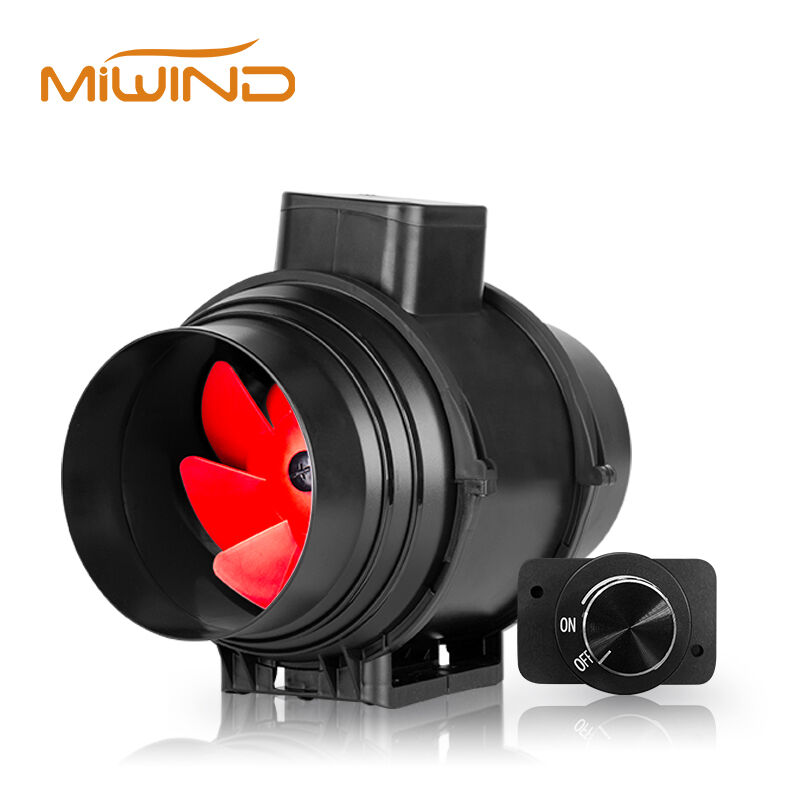
Commercial buildings across every major sector — from office towers and retail centers to hospitals and warehouses — are seeing a significant rise in duct fan installations. This trend is not accidental. It reflects a convergence of tightening ventilation standards, rising energy costs, and a growing awareness that indoor air quality directly affects occupant health, productivity, and regulatory compliance. Facility managers and building engineers are increasingly turning to the duct fan as a practical, cost-effective solution to meet these demands without undertaking full HVAC overhauls.
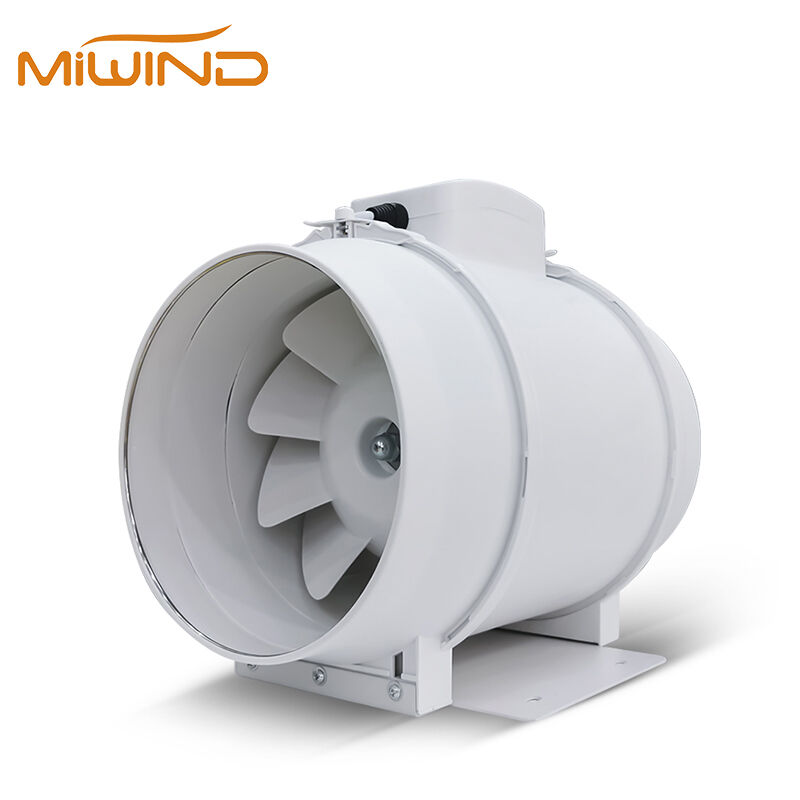
Understanding why duct fan adoption is accelerating requires looking beyond the device itself. The duct fan sits at the intersection of mechanical engineering, building performance, and occupant wellbeing. As commercial real estate operators face pressure from tenants, regulators, and sustainability benchmarks, the duct fan has emerged as a versatile tool that addresses multiple challenges simultaneously. This article examines the key drivers behind this expansion and explains why the duct fan has become a standard component in modern commercial ventilation design.
Evolving Ventilation Standards and Regulatory Pressure
Stricter Indoor Air Quality Requirements
Regulatory frameworks governing commercial building ventilation have grown considerably more demanding over the past decade. Standards from bodies such as ASHRAE and local building codes now specify minimum air change rates, fresh air delivery volumes, and pollutant concentration thresholds that older passive or low-capacity systems simply cannot meet. The duct fan provides a direct mechanical means of achieving and maintaining these airflow targets, making it an essential component in compliance-driven retrofits and new construction alike.
In densely occupied spaces such as open-plan offices, conference rooms, and commercial kitchens, the gap between required and delivered airflow can be substantial. A properly sized duct fan installed within the existing ductwork can close that gap without requiring new duct runs or major structural modifications. This makes the duct fan particularly attractive for building owners who need to demonstrate compliance quickly and cost-effectively.
Post-pandemic building codes in many jurisdictions have also introduced enhanced requirements for pathogen dilution and exhaust rates in shared spaces. The duct fan, with its ability to boost airflow in targeted zones, has become a go-to solution for meeting these updated requirements in buildings that were designed under older standards.
Green Building Certification Demands
Commercial buildings pursuing LEED, BREEAM, or WELL certification must demonstrate measurable improvements in ventilation performance and energy efficiency. The duct fan contributes to both objectives. By enabling precise airflow control in specific zones, it reduces the need to run central air handling units at maximum capacity across the entire building, which lowers energy consumption and supports certification point accumulation.
Certification bodies increasingly require documented evidence of air quality performance, and the duct fan integrates well with building management systems that log and report airflow data. This compatibility with smart building infrastructure makes the duct fan a strategically sound investment for property owners pursuing or maintaining green credentials.
Energy Efficiency and Operational Cost Reduction
Targeted Airflow Without System-Wide Energy Penalties
One of the most compelling reasons for the expansion of duct fan installations is the ability to deliver ventilation exactly where it is needed without forcing the entire HVAC system to compensate. In large commercial buildings, certain zones — server rooms, basement storage areas, interior meeting rooms, or food preparation areas — consistently require more airflow than the central system can efficiently provide. Installing a duct fan in the relevant duct branch resolves the deficiency locally, avoiding the energy waste of boosting system-wide pressure.
Modern duct fan units are available with EC (electronically commutated) motors that offer variable speed control and significantly lower power consumption compared to older AC motor designs. This means the duct fan can modulate its output in response to occupancy sensors, CO2 monitors, or time-of-day schedules, delivering ventilation only at the intensity required. The result is measurable energy savings that facility managers can report against sustainability targets.
For multi-tenant commercial buildings, the ability to control ventilation at the zone level also simplifies energy cost allocation. Each tenant's ventilation consumption can be metered and billed more accurately when duct fan units serve individual zones, reducing disputes and improving operational transparency.
Reduced Maintenance Burden Compared to Full System Upgrades
Replacing or upgrading a central air handling unit in a commercial building is a major capital project involving significant downtime, structural work, and coordination across multiple building systems. A duct fan installation, by contrast, is typically completed within a single working day per unit, with minimal disruption to building occupants. This operational simplicity is a strong driver of adoption, particularly in occupied buildings where downtime is costly.
Maintenance requirements for a well-specified duct fan are also modest. Most units are designed for in-line installation with accessible motor and impeller assemblies, allowing maintenance teams to service or replace components without dismantling ductwork. This reduces lifecycle maintenance costs and extends the effective service life of the ventilation system as a whole.
Changing Commercial Space Configurations
Open-Plan and Flexible Workspace Trends
The shift toward open-plan offices, co-working environments, and flexible commercial layouts has created new ventilation challenges that traditional fixed-zone HVAC designs were not built to handle. When interior walls are removed or reconfigured, airflow patterns change in ways that can leave some areas under-ventilated while others receive excess supply. The duct fan offers a practical corrective measure, allowing building engineers to rebalance airflow distribution without redesigning the entire duct network.
In co-working spaces where occupancy fluctuates dramatically throughout the day, a duct fan paired with demand-controlled ventilation sensors can respond dynamically to actual conditions. When a large group occupies a previously empty area, the duct fan ramps up to deliver the required fresh air volume. When the space empties, it scales back. This responsiveness is difficult to achieve with static central systems and represents a genuine operational advantage.
Retail environments undergoing renovation or repurposing face similar challenges. A duct fan installation allows landlords and tenants to adapt ventilation to new floor plans quickly, supporting faster fit-out timelines and reducing the risk of air quality complaints from staff or customers.
High-Density and Mixed-Use Commercial Developments
Mixed-use commercial developments that combine retail, office, food service, and sometimes residential functions in a single structure present complex ventilation requirements. Different zones have different air quality needs, exhaust requirements, and operating hours. A duct fan installed in each functional zone allows the building's ventilation strategy to be tailored to the specific demands of each use type without requiring entirely separate HVAC systems.
Commercial kitchens within mixed-use buildings are a particularly strong use case. The high heat, moisture, and odor loads generated by food preparation require powerful, reliable exhaust capacity. A duct fan sized for kitchen exhaust duty can handle these demands while integrating with the building's broader ventilation infrastructure, avoiding the need for standalone exhaust systems that are difficult to manage and maintain.
Technological Improvements Driving Adoption
Advances in Motor and Control Technology
The duct fan of today is a substantially more capable device than its predecessors from even ten years ago. EC motor technology has transformed the efficiency profile of the duct fan, delivering the same or greater airflow at a fraction of the energy consumption of older shaded-pole or PSC motor designs. This efficiency gain directly improves the return on investment calculation for building owners and makes the duct fan a credible component in energy-conscious building strategies.
Control integration has also advanced significantly. Modern duct fan units can communicate with building automation systems via BACnet, Modbus, or 0-10V analog interfaces, enabling centralized monitoring and control. Facility managers can view real-time performance data, set operating schedules, and receive fault alerts from a single dashboard. This level of integration was previously available only in high-end central plant equipment and represents a meaningful upgrade in operational capability for commercial building teams.
Noise reduction engineering has improved as well. Earlier generations of duct fan products were often criticized for generating intrusive noise levels that made them unsuitable for occupied commercial spaces. Current designs incorporate aerodynamically optimized impellers, vibration-isolated motor mounts, and acoustic lining options that bring noise output to levels acceptable in offices, healthcare facilities, and hospitality environments.
Broader Product Range and Application Flexibility
The commercial duct fan market now offers a wide range of configurations — circular and rectangular cross-sections, mixed-flow and axial impeller types, single and twin-motor arrangements — that allow engineers to specify the right unit for almost any duct geometry or performance requirement. This breadth of choice has removed many of the application barriers that previously limited duct fan use to straightforward installations.
Fire-rated duct fan variants designed for smoke extract and pressurization duties have expanded the application scope further. Buildings that require compliant smoke control systems can now incorporate duct fan technology into their life safety infrastructure, subject to appropriate certification and installation standards. This capability has opened new market segments that were previously served only by large, expensive dedicated smoke extract fans.
Health, Wellbeing, and Tenant Expectations
Indoor Air Quality as a Tenant Retention Factor
Commercial tenants — particularly in the office and healthcare sectors — have become significantly more attentive to indoor air quality as a factor in lease decisions and renewals. Building owners who can demonstrate superior ventilation performance, supported by monitoring data and certified equipment, have a tangible competitive advantage in attracting and retaining quality tenants. The duct fan, as a visible and measurable component of the ventilation system, contributes directly to this narrative.
Workplace wellness programs increasingly include air quality metrics as key performance indicators. Employers who lease commercial space are asking landlords for evidence of ventilation adequacy, and in some cases making it a contractual requirement. A building equipped with properly specified duct fan units in all critical zones is better positioned to provide this evidence than one relying solely on aging central systems.
Post-Pandemic Ventilation Awareness
The COVID-19 pandemic fundamentally changed how building operators, tenants, and regulators think about indoor air quality. The role of ventilation in reducing airborne transmission risk became widely understood, and the demand for demonstrably adequate fresh air delivery in commercial spaces increased sharply. The duct fan, as a practical and rapidly deployable means of boosting ventilation in specific areas, saw accelerated adoption during and after the pandemic period.
This heightened awareness has not faded. Building occupants continue to expect higher ventilation standards than were considered acceptable before 2020, and commercial building operators have responded by investing in ventilation upgrades that include duct fan installations as a core element. The pandemic effectively compressed a decade of gradual adoption into a much shorter timeframe, and the resulting installations have demonstrated the value of the duct fan clearly enough to sustain ongoing demand.
FAQ
What is the primary function of a duct fan in a commercial building?
A duct fan is installed within an existing duct system to boost or maintain airflow in areas where the central HVAC system cannot deliver adequate ventilation on its own. It supplements the main system by providing targeted airflow to specific zones, improving air quality and thermal comfort without requiring a full system replacement.
How does a duct fan contribute to energy savings in commercial buildings?
By delivering ventilation precisely where it is needed, a duct fan eliminates the need to increase system-wide pressure or run central air handling units at higher capacity. Modern duct fan units with EC motors also consume significantly less power than older designs and can modulate output based on occupancy or air quality sensors, reducing energy use during low-demand periods.
Can a duct fan be integrated with a building automation system?
Yes. Most commercial-grade duct fan products support standard building automation protocols such as BACnet, Modbus, or 0-10V analog control. This allows the duct fan to be monitored and controlled from a central building management platform, enabling scheduled operation, real-time performance tracking, and automated fault detection.
Is a duct fan suitable for noise-sensitive commercial environments such as offices or healthcare facilities?
Modern duct fan designs have addressed earlier noise concerns through aerodynamically optimized impellers, vibration isolation, and acoustic lining options. When correctly specified and installed, a duct fan can operate at noise levels that are fully acceptable in offices, clinics, and other noise-sensitive commercial environments. Proper duct sizing and installation practice are important factors in achieving low noise performance.
Table of Contents
- Evolving Ventilation Standards and Regulatory Pressure
- Energy Efficiency and Operational Cost Reduction
- Changing Commercial Space Configurations
- Technological Improvements Driving Adoption
- Health, Wellbeing, and Tenant Expectations
-
FAQ
- What is the primary function of a duct fan in a commercial building?
- How does a duct fan contribute to energy savings in commercial buildings?
- Can a duct fan be integrated with a building automation system?
- Is a duct fan suitable for noise-sensitive commercial environments such as offices or healthcare facilities?