 EN


Ventilating fans represent a critical component in contemporary industrial and commercial airflow systems. The integration of ventilating fans into modern airflow systems requires careful planning, strategic placement, and technical precision to achieve optimal performance. Understanding how ventilating fans work within larger system architectures ensures efficient air circulation, improved indoor air quality, and reduced energy consumption across diverse operational environments.
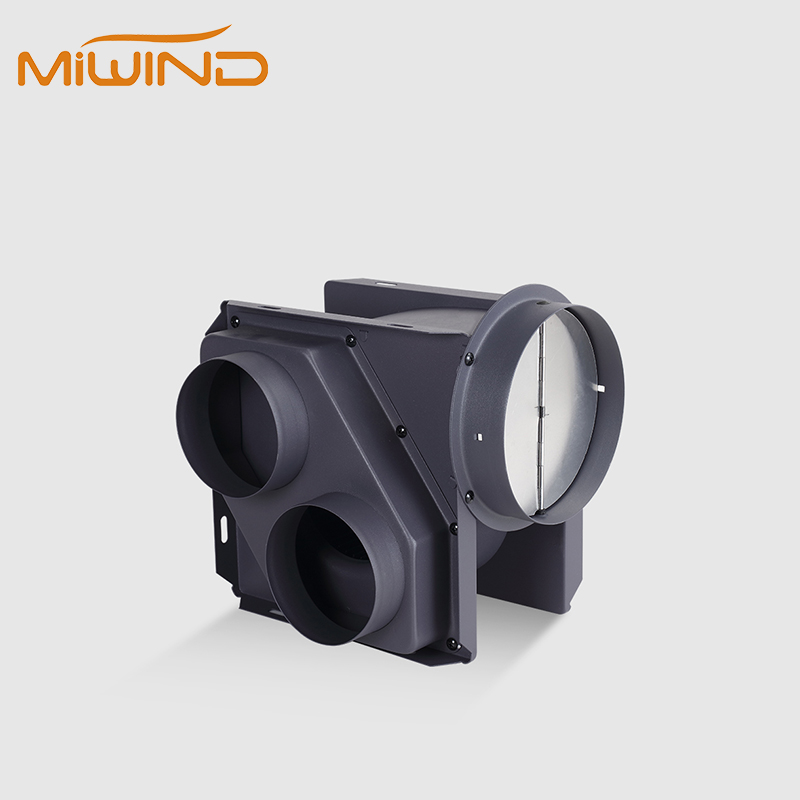
Modern airflow systems depend on the seamless integration of ventilating fans to maintain pressure differentials, manage humidity levels, and facilitate fresh air exchange. The role of ventilating fans extends beyond simple air movement; they function as coordinated elements within interconnected ductwork, filtration systems, and control mechanisms. Proper integration of ventilating fans maximizes system efficiency while minimizing operational noise and vibration that can disrupt building occupants.
System Architecture and Ventilating Fans Placement
Understanding Integration Points
Ventilating fans must be strategically positioned within the broader airflow system to achieve balanced air distribution. The placement of ventilating fans determines how effectively they move conditioned air through ductwork and into occupied spaces. In modern facilities, ventilating fans are typically integrated at multiple points: main supply plenums, return air pathways, exhaust stacks, and localized zones requiring enhanced circulation. This multi-point deployment of ventilating fans ensures comprehensive coverage while maintaining system redundancy and operational reliability.
Ductwork Integration Fundamentals
Ductwork forms the circulatory system through which ventilating fans distribute air throughout facilities. Proper sizing and routing of ductwork directly impacts the performance of ventilating fans, as undersized ducts create excessive pressure drops that force ventilating fans to work harder and consume more energy. Modern designs integrate ventilating fans with variable-speed ductwork sections that allow technicians to adjust airflow rates dynamically. The configuration of ventilating fans within ductwork networks requires careful attention to velocity profiles, pressure equilibrium, and noise attenuation characteristics.
Installation Methods and Technical Configuration
Mounting Approaches for Ventilating Fans
Installation of ventilating fans follows several established methodologies depending on system type and operational requirements. Inline mounting of ventilating fans places them directly within ductwork runs, minimizing space requirements and reducing pressure losses. Roof-mounted ventilating fans handle exhaust functions and provide direct weatherproofing benefits. Wall-mounted ventilating fans serve localized zones and smaller facilities where centralized systems would prove inefficient. Each mounting configuration for ventilating fans demands specific vibration isolation, flexible connections, and sealed transitions to prevent air leakage and noise transmission to adjacent spaces.
Electrical Integration and Control Systems
Modern ventilating fans operate within sophisticated control ecosystems that optimize performance across varying load conditions. Integration of ventilating fans with variable frequency drives allows proportional speed adjustment based on air quality sensors, occupancy detectors, and demand signals. Ventilating fans equipped with advanced controllers can communicate with building management systems, providing real-time monitoring of airflow rates, energy consumption, and maintenance requirements. This intelligent integration of ventilating fans reduces unnecessary operation while ensuring adequate air exchange for health and comfort standards.
Optimization and Performance Enhancement Strategies
Balancing Airflow Distribution
Achieving balanced airflow throughout a facility requires careful calibration of ventilating fans operating in series and parallel configurations. Ventilating fans working in parallel demand specific damper adjustments to prevent flow short-circuiting where air bypasses critical zones. Commissioning of ventilating fans involves detailed testing with calibrated instruments to verify that each zone receives its designed airflow volume. Dynamic balancing of ventilating fans ensures that no individual fan overtaxes its bearings or motor while others operate below capacity. This optimization process significantly extends service life of ventilating fans and improves overall system reliability.
Energy Efficiency and Noise Reduction
Integration of ventilating fans into modern systems increasingly emphasizes energy conservation and acoustic performance. High-efficiency ventilating fans with aerodynamic blade designs reduce power consumption by up to thirty percent compared to legacy models. Sound-dampening materials, flexible connections, and variable-speed operation of ventilating fans minimize acoustic disturbance in sensitive environments. The combination of efficient ventilating fans with demand-controlled ventilation strategies creates systems that deliver required air quality while maintaining comfortable sound levels and predictable energy costs.
FAQ
What factors determine the proper size of ventilating fans for a given airflow system?
Ventilating fans sizing depends on total system airflow requirements measured in cubic feet per minute, static pressure resistance created by ductwork and filters, installation altitude, and air temperature conditions. Undersized ventilating fans fail to meet performance targets while oversized ventilating fans waste energy and create excessive noise. Professional calculation of ventilating fans capacity requires integrating these factors through standardized engineering methods to select models matching exact operational demands of your facility.
How often should ventilating fans be maintained within an integrated airflow system?
Maintenance schedules for ventilating fans depend on operating hours, environmental contamination levels, and filter efficiency. Most facilities benefit from quarterly inspections of ventilating fans, including bearing lubrication, vibration assessment, and filter replacement or cleaning. Preventive maintenance of ventilating fans extends service life significantly and prevents unexpected system failures that compromise indoor air quality and occupant comfort throughout your facility.
Can existing airflow systems be retrofitted with new ventilating fans?
Many existing airflow systems can accommodate upgraded ventilating fans with careful assessment of ductwork condition, motor mounting provisions, and electrical infrastructure. Retrofitting with modern ventilating fans often improves efficiency and reduces operating costs compared to original equipment. Professional evaluation ensures that replacement ventilating fans integrate properly with existing ductwork, controls, and building systems while meeting current performance and safety standards.