 EN

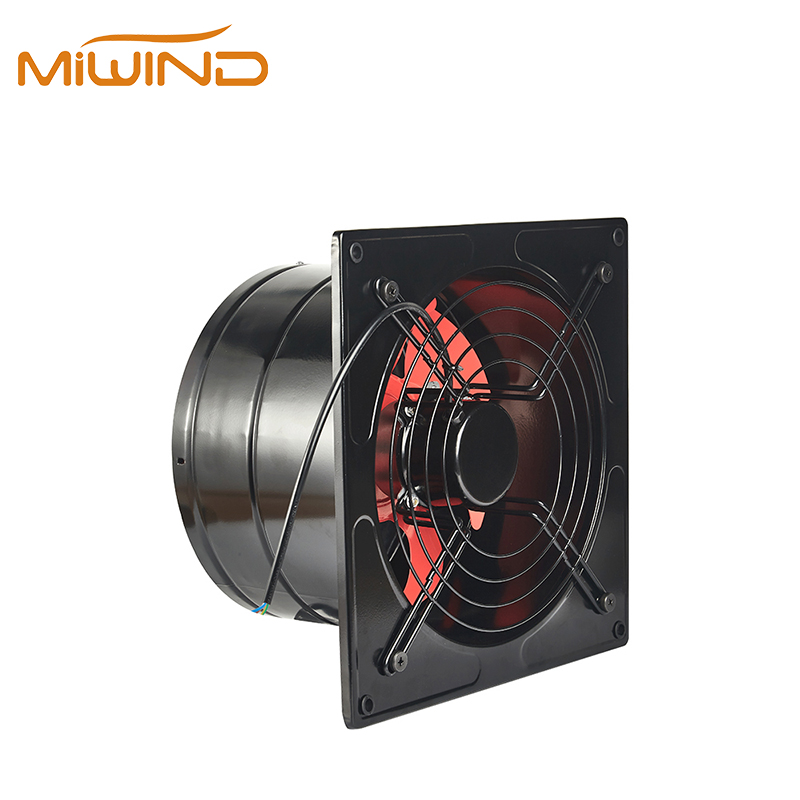
Engineers specify ventilating fans in ventilation projects because they are the backbone of effective indoor air management. The choice to include ventilating fans goes far beyond simple comfort; it addresses fundamental requirements for occupant health, regulatory compliance, equipment longevity, and operational efficiency. Understanding why ventilating fans are so critical helps facility managers, building owners, and design professionals make informed decisions about ventilation infrastructure investments.
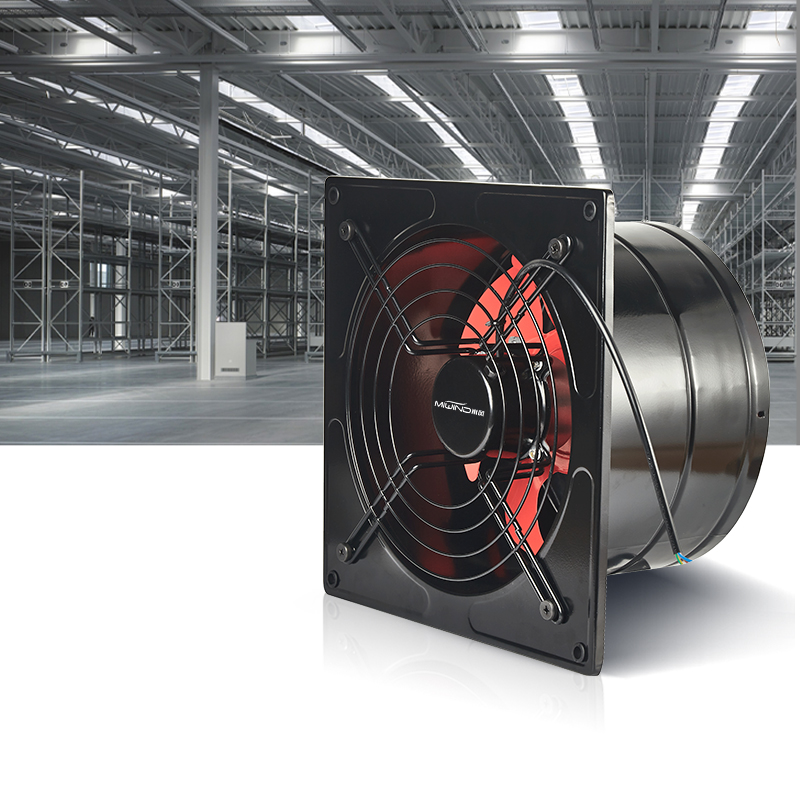
Modern buildings face constant pressure to balance indoor environmental quality with energy efficiency and cost control. Ventilating fans serve as the primary mechanism for removing contaminated air, excess moisture, odors, and harmful gases while introducing fresh outdoor air. Without properly specified ventilating fans, buildings accumulate indoor air pollutants that trigger health issues, accelerate material degradation, and create liability exposure. This is why engineers invest significant effort in calculating ventilation rates, selecting appropriate ventilating fans, and designing duct systems that deliver reliable performance throughout the building lifecycle.
Air Quality and Health Compliance Requirements
Indoor Air Pollutant Removal
Ventilating fans are engineered to extract interior air contaminants that accumulate during normal occupancy. Human activities generate carbon dioxide, volatile organic compounds, biological particles, and other pollutants that degrade air quality within hours if ventilation is inadequate. Ventilating fans establish continuous air exchange cycles that prevent pollutant concentration from reaching harmful levels. Engineers calculate specific air changes per hour based on building type, occupancy density, and activity intensity. Without properly sized ventilating fans, indoor air quality rapidly deteriorates, leading to increased respiratory issues, reduced cognitive function, and elevated absenteeism among building occupants.
Regulatory Compliance and Standards
Building codes, health standards, and occupancy regulations mandate minimum ventilation rates that directly drive ventilating fans specifications. Standards such as ASHRAE 62.1 establish required outdoor air volumes for different building types and uses. Engineers must specify ventilating fans with sufficient capacity to meet or exceed these regulated minimums. Failure to specify adequate ventilating fans exposes building owners to code violations, failed inspections, fines, and potential litigation. Regulatory agencies and certification bodies increasingly scrutinize ventilation adequacy, making proper ventilating fans specification a non-negotiable element of compliant building design.
Moisture Control and Equipment Protection
Condensation Prevention and Structural Integrity
Excess humidity inside buildings accumulates rapidly in kitchens, bathrooms, laundries, and other moisture-generating spaces. Ventilating fans remove this moisture-laden air before condensation forms on building surfaces. Without effective ventilating fans, persistent condensation promotes mold growth, wood rot, insulation degradation, and structural damage. Engineers specify ventilating fans with adequate extraction rates to maintain interior humidity within safe ranges, typically 30 to 50 percent. This preventive approach through ventilating fans dramatically extends the service life of building materials, mechanical systems, and interior finishes while avoiding expensive remediation costs associated with moisture damage.
HVAC System Longevity
Ventilating fans work in concert with heating and cooling equipment to manage both air quality and thermal comfort. Properly specified ventilating fans prevent excessive moisture from entering central heating and cooling systems, which can corrode coils, promote microbial growth, and reduce efficiency. Engineers design ventilating fans to maintain balanced air pressure relationships that minimize stress on ductwork and reduce energy consumption. When ventilating fans operate at properly calculated flow rates, they protect downstream equipment from accelerated wear. This strategic integration of ventilating fans into the overall mechanical system design extends equipment lifespan and reduces maintenance expenditures significantly over the building lifecycle.
Energy Efficiency and Operational Performance
Load Management and System Optimization
Engineers specify ventilating fans to balance ventilation necessity with energy consumption control. Modern ventilating fans are sized based on actual occupancy patterns, activity schedules, and seasonal conditions rather than maximum theoretical loads. Demand-controlled ventilation systems integrate ventilating fans with sensors that adjust fan speed based on real-time indoor air quality measurements, reducing unnecessary energy waste during low-occupancy periods. Engineers select ventilating fans with efficient motor designs, optimized blade geometry, and variable speed capabilities to minimize operating costs. When ventilating fans are properly specified and integrated into smart building systems, they contribute to reduced energy consumption, lower utility bills, and improved sustainability performance metrics.
Noise and Vibration Control
Ventilating fans generate noise and vibration that must be carefully managed through proper selection and installation. Engineers specify ventilating fans with appropriate sound ratings, vibration isolation mounts, and ductwork design to maintain acceptable noise levels in occupied spaces. Inadequately specified ventilating fans create acoustic complaints, tenant dissatisfaction, and potential health effects from chronic noise exposure. Professional engineers evaluate fan speed, blade design, ductwork configuration, and vibration isolation requirements when specifying ventilating fans. This attention to acoustics during the specification phase prevents costly retrofits, renovation expenses, and occupant-related issues that emerge after building commissioning.
Frequently Asked Questions
What factors determine the size of ventilating fans engineers specify?
Engineers calculate ventilating fans size based on required air change rates, building volume, occupancy type, activity intensity, and outdoor air requirements defined by building codes. They also consider ductwork resistance, noise constraints, and energy efficiency targets. The final ventilating fans specification balances all these factors to achieve code compliance while optimizing operational performance and lifecycle costs.
How do ventilating fans improve indoor air quality in commercial buildings?
Ventilating fans continuously remove contaminated air containing pollutants, odors, carbon dioxide, and moisture while introducing filtered outdoor air. This continuous exchange prevents pollutant accumulation that would otherwise occur during normal building operation. Properly specified ventilating fans maintain indoor pollutant concentrations at levels that protect occupant health and cognitive function, directly supporting productivity and reducing illness-related absences.
Can ventilating fans be adjusted after installation to improve performance?
Ventilating fans specified with variable speed drives or multi-tap controls can be adjusted within design parameters, but major modifications typically require engineering review. If ventilating fans were initially undersized or misspecified, retrofitting larger units or adding supplementary fans may be necessary. Engineers recommend that ventilating fans specifications be thoroughly evaluated during design phases to avoid costly adjustments after system installation.