 EN
EN

Manufacturing plants face constant operational challenges that directly impact productivity, worker safety, and equipment longevity. One of the most overlooked yet critical solutions to these challenges is the proper implementation of an industrial fan system. An industrial fan serves as the backbone of effective ventilation and air circulation in large-scale manufacturing facilities, addressing multiple operational demands simultaneously. Without adequate industrial fan infrastructure, plants struggle with temperature control, air quality degradation, and inefficient heat dissipation from machinery. The question is not whether your manufacturing plant needs an industrial fan installation, but rather how quickly you can implement one to maximize your operational performance.
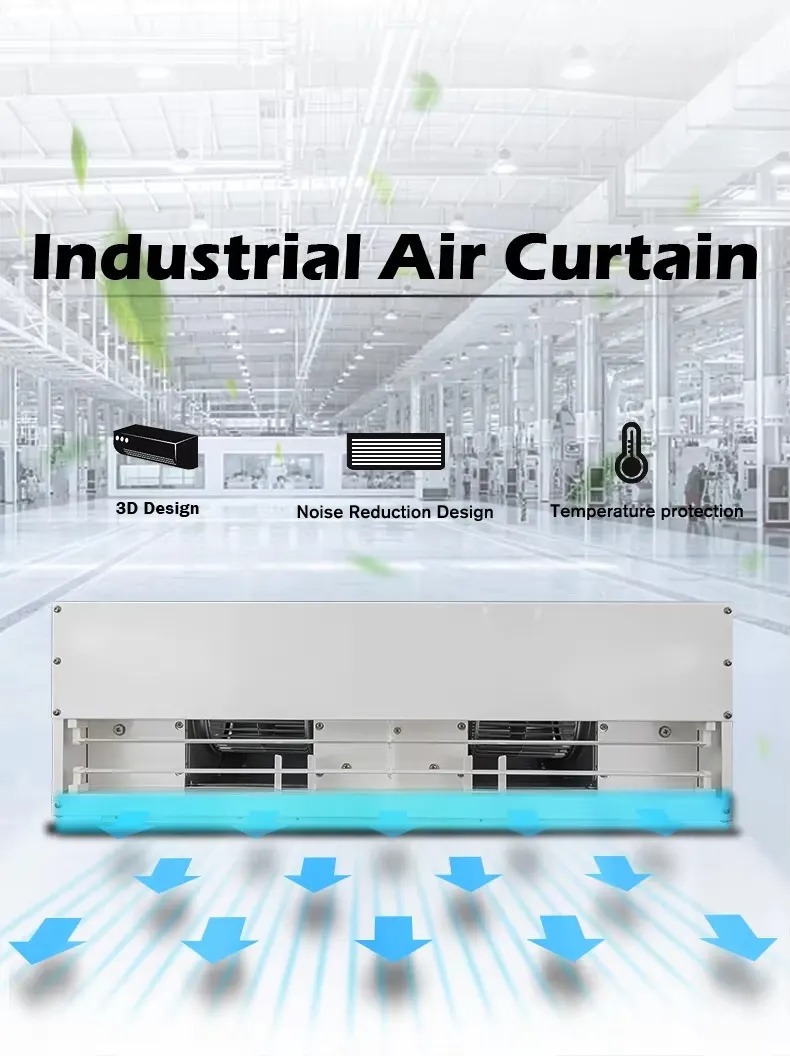
The decision to invest in a quality industrial fan system represents a strategic commitment to facility excellence. Modern manufacturing environments generate substantial heat from production equipment, compressors, furnaces, and high-speed machinery. An industrial fan installation effectively manages this thermal output, preventing equipment damage and creating safer working conditions for employees. Beyond temperature management, an industrial fan plays a vital role in removing contaminants, moisture, and harmful fumes from the production floor, ensuring compliance with occupational health regulations and protecting worker wellbeing.
Thermal Management and Equipment Protection
Heat Dissipation in Production Environments
Manufacturing operations generate enormous quantities of waste heat that must be efficiently managed. An industrial fan installation addresses this challenge by continuously circulating air throughout the facility, preventing localized hot spots that damage sensitive equipment. When heat accumulates around machinery, production efficiency declines and component failure rates increase dramatically. A strategically positioned industrial fan maintains optimal temperature ranges, extending equipment lifespan and reducing costly downtime. The investment in proper industrial fan infrastructure quickly pays for itself through reduced maintenance expenses and improved machine reliability.
Preventing Equipment Degradation
Electronic controls, hydraulic systems, and precision machinery all suffer when exposed to excessive heat. An industrial fan system creates stable thermal conditions that protect sensitive components from degradation. Many manufacturing plants experience unexpected equipment failures during peak production seasons when ambient temperatures rise. Implementing an industrial fan installation prevents these seasonal slowdowns by maintaining consistent environmental conditions year-round. Facility managers recognize that an industrial fan is not an optional upgrade but a fundamental requirement for maintaining production continuity and protecting substantial capital investments in manufacturing equipment.
Worker Safety and Occupational Health
Air Quality and Respiratory Protection
Manufacturing facilities release various airborne particles, chemical vapors, and dust that compromise worker health if not properly managed. An industrial fan installation provides essential ventilation by continuously exchanging stale indoor air with fresh outdoor air. This process dilutes harmful contaminants and reduces respiratory hazards for employees working on the production floor. Regulatory agencies mandate specific air exchange rates and quality standards that facilities cannot meet without adequate industrial fan capacity. A properly designed industrial fan system ensures compliance with OSHA standards and demonstrates management commitment to occupational safety, reducing workers' compensation claims and improving employee morale.
Humidity Control and Moisture Management
Excessive humidity in manufacturing facilities promotes mold growth, accelerates corrosion of equipment, and creates uncomfortable working conditions that reduce productivity. An industrial fan installation effectively removes moisture-laden air and replaces it with drier air, maintaining optimal humidity levels. This humidity control protects both workers and equipment while preventing damage to stored materials and finished products. Facilities in humid climates particularly benefit from robust industrial fan systems that prevent moisture accumulation. The performance advantages of proper industrial fan ventilation extend far beyond comfort, directly impacting product quality and reducing scrap rates caused by moisture-related defects.
Energy Efficiency and Operational Cost Reduction
Strategic Air Circulation Patterns
Modern industrial fan installations incorporate intelligent design principles that optimize air movement while minimizing energy consumption. Rather than indiscriminately cooling entire facilities, engineered industrial fan systems use variable speed drives and directional ducting to deliver conditioned air precisely where needed. This targeted approach reduces overall energy demand compared to traditional inefficient ventilation methods. Facility managers increasingly recognize that upgrading to high-efficiency industrial fan technology delivers rapid payback through reduced utility bills. An industrial fan installation with proper controls can reduce energy costs by fifteen to thirty percent while simultaneously improving operational performance metrics.
Maintenance Cost Reduction Through Prevention
Implementing an industrial fan system represents preventive investment that avoids expensive emergency repairs and production interruptions. Facilities without proper industrial fan ventilation experience accelerated equipment wear, frequent breakdowns, and reactive maintenance cycles that consume substantial financial resources. An industrial fan installation extends equipment service life by protecting components from thermal stress and environmental contamination. Predictable maintenance schedules replace crisis-driven repairs, allowing budget planning and scheduled downtime rather than unexpected shutdowns. The cumulative financial advantage of proper industrial fan infrastructure becomes obvious when comparing total cost of ownership between poorly ventilated and professionally designed facilities.
Productivity Enhancement and Production Optimization
Worker Comfort and Performance
Employee productivity declines significantly when working in hot, stuffy environments with poor air quality. An industrial fan installation creates pleasant working conditions that boost employee morale, reduce absenteeism, and improve output quality. Workers operating in temperature-controlled environments with fresh air circulating demonstrate higher concentration levels and fewer errors. Manufacturing facilities that invest in quality industrial fan systems report improved employee retention rates and reduced turnover costs. The psychological and physiological benefits of proper ventilation provided by an industrial fan contribute directly to competitive advantage in markets where labor availability is constrained.
Production Line Efficiency
Many manufacturing processes require specific environmental conditions for optimal output. An industrial fan installation enables precise temperature and humidity control essential for chemical processing, food manufacturing, electronics assembly, and other specialized industries. Without proper industrial fan infrastructure, production yields suffer from environmental variability. Consistent conditions created by engineered industrial fan systems ensure reliable product quality and minimize waste. Facilities implementing advanced industrial fan technology often achieve production rate increases and reduced scrap percentages that significantly exceed initial capital investment returns within the first operating year.
FAQ
What size industrial fan installation do I need for my manufacturing facility?
The appropriate industrial fan capacity depends on your facility's total volume, heat-generating equipment, occupancy levels, and process-specific requirements. Professional assessment calculates air exchange rates needed based on cubic footage and pollution sources. An undersized industrial fan fails to achieve performance objectives, while an oversized system wastes energy. Consulting with ventilation engineers ensures your industrial fan installation matches actual operational needs precisely. Most manufacturing facilities benefit from comprehensive audits that determine optimal industrial fan specifications before purchasing equipment.
How often should I maintain my industrial fan system?
Regular maintenance is essential for optimal industrial fan performance and longevity. Recommended maintenance intervals typically include monthly visual inspections, quarterly filter changes, and semi-annual professional servicing of bearings and mechanical components. An industrial fan operating under continuous duty requires more frequent attention than systems with intermittent operation. Preventive maintenance schedules for your industrial fan installation prevent sudden failures and extend equipment lifespan significantly. Documenting all maintenance activity ensures your industrial fan operates at peak efficiency and maintains warranty coverage.
Can an industrial fan installation improve my facility's sustainability profile?
Yes, modern industrial fan technology contributes substantially to environmental sustainability goals. Energy-efficient industrial fan systems reduce carbon footprint by minimizing electricity consumption while improving overall facility performance. Many advanced industrial fan installations incorporate variable frequency drives that adjust motor speed based on demand, eliminating waste. Upgrading aging ventilation to contemporary industrial fan infrastructure aligns with corporate sustainability commitments and often qualifies for energy efficiency rebates. Implementing an optimized industrial fan system demonstrates environmental responsibility while delivering measurable operational and financial benefits.