 EN

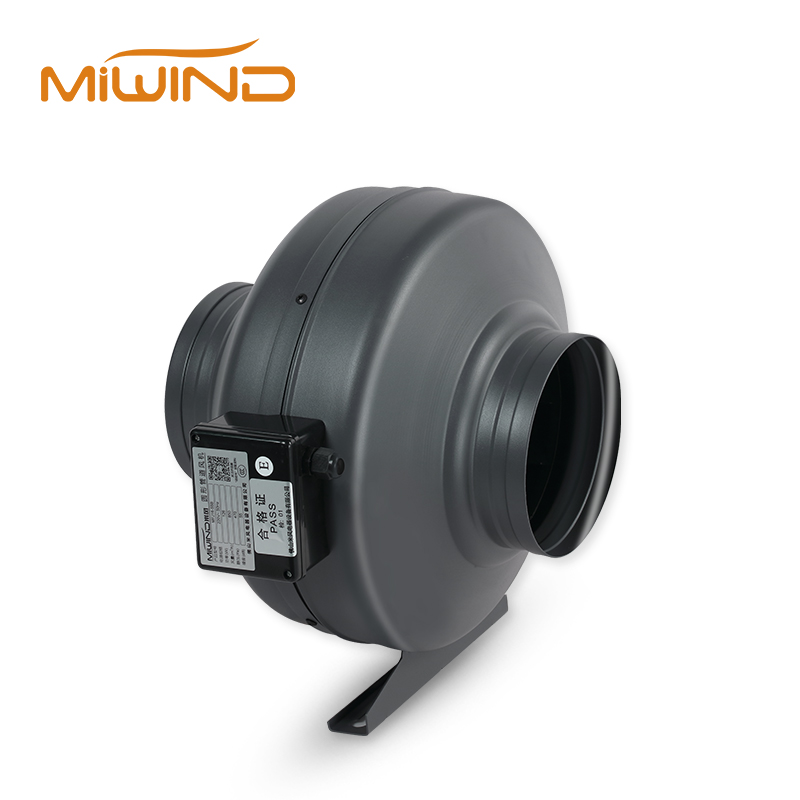
The industrial fan landscape is undergoing a fundamental transformation as manufacturers and facility operators face mounting pressure to reduce energy consumption while maintaining operational reliability. Modern facilities demand that every piece of equipment, including the industrial fan systems that condition air and manage thermal loads, perform at peak efficiency without compromising productivity. This shift reflects broader trends in industrial modernization, where energy costs directly impact profitability and environmental compliance becomes non-negotiable. Understanding how the industrial fan sector is adapting to these energy requirements provides valuable insight into the technological innovations reshaping manufacturing and facility management today.
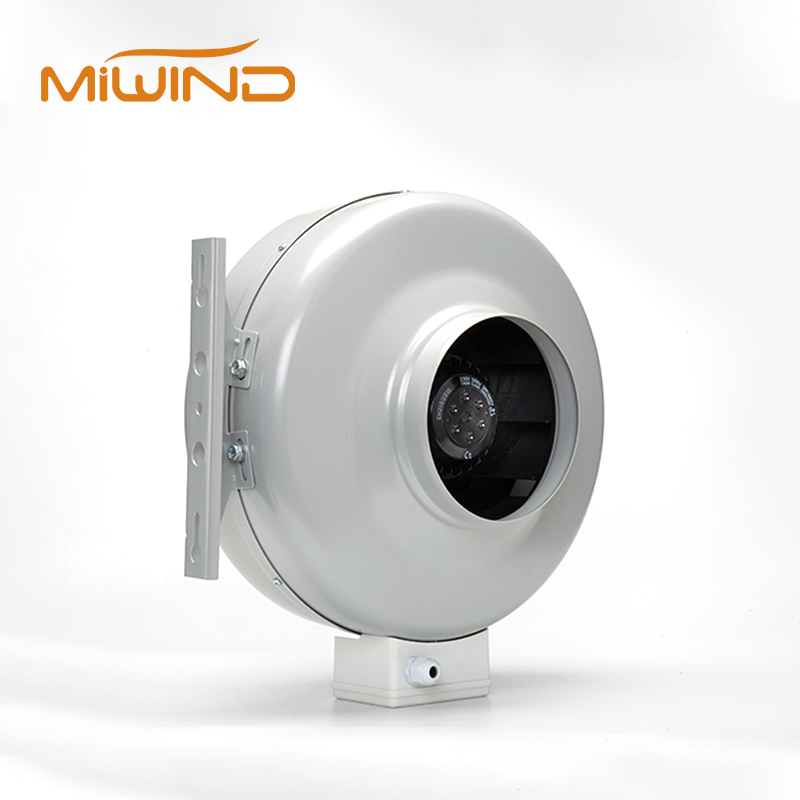
Today's industrial fan designs incorporate advanced aerodynamic engineering, variable speed drive integration, and smart control systems that were unimaginable just a decade ago. The industrial fan evolution addresses real-world challenges: excessive energy waste in legacy systems, difficulty in matching fan performance to variable load conditions, and the complexity of monitoring equipment health across distributed facilities. Progressive manufacturers are responding with solutions that blend mechanical innovation with digital intelligence, creating industrial fan systems capable of delivering substantial energy savings while improving operational visibility and predictive maintenance capabilities.
Aerodynamic Innovations in Industrial Fan Design
Blade Geometry and Material Advancement
Modern industrial fan blade design has moved far beyond traditional fixed-pitch configurations. Engineers now optimize industrial fan blade geometry using computational fluid dynamics to reduce turbulence, minimize recirculation patterns, and improve airflow efficiency across the entire operating range. The industrial fan sector increasingly employs advanced materials like reinforced polymers and aluminum alloys that reduce blade weight while maintaining structural integrity, allowing for higher rotational speeds and better efficiency metrics. These material innovations in the industrial fan industry directly translate to lower motor power requirements and reduced electricity consumption over extended service cycles.
Noise Reduction Through Design
Energy efficiency and noise control have become intertwined in modern industrial fan development. An industrial fan operating at lower speeds or with optimized blade spacing generates less noise while consuming fewer kilowatts, creating a dual benefit for facility operators. Advanced industrial fan designs now incorporate aeroacoustic principles that shape blade edges and stagger blade rows to minimize pressure fluctuations and the resulting noise generation. This represents a strategic shift in the industrial fan marketplace where a genuinely efficient industrial fan naturally proves quieter, improving workplace conditions while reducing energy bills simultaneously.
Variable Speed and Smart Control Integration
EC Motors and Drive Technology
One of the most significant transformations in industrial fan technology involves the adoption of electronically commutated motors and variable frequency drives that allow dynamic speed adjustment. An industrial fan equipped with such controls can match its output precisely to current facility demands rather than running continuously at full capacity. This represents a breakthrough in industrial fan efficiency because most traditional fixed-speed systems operate at partial load for significant portions of their duty cycle, wasting energy unnecessarily. Modern industrial fan systems with electronic controls can achieve energy savings of 40 to 60 percent compared to legacy constant-speed industrial fan installations serving identical applications.
Predictive Performance Optimization
Contemporary industrial fan systems now integrate sensors and connectivity features that feed real-time performance data to building management systems. An industrial fan connected to such networks continuously reports its operating parameters, allowing facility managers to optimize speed settings based on actual conditions rather than static schedules. This data-driven approach to industrial fan management identifies opportunities for further energy reduction that remain invisible in traditional facilities. The industrial fan becomes a responsive system rather than a static asset, automatically adjusting to changing seasonal conditions, occupancy patterns, and process requirements.
Integration with Facility Energy Management
System-Level Efficiency Considerations
Individual industrial fan performance represents only one component of broader facility energy optimization. Modern industrial fan designs increasingly incorporate ducting innovations, filtration improvements, and damping systems that reduce overall resistance through ventilation pathways. When an industrial fan operates against lower resistance, it consumes less energy while delivering equivalent airflow volumes. Progressive industrial fan manufacturers now collaborate with systems integrators to ensure their industrial fan equipment coordinates effectively with building automation systems, thermal storage, and waste heat recovery mechanisms that collectively minimize total facility energy consumption.
Compliance and Performance Standards
Evolving energy codes and efficiency regulations have accelerated industrial fan innovation across multiple markets. An industrial fan must now comply with increasingly stringent efficiency standards in Europe, North America, and Asia, driving manufacturers toward continuous improvement. These regulatory pressures have transformed the industrial fan market from one focused primarily on initial cost to one emphasizing total operating cost and environmental impact. Compliance requirements guarantee that even conservative facility operators benefit from industrial fan designs incorporating the latest energy-saving technologies, as regulatory minimums continuously ratchet upward.
FAQ
What makes a modern industrial fan more energy efficient than older designs?
Modern industrial fan systems improve efficiency through optimized blade aerodynamics, advanced materials, variable speed capabilities, and smart controls that match output to demand. Legacy industrial fan designs operated at constant speed regardless of actual facility needs, wasting substantial energy during partial-load conditions. Contemporary industrial fan technology adjusts performance dynamically using electronically commutated motors and building automation integration, reducing energy consumption while maintaining necessary airflow. The combination of mechanical improvements and digital controls creates an industrial fan that delivers equivalent results using 40 to 60 percent less electricity than comparable older models.
How do industrial fan systems monitor their own performance?
Advanced industrial fan installations now incorporate integrated sensors measuring parameters like motor current, airflow velocity, pressure differential, and vibration characteristics. This sensor data flows continuously to the industrial fan's control module and facility management systems, creating transparent visibility into operational status and efficiency trends. An industrial fan with this monitoring capability can automatically alert maintenance personnel to developing problems before failure occurs, while simultaneously identifying opportunities for performance optimization. The industrial fan essentially provides facility managers with actionable intelligence about system health and energy consumption that was previously unavailable without extensive manual testing.
Are industrial fan upgrades cost-effective for existing facilities?
Industrial fan replacement decisions depend on current equipment age, operating hours, energy costs in your region, and available capital. Facilities running older industrial fan systems continuously typically recover replacement investments within three to five years through energy savings alone, plus additional benefits from reduced maintenance. A modern industrial fan retrofit often qualifies for utility rebates and energy efficiency incentives that further improve financial returns. Even in regions with moderate energy costs, upgrading to an efficient industrial fan usually proves financially justified when considering equipment lifespan, operational reliability improvements, and the ability to meet increasingly stringent building codes requiring modern industrial fan technology.